|
|
His new HBO series explores the global trade in reptiles—and the filmmaker’s own complicated history with the story.
|
|
|
|
|
Voices and updates from the front lines of wildlife crime and exploitation of nature
|
|
|
|
|
Tiger King filmmaker Eric Goode’s new HBO series, Monsters of God, explores the dark, obsessive world of reptile smuggling, and the people—himself included—whose passion for the animals can fuel a global black market. (A24/Goode Films/HBO)
|
|
|
|
Inside Eric Goode’s reptile underworld
|
|
|
|
|
By Rene Ebersole
August 28, 2026
|
|
|
|
|
How does Eric Goode get such intimate access to the eccentric—even sometimes dangerous—characters in his films? That was the big question on my mind as I watched his new five-part series, Monsters of God, on HBO, about the dark, bizarre underworld of reptile smuggling from the 1970s to today.
There’s Mario Tabraue, the Miami cocaine kingpin who claimed he inspired Al Pacino’s Scarface and was sentenced to a hundred years on narcotics and racketeering charges, but served 12 for helping convict other drug traffickers. Prosecutors alleged that a member of his crew killed a federal informant and that Tabraue helped dispose of the dismembered, burned body. Then there’s Malaysian wildlife smuggler Anson Wong, the “Pablo Escobar of animal trafficking,” who once claimed he could sell any animal—even a panda.
There are also larger-than-life lawbreakers who starred in Goode’s Tiger King series: “Joe Exotic,” Joseph Maldonado-Passage, the flamboyant Oklahoma roadside zoo owner convicted of attempting to hire someone to murder his nemesis, Carole Baskin. And Chimp Crazy’s Tonya Haddix, the Missouri chimpanzee owner who became embroiled in a legal battle after falsely claiming 29-year-old Tonka had died of natural causes when she was actually hiding the chimp—alive—in her basement.
I asked Goode: How does he get such outrageous people to let him into their lives?
“Part of it is it takes one to know one,” he says. “Part of it is that I'm not a conventional journalist, so I'm kind of disarming. They don't really realize what's happening.”
That disarming approach has given Goode extraordinary access and a trove of material. His production team recorded more than 220 interviews—1,500 hours of footage—with everyone from reptile breeders and wildlife law enforcement officers to social media influencers and notorious trafficking kingpins. “It’s insane material that we’ve been collecting over 16 years,” says Jeremy McBride, an executive producer on the series. For McBride, all that footage serves a larger purpose: “We use this very niche reptile smuggling story to analyze how humans have exceeded their impact on this planet.”
|
|
|
|
|
Goode’s path to making Monsters is almost as eccentric as his characters. He caught what he calls “the fever”—a passion for collecting cold-blooded, scaly creatures—as a boy keeping pet turtles, snakes, and lizards in his bedroom in California in the 1960s and 70s. In time, his interests narrowed to reptiles with hard shells and no teeth. “I was a closeted turtle guy,” he says, describing how he continued to obsess over the animals even in the 1980s, when he was a fixture of New York City’s downtown nightlife, running elaborately themed nightclubs, restaurants, bars, and hotels crammed with celebrities.
Gradually, he realized that many of the turtles and tortoises he collected fanatically, including from some of the most notorious reptile dealers featured in Monsters, were disappearing in the wild—poached for the pet trade and traditional Chinese medicine and losing habitat to housing developments, strip malls, highways and agriculture. By the late 1990s, “I started realizing, Oh wow, you know, turtles and tortoises are really in trouble.” Of the roughly 300 species in the wild, about half were teetering on the brink of extinction.
“I didn’t want to be that guy who was just selfishly keeping these reptiles as a hobby,” Good says. Working with prominent Bronx Zoo herpetologist John Behler, in 2005 he founded the Turtle Conservancy, a nonprofit rescue and breeding center on 90 acres in Ojai, California. Today, the Turtle Conservancy, accredited by the Association of Zoos and Aquariums (AZA), houses more than 600 turtles representing 40 species, including some extinct in the wild. The organization also reports helping to preserve more than 70,000 acres of wildlife habitat around the globe.
Goode’s unique combination—conservationist, turtle collector, filmmaker, and longtime insider in the reptile community—gave him an entrée into the shadowy world. When he read investigative journalist Bryan Christy’s 2008 book The Lizard King, about a Florida father-and-son, Ray and Mike Van Nostrand’s reptile-smuggling business and the U.S. Fish and Wildlife Service operation to take it down, Goode became determined to turn it into a film series. He began filming in the summer of 2014, and work continued for more than a decade, even while Goode was making Tiger King and Chimp Crazy. “There were some subjects where we had to wait two or three years for them to agree to do it,” he says.
Miami drug kingpin Tabraue was particularly press-shy. But once he agreed to talk, Goode says, “we went from being so scared—am I ever going to get this interview with this guy?—to becoming so close with him that he was sharing things you would never tell anyone unless they were your most intimate friend,” including about his infidelities and drug use.
Goode thinks Tabraue and others came to see him as a “kindred spirit” who understands their world in a way a conventional journalist might not.
|
|
|
|
|
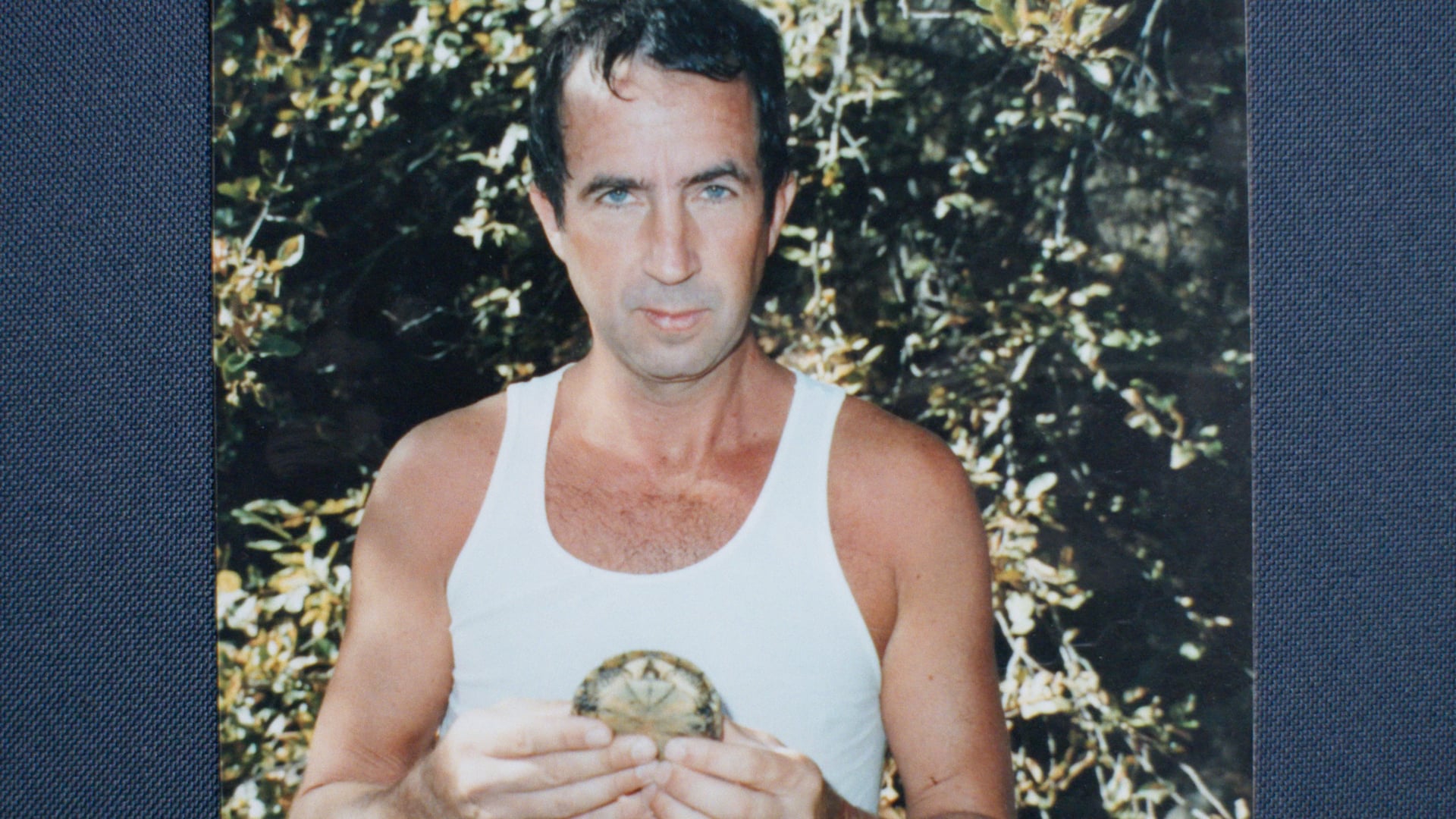
The empire of drug kingpin Mario Tabraue (above) crumbled when exotic reptile dealer Ray Van Nostrand, who was using his animal shipments as a front to help Tabraue smuggle cocaine, turned informant. (A24/Goode Films/HBO)
|
|
|
|
|
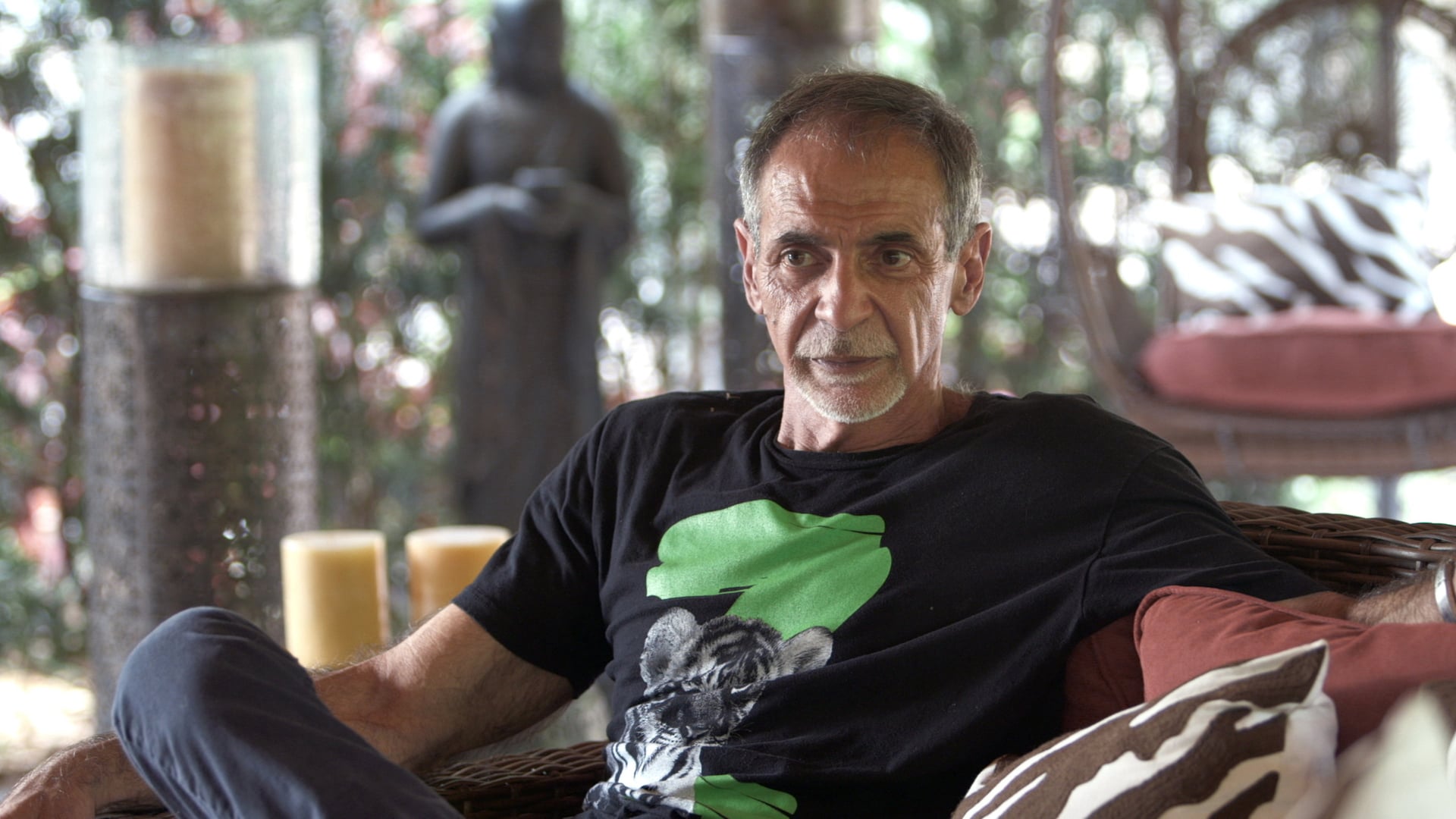
Malaysian wildlife smuggler Anson Wong was by far the most difficult to reach. Local people working on the production were afraid of him, Goode says, and reluctant even to call him to request an interview. But once Goode flew to Malaysia and arranged an in-person interview at Wong’s home in the mountains above Penang, the two found common ground. They were both reptile guys who knew species by their scientific names and had trading friends in common. “It became very seamless,” Goode says.
Getting scary folks to open up is one thing. Capturing the kind of unpredictable events that have made Goode’s documentaries so compelling is another. He knows how much of filmmaking comes down to good fortune. “We got lucky—as horrible as it is to say—that Joe wanted to kill Carole Baskin,” he says, and at the same time “that Tanya Haddix was going to kidnap a chimpanzee.” But that’s not a recipe for success, he adds. “Let’s say nothing happened while we were filming: We would have had nothing. This is a terrible way to make a living, a terrible way to make documentaries, because you could easily strike out.”
He has his regrets. With Tiger King, Goode wishes he’d done more to show the reality of tigers in the wild, including footage he shot in Nepal that didn’t make the final cut. He also believes the series was too soft on Joe Exotic. “There were things I regretted about how we portrayed Joe,” he says. He came off as “an empathetic character.” But getting to know Joe, Goode concluded, “he did horrible things to people's lives that indelibly messed up people, and that didn't fall into the show.”
|
|
|
|
|
Did a friend forward this newsletter to you?
|
|
|
|
|
|
|
|
|
Even some of Tiger King’s strongest critics acknowledge that the series helped build momentum for passage of the Big Cat Public Safety Act in 2022, which restricted private ownership and commercial exploitation of big cats. Goode believes Chimp Crazy similarly helped advance the conversation around captive primates and the 2025 introduction of new legislation, the Captive Primate Safety Act, to prohibit the private possession, sale, and breeding of nonhuman primates as pets. That bill is currently stalled in Congress. “We really strongly feel that primates do not make good pets,” Goode says. “They should not live solitary lives, and chimpanzees should not be locked up in little rooms or cages in people’s basements.”
With the reptile story, though, Goode says the goal is different. “This is not about being the animal police,” he says. “We’re not trying to create a prohibition or change laws about people having reptiles.” He wanted to tell an entertaining story revealing the underworld of the international reptile trade, including how major zoos have stoked demand for trafficked wildlife. “We show some of the skeletons of the AZA over the last half century,” he says, which was uncomfortable at times because Goode works closely with the zoo community.
He also acknowledges the danger of unintended consequences. “You hope at the end of the day that it doesn’t actually fuel the trade because people watch the show, they think, ‘Oh my God, I want to get this cool reptile.’”
For McBride, that risk is unavoidable—but perhaps productive. The goal, he says, isn’t simply to tell viewers what to think about reptiles or wildlife trafficking. It’s to make them consider their own place in the system. “Maybe watching this makes you think, ‘what about my choices?’” he says. ‘How am I impacting our natural resources in this ecosystem, this planet? How can I play a role in supporting that differently?’”
|
|
|
|
|
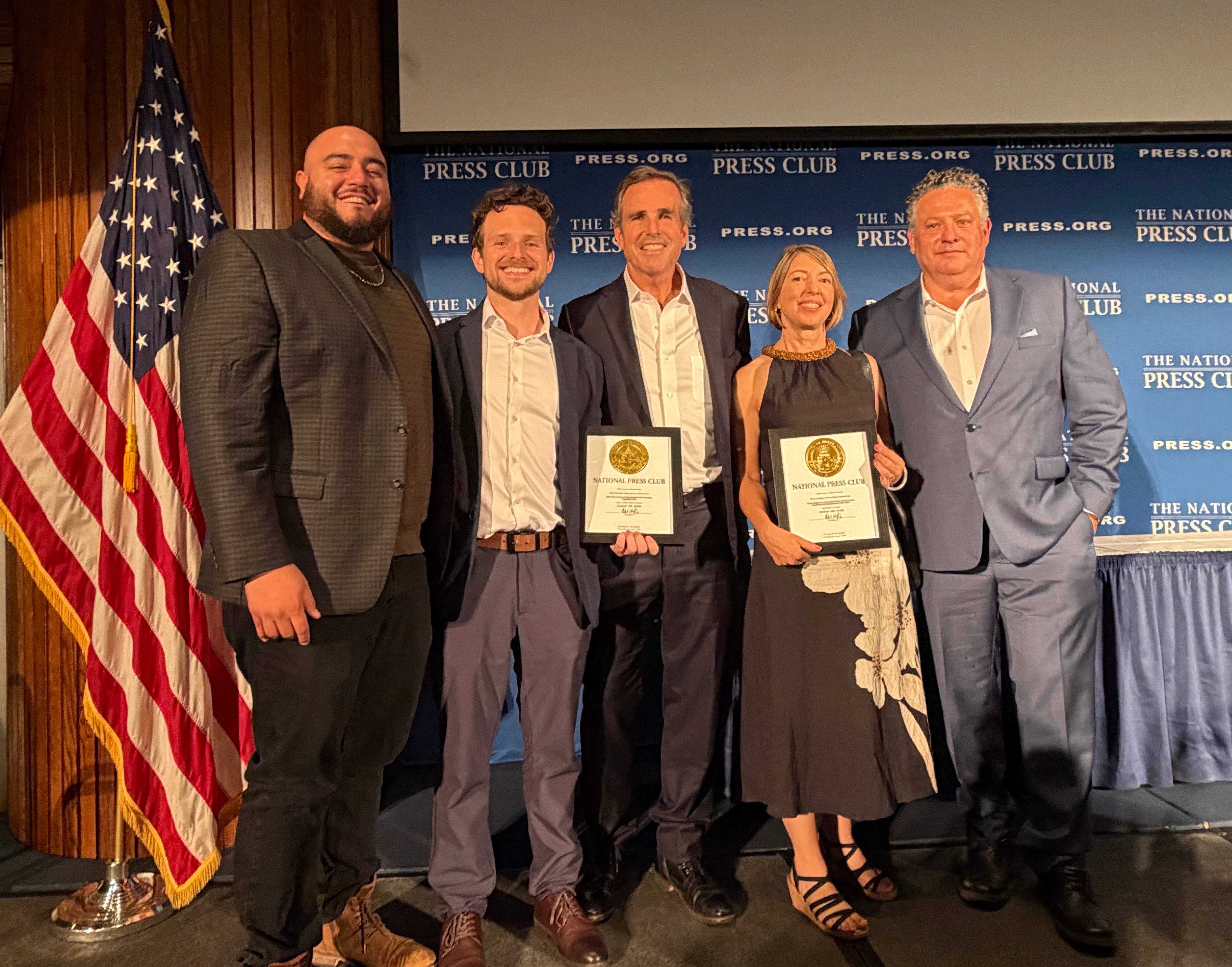
From left, Osej Serratos, Victor Ordóñez, and Bob Woodruff of ABC News, recipients of the 2026 Ann Cottrell Free Animal Reporting Award (Broadcast); WIRE Editor-in-Chief Rene Ebersole, who accepted the Ann Cottrell Free Award (Print/Online) for “The Parrot Cartel,” and Rolling Stone Co-Editor-in-Chief Sean Woods, whose magazine published the investigation. (Elissa Free)
|
|
|
|
|
WIRE Editor-in-Chief Rene Ebersole was honored at the National Press Club’s annual awards this week, where she accepted the Ann Cottrell Free Animal Reporting Award (print/online) for “The Parrot Cartel” on behalf of WIRE and Rolling Stone.
The award honors Ann Cottrell Free, a pioneering journalist who broke into the male-dominated Washington press corps in the 1940s as one of the first women to serve as a Washington correspondent for Newsweek, the New York Herald Tribune, and the Chicago Sun. After covering wartime Washington and reporting from postwar China, Europe, and elsewhere, she turned her attention toward animal welfare and the environment. Her coverage helped expose the Food and Drug Administration’s mistreatment of beagles in testing food dye toxicity and built support for federal animal-welfare legislation. She also played a pivotal role in establishing the Rachel Carson National Wildlife Refuge in Maine.
|
|
|
|
|
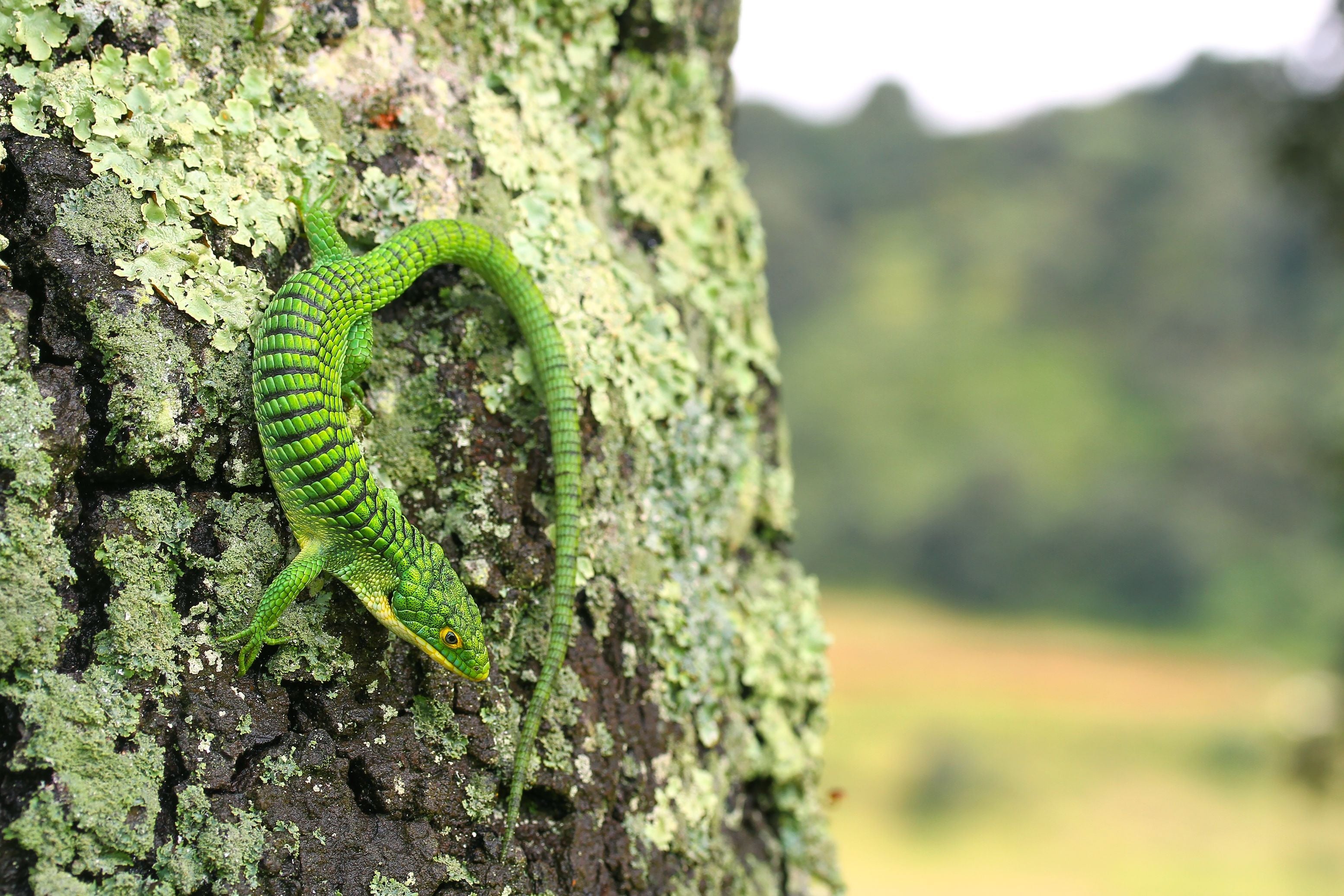
Japanese customs officials recently found endangered Mexican alligator lizards among many others hidden in socks in a Mexican passenger’s suitcase. (Adam G. Clause)
|
|
|
|
-
Sock lizards: A Mexican man was arrested at a Tokyo airport last week with 200 lizards hidden inside 22 pairs of socks. Daniel Isaac Velasco Baltazar reportedly bought most of the lizards for less than $5 and brought them to Japan, where some could sell for more than $600 each. At least one lizard was dead.
-
Gold and reptiles: Earlier this month, Australian law enforcement seized more than $200,000 in silver and gold bullion as well as snakes, skinks, and shingleback lizards from a person suspected of trafficking wildlife into and out of the country. The native Australian species are now in the care of wildlife experts, and the non-native ones were euthanized over biosecurity concerns.
-
Illegal mountain lion hunts: Two of three guides who led illegal hunts for a dozen mountain lions in Idaho and Wyoming have been sentenced to a combined $115,000 fine and five- and four-year hunting bans. The couple, Chad Kulow and Andrea Major, and the third guide, Lavoy Eborn, were indicted in 2024 and originally faced up to five years in prison. Eborn will be sentenced in November.
|
|
|
|
Strange, but true
Because of yoga-with-lemurs classes in Florida, we now know that human herpes can be deadly to the popular primates. A recent paper details four fatal cases of captive lemurs suffering from neurological symptoms, including seizures and drooling. They died before veterinarians at the University of Florida were able to figure out what was wrong. Genetic testing later confirmed the culprit: human herpes simplex virus type 1 (HSV-1), best known for causing cold sores in humans. One of the lemurs regularly took part in “lemur yoga” classes, showing how novelty animal-encounter programs can expose vulnerable animals to human diseases.
|
|
|
|
Like this newsletter? Share it!
|
|
|
|
|
|
|
|
Support WIRE
WIRE runs on curiosity, persistence, and generous support from people who care deeply about what happens to wildlife when no one else is watching. Investigative reporting takes time, expertise, and financial resources, especially when stories cross borders and powerful interests. Our work is funded by readers like you who believe these stories matter. Monthly supporters give us the stability to report deeply, publish independently, and follow the consequences of our investigations. If that resonates, you can support our work here:
|
|
|
|
|
|
|
|
|
Wildlife Investigative Reporters & Editors
Independent, nonprofit journalism exposing wildlife crime and exploitation of nature.
Get in touch: [email protected]
|
|
You received this email because you signed up on our website or made a donation.
|
|
|
|
|
|