|
|
How a Florida tourist attraction turned into a disaster
|
|
|
|
|
Voices and updates from the front lines of wildlife crime and exploitation of nature
|
|
|
|
|
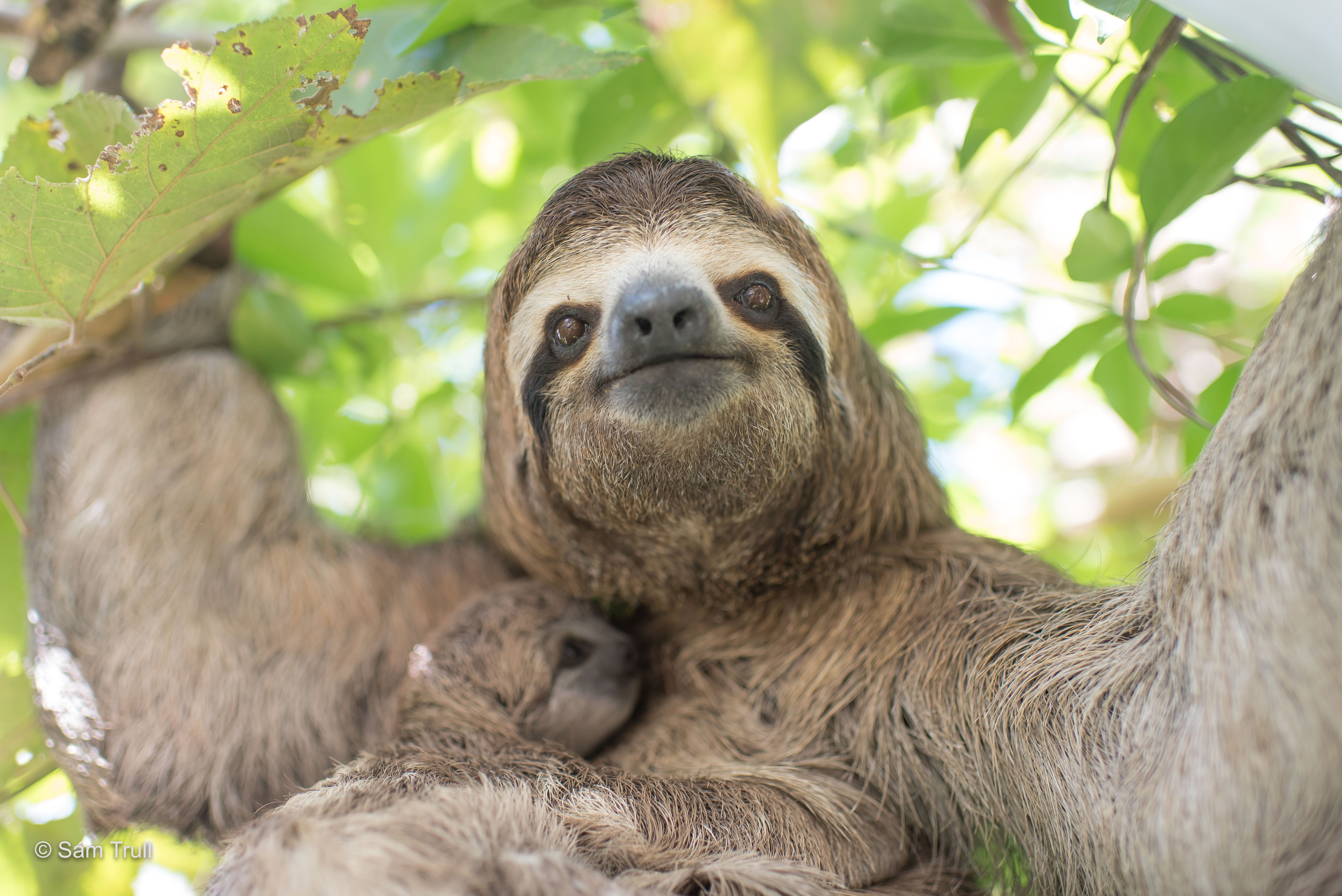
Jumbo and her baby, Dumbo, live at The Sloth Institute’s rehabilitation facility in Costa Rica. With their slow metabolisms, sloths in captivity require very specialized care. (Sam Trull)
|
|
|
|
|
By Rachael Bale
September 11, 2026
|
|
|
|
|
Before a single tourist set foot inside Sloth World—an immersive, indoor tropical habitat designed for dozens of sloths to live and move freely above and beside paying guests—the business’s staging grounds had already devolved into a mass casualty site. Over the course of several months, in an unheated warehouse down the street, with no running water, far from their homes in the tropical canopies of South America, dozens of wild sloths succumbed to cold, stress, malnutrition, and viruses and parasites that clobbered their compromised immune systems.
It marked the beginning of the end for Sloth World, a self-described “ethical, conservation-oriented exhibit” in Orlando, Florida, whose implosion in April has shined a glaring spotlight on the booming industry of wildlife encounters.
For nearly two decades, sloths have reigned as pop-culture darlings. Early on, there was Kristen Bell melting down on The Ellen Degeneres Show when her dream of meeting a sloth came true. A few years later, there was Flash, the sloth in Disney’s animated film Zootopia, who epitomized the somnolence that has plagued everyone’s DMV experience. There’s been an endless parade of memes, viral videos, and sloth-themed merch. Sloths have solidified and re-solidified into the zeitgeist.
Today, people pay to have sleepovers with sloths, do yoga with sloths, swim with sloths, and hug and pose with sloths. Some do it on vacation in South and Central America, others book sloth encounters at wildlife facilities near home. The number of sloths imported to the U.S. doubled between 2011 and 2021, according to an analysis by The Sloth Institute, a nonprofit conservation organization. And while many sloth encounter businesses throw around words like “conservation” and “education,” the import paperwork for most of these sloths shows they’re designated for commercial purposes.
But: Sloths don’t like to be touched. Or moved. They have extreme stress reactions to bright lights, loud noises, and being woken up. Temperature changes can grind their fragile metabolism to a halt. In short, they’re one of the worst animals you could think of to build a commercial venture around.
Here we are, nevertheless. And nothing illustrates better how badly it can all go wrong than Sloth World.
|
|
|
|
|
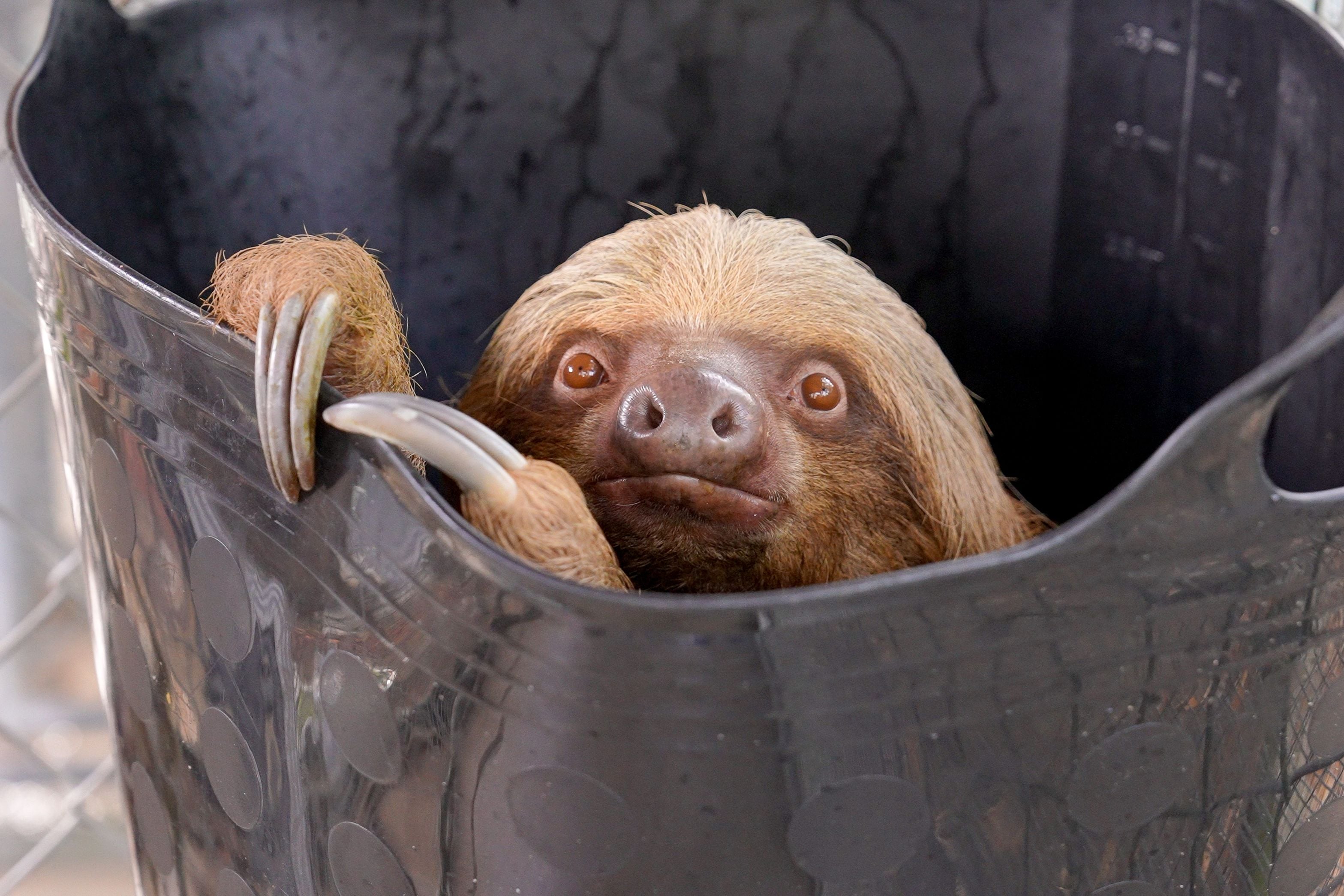
Dumpling, one of 13 critically ill sloths surrendered to the Central Florida Zoo in April by the defunct tourist attraction Sloth World, peeks out from a basket. Despite intensive treatment, Dumpling didn’t survive. (Courtesy Central Florida Zoo)
|
|
|
|
|
Billing itself as the world’s first “slotharium,” Sloth World was celebrated by travel media the moment it announced itself, in late 2025.
Conservation organizations quickly spoke up, condemning the business for buying wild-caught sloths from Guyana and Peru.
“The irony of extracting sloths from the wild to act as a moneymaking attraction for funding the conservation of sloths in the wild is staggering,” said Sam Trull, co-founder of The Sloth Institute, in January.
No one knew it yet, but 31 sloths had already died.
Four months later, Inside Climate News published a story, revealing the sloth deaths to the public for the first time. The deaths, and the warehouse’s conditions, had been documented in a Florida Fish and Wildlife Conservation Commission incident report dated eight months earlier. The report had been filed away…until Inside Climate News submitted an open-records request for it.
It took only a week for Sloth World’s owner, Benjamin Agresta, to announce its opening was canceled. The remaining 13 sloths, all in critical condition, were surrendered to the Central Florida Zoo. Five didn’t make it.
Altogether, it’s estimated that more than 50 sloths died.
|
|
|
|
|
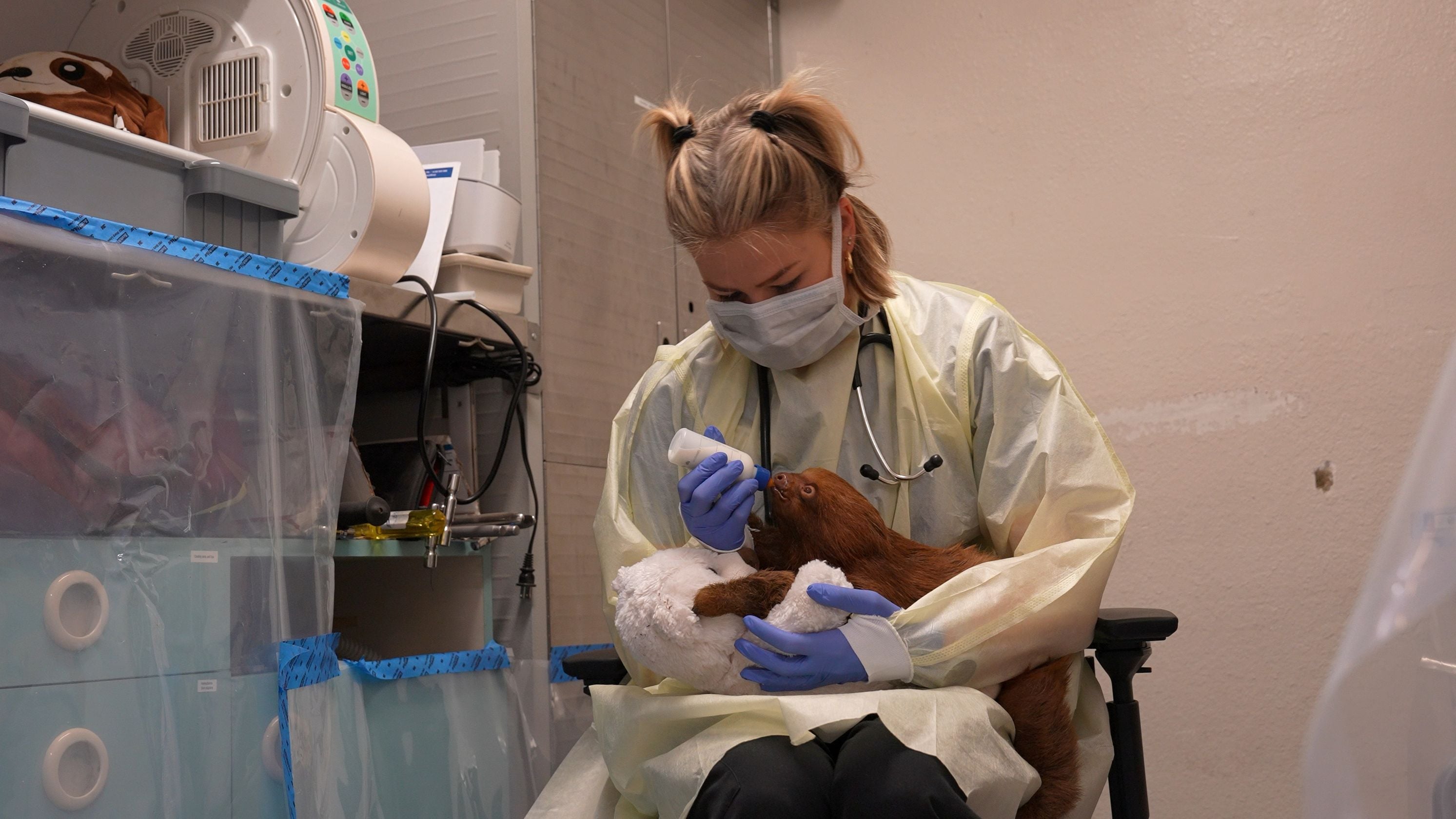
Haley Staub, a veterinarian at the Central Florida Zoo, feeds Mr. Ginger, one of the sloths surrendered to the zoo by Sloth World earlier this year. He died in May. (Courtesy Central Florida Zoo)
|
|
|
|
|
Did a friend forward this newsletter to you?
|
|
|
|
|
|
|
|
|
The Orange County Sheriff’s Office opened a criminal animal cruelty investigation. Three weeks ago, investigators published their report: “No evidence was discovered indicating intentional harm, abuse, criminal neglect, failure to provide necessary care, or any deliberate act or omission by facility personnel that contributed to the deaths of the animals,” the report says.
Welfare advocates and conservation groups such as The Sloth Conservation Foundation and The Sloth Institute criticized the finding.
“I think Florida's laws protecting the welfare of animals are inadequate if failing to provide appropriate care, leading to the deaths of 58 sloths, is not considered a criminal offense,” says The Sloth Institute’s Trull. “Most of these sloths died emaciated and covered in their own diarrhea, while reeling from the stress of their capture from the wild, transportation to Florida, and confinement in a cold warehouse. Why is it legal to do this to sentient beings whose only desire is to relax in the sunshine at the top of a tree, having a good scratch and enjoying a tasty meal? Sloths deserve better.”
As certain species gain pop-culture status, “we want to make sure we’re doing the right thing by them,” says Andy Shertz of the Denver Zoo Conservation Alliance, which is home to a pair of sloths named Charlotte and Elliot rescued from the illegal trade in Miami in the 1990s. “Telling people they’re not pets.”
People often don’t realize that many of the sloths they see on social media are taken from the wild and that sloths have very specific and complex needs that are difficult to fulfill in captivity, even for experts.
“They have one of the lowest metabolic rates of any non-hibernating animal out there,” Shertz says. Their diet of leaves provides almost no energy. But rather than eat more, they evolved to use what energy they do get very, very slowly. This means they can’t ramp up their metabolism when they’re cold, stressed, or sick. And if they do get cold, stressed, or sick, the delicate balance of gut flora starts to die off, which can quickly bring the sloth’s already slow metabolism to a complete stop.
Read more about sloth trade and tourism:
|
|
|
|
|
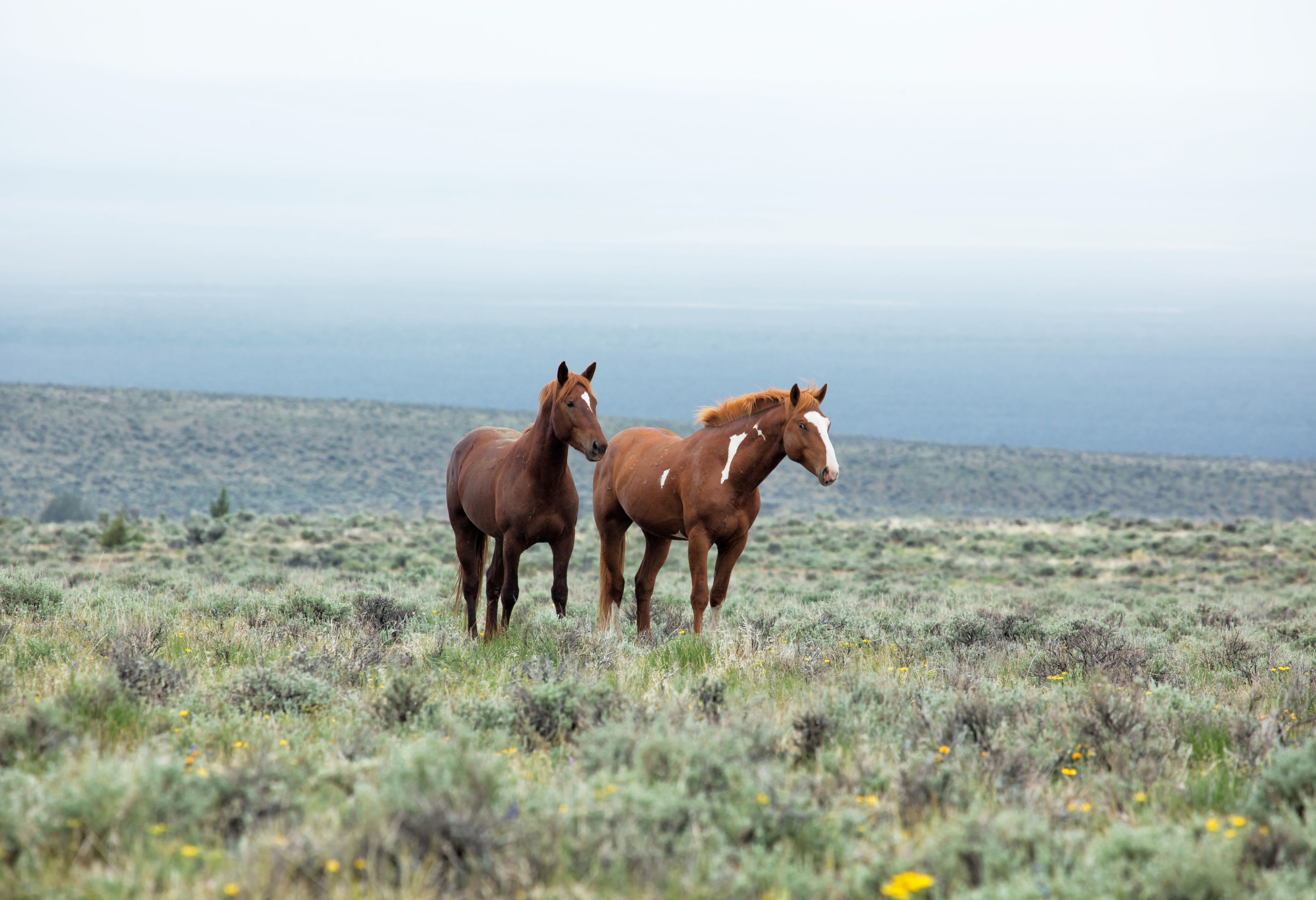
Horses smuggled into the U.S. from Mexico may carry screwworm, a flesh-eating fly whose larvae infest cattle and other warm-blooded animals. (Belinda Greb)
|
|
|
|
-
Screwworm ride-along: A Reuters investigation found that smuggled race horses, dogs used in illegal fighting rings, and exotic pets—monkeys, bears, tigers— from Mexico are bypassing U.S. veterinary inspections, health certifications, and quarantine measures, potentially giving New World screwworm a ride across the border. The flesh-eating fly whose larvae infest and kill livestock and other warm-blooded animals was first found infecting U.S. cattle in June. A previous screwworm outbreak in the U.S. killed thousands of animals before being eradicated in the 1960s. Experts warn another widespread outbreak could cost the economy as much as $1.8 billion.
-
Parrot egg smugglers: South African authorities arrested two Thai nationals at Johannesburg’s OR Tambo International Airport for allegedly smuggling parrot eggs. On July 16, a 23-year-old was allegedly caught with 418 eggs concealed in two homemade incubator bags; on August 20, a 50-year-old was allegedly carrying 50 more. Preliminary investigations indicate the eggs came from CITES-listed parrot species. At Pretoria’s National Zoological Garden, several eggs have hatched and chicks are receiving intensive care.
-
Crime-fighting tech: Thermal drones, camera systems, and software are transforming wildlife protection—but they’re only as useful as the people who know how to operate and maintain them. That’s the idea behind the Connected Conservation Foundation’s Protected Area Technician program, a 10-module online course launched in 2025 to train conservation professionals in the technical skills needed to keep these systems running. More than 600 people completed at least part of the course, and 16 top graduates from 11 African countries recently gathered in South Africa for hands-on training with thermal drones and other conservation technology, according to The Guardian.
|
|
|
|
Strange, but true
In Zambia and neighboring countries, wild orchid tubers are turned into chikanda, a traditional, meatloaf-like cake made with ground peanuts, chili, and other ingredients. The dish has become increasingly popular and commercialized, putting pressure on wild orchid populations because harvesting the tuber means uprooting—and killing—the entire plant.
|
|
|
|
Like this newsletter? Share it!
|
|
|
|
|
|
|
|
Support WIRE
WIRE runs on curiosity, persistence, and generous support from people who care deeply about what happens to wildlife when no one else is watching. Investigative reporting takes time, expertise, and financial resources, especially when stories cross borders and powerful interests. Our work is funded by readers like you who believe these stories matter. Monthly supporters give us the stability to report deeply, publish independently, and follow the consequences of our investigations. If that resonates, you can support our work here:
|
|
|
|
|
|
|
|
|
Wildlife Investigative Reporters & Editors
Independent, nonprofit journalism exposing wildlife crime and exploitation of nature.
Get in touch: [email protected]
|
|
You received this email because you signed up on our website or made a donation.
|
|
|
|
|
|