|
|
And we don't know what it means for endangered species.
|
|
|
|
|
Voices and updates from the front lines of wildlife crime and exploitation of nature
|
|
|
|
|
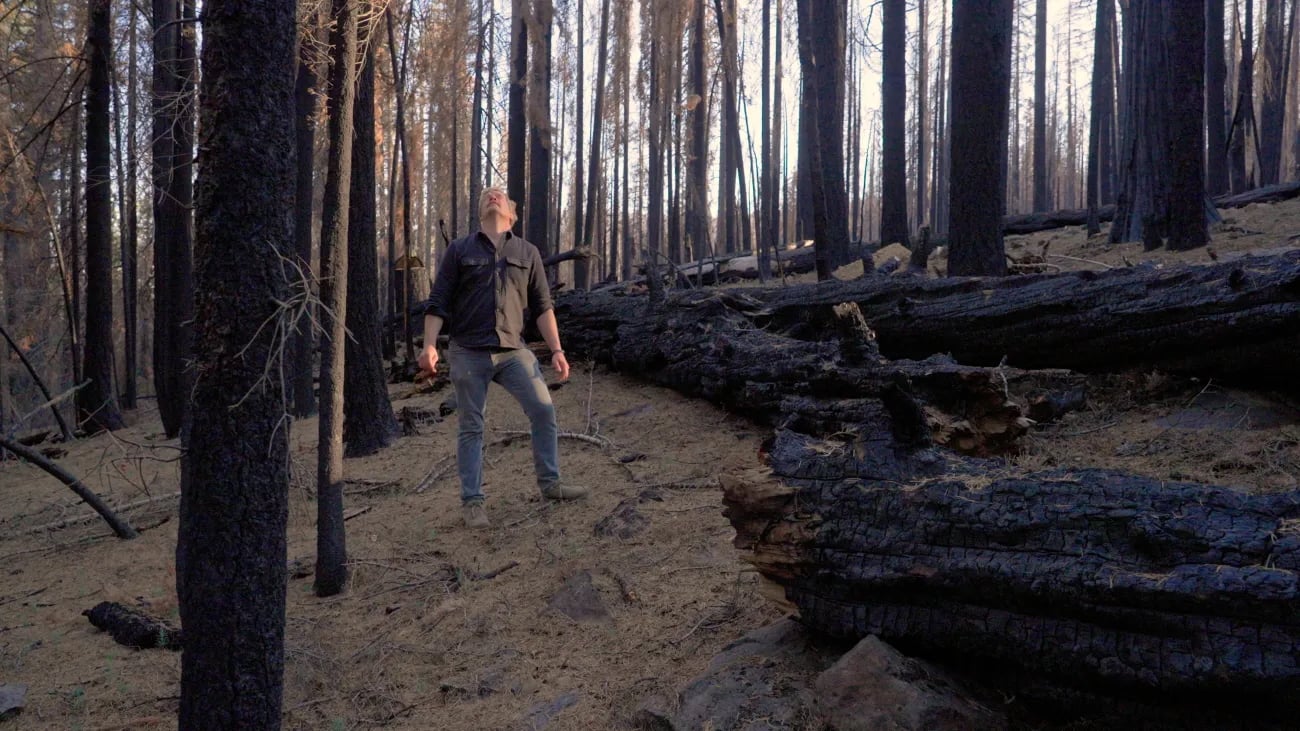
Reveal reporter Nathan Halverson stands amid the remains of the 2024 Park Fire in California, where the Forest Service plans to spray glyphosate, commonly known as RoundUp. (Scott Anger, courtesy Center for Investigative Reporting)
|
|
|
|
What’s happening to animals in forests bombarded with weed killers?
|
|
|
|
|
By Rachael Bale
August 14, 2026
|
|
|
|
|
While I was out walking my dog the other day, I was listening to a recent episode of Reveal, a podcast from the Center for Investigative Reporting, about how the U.S. Forest Service is spraying large amounts of glyphosate—a weed killer better known by its brand name, Roundup—on national forests recovering from wildfires in California.
The reason is almost entirely commercial: Logging.
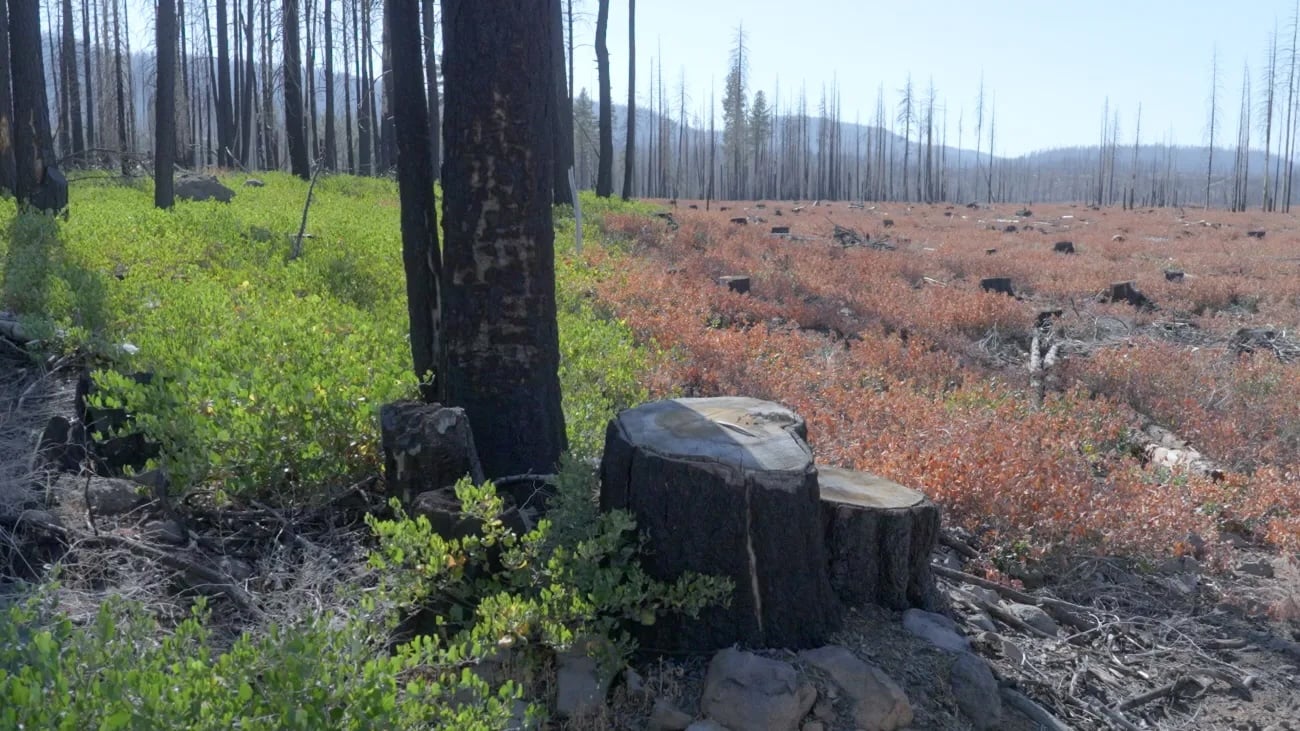
Glyphosate doesn’t affect the commercially valuable conifers that timber companies hold contracts to harvest on some public lands, but it does wipe out their competition. That includes acorn-dropping oak trees, willows that stabilize stream banks, winter-blooming manzanitas that feed bees and other pollinators before spring, even deer brush—one of the first plants to sprout up after a wildfire—critical for jumpstarting soil renewal and nourishing mice and deer in an otherwise barren landscape.
“You would think a bomb went off, or it was napalmed,” said Reveal reporter Nathan Halverson, who has a cabin in the Lassen area near where spraying was planned “Nothing is there. It’s just dirt.”
Halverson’s investigation is full of revelations—about how and why national forests are turned into commercial tree farms, about how five times as much glyphosate was sprayed on California’s forests in 2023 than two decades ago, about how a widely cited review that’s been used to support glyphosate’s safety was recently retracted after questions emerged about undisclosed industry involvement and the integrity of the review process—and much more.
|
|
|
|
|
There’s a sharp line between glyphosate-treated and untreated land in this forest. (Scott Anger, courtesy Center for Investigative Reporting)
|
|
|
|
|
“My reporting looked at, This is happening, and it’s happening in record amounts, and they say that it’s safe because of studies that were written by the industry,” Halverson said to me a few weeks ago. “That was my investigation. And now my hope is that other people pick that up and say, Holy buckets, there is something big happening here. We have to dig into it.”
So I did. In a small way, at least. I wanted to know, how are these extreme landscape changes—and the chemical itself—are affecting plants and animals, and their overall populations?
The answer is obvious for plants: They’re not growing. By extension, that’s a problem for the animals that shelter in and eat them—and for the animals that eat those animals. So: It’s a very big problem for the whole ecosystem. Without plants, there isn’t much of one.
And glyphosate, we already know, can also harm animals directly, especially aquatic ones like fish and frogs, by causing developmental problems, organ damage, behavioral changes, and other effects.
As for whether glyphosate is causing entire populations to drop? No one really knows.
The good news is that the U.S. Fish and Wildlife Service is looking into it.
The bad news is that the service has been looking into it for five years and doesn’t appear to be close to publishing its findings. Its review started in 2021, the year the Environmental Protection Agency, the main federal regulator of pesticides, a broad category that includes herbicides like glyphosate, concluded that nearly 1,700 threatened and endangered species are “likely adversely affected” by glyphosate use through incidental exposure or habitat changes.
|
|
|
|
|
Did a friend forward this newsletter to you?
|
|
|
|
|
|
|
|
|
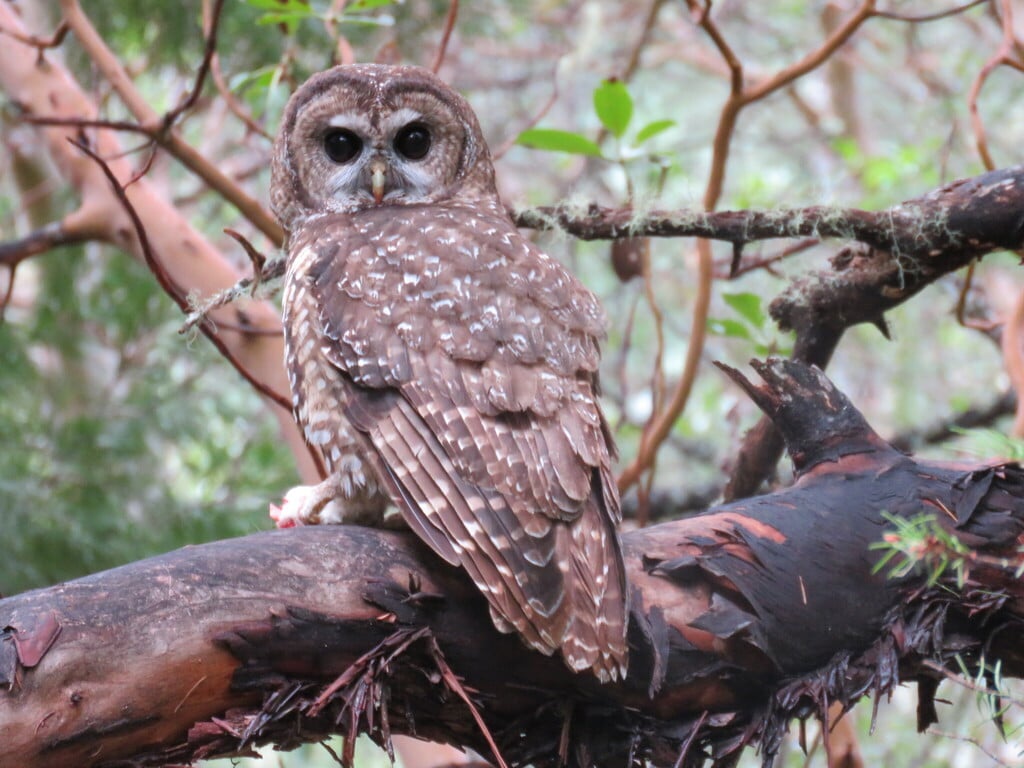
Northern spotted owls, listed as threatened under the Endangered Species Act, are likely affected by the use of glyphosate, the EPA determined in 2021. (Russ Namitz/iNaturalist, CCO 1.0)
|
|
|
|
|
With that finding, the ball bounced into the Fish and Wildlife Service’s court to determine whether the chemical’s effects are likely to jeopardize the survival or recovery of those species.
What’s taking so long?
As it happens, glyphosate is just one of dozens of pesticide ingredients that the EPA is only now asking federal wildlife agencies to review, even though many have been in use for decades.
The EPA should have been considering the effects on endangered species for each potential pesticide registration it’s considered since 1973, when the Endangered Species Act passed, says Nathan Donley of the Center for Biological Diversity (CBD). But for 50 years, it “met these duties for less than 5 percent of its decisions,” the EPA itself said in a press release a few years ago.
It took dozens of lawsuits dating back to the 2000s, many from the CBD, for the EPA to finally begin consulting with the Fish and Wildlife Service and its counterpart, the National Marine Fisheries Service, on approved pesticides, including glyphosate.
This, in turn, has created a new problem: An “enormous backlog” for the wildlife agencies, Donley says, which now must evaluate the effects of dozens of chemicals on thousands of imperiled species living in vastly different landscapes across the U.S. “It’s a result of the EPA kicking the can down the road for the last 50 years.”
It’s unknown when the glyphosate review will be finished. The Fish and Wildlife Service did not respond to WIRE’s questions about timing, and there is no court-ordered deadline, Donley says, so it’s just “a waiting game.”
And while we’re waiting to learn how glyphosate is affecting endangered species, the spraying continues—on public and private lands across the country.
Listen and read Halverson’s reporting on glyphosate for Reveal and Mother Jones, publications of the Center for Investigative Reporting:
|
|
|
|
|
In August, a WIRE team of journalists ventured into a South American rainforest to begin work on a new investigation into the forces reshaping one of the world’s most important ecosystems. And in September, we’ll kick off a series of ocean investigations, made possible by generous support from philanthropic organizations, including the Paul Angell Foundation, and individual donors. These stories will take readers into the field through in-depth investigative journalism, powerful nature photography, documentary film, social media storytelling, and more. We’re excited to share what we uncover.
Our thanks to all of you who contribute to our efforts to expose the forces exploiting and destroying nature for audiences around the world.
|
|
|
|
|
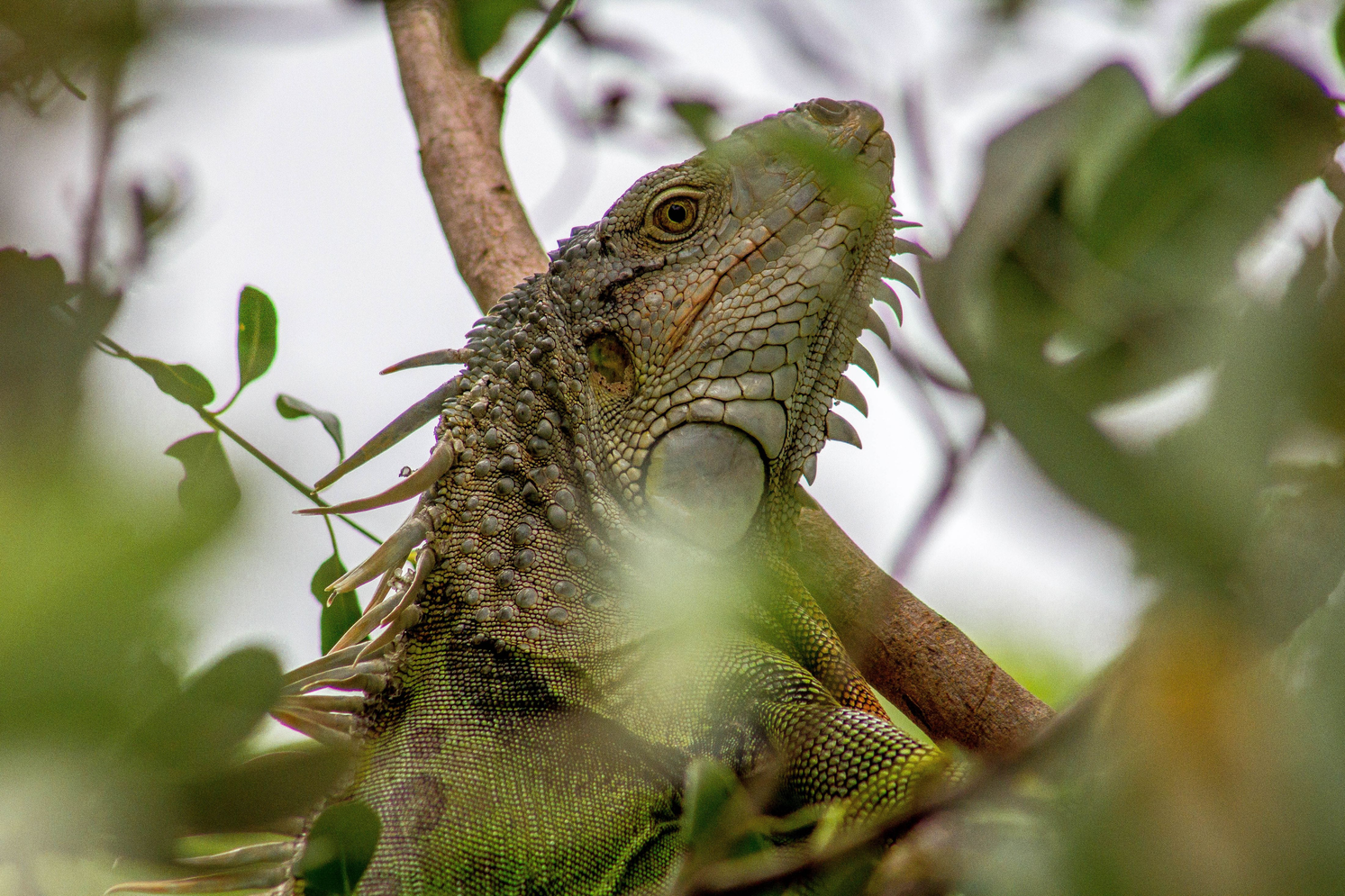
A green iguana was among several animals seized from the Hong Kong Convention and Exhibition Centre in 2022. (Andy Rogan)
|
|
|
|
-
Herp host in hot water: The host of a Hong Kong exotic pet expo for children stands charged with illegal possession of endangered species, Reuters reports. The case dates to 2022, when Hong Kong's Agriculture, Fisheries and Conservation Department seized a number of live endangered animals, including a Spencer’s monitor lizard, a protected Australian species banned from commercial trade there, a green iguana, a golden coin turtle, and a taxidermied African grey parrot from the Hong Kong Convention and Exhibition Centre. A representative from Nature Herpetology Education told Reuters that owner Alvin Wong Ho-hin had failed to show for his court date on August 4 because he had Type A influenza.
-
Amazon crackdown: In July 2026, police forces in five Amazon countries coordinated a crackdown targeting illegal mining, logging, wildlife trafficking, and other environmental crimes. So far, Operation Green Shield 2026 has resulted in 839 arrests, rescued more than 3,000 live animals, recovered 430 dead animals—from snakes and birds to lizards and fish—and seized enough illegal timber to fill 110 Olympic-size swimming pools, according to ABC News. Environmental crime has become one of the most profitable illicit industries in the Amazon, fueled by global demand for gold, timber, and wildlife.
-
New docuseries: First there was Tiger King, then Chimp Crazy, and now we have Monsters of God, the latest animal docuseries from director and executive producer Eric Goode. The five-part HBO series, which explores the dark world of exotic reptile trafficking, premiered on August 6. Tune in to WIRE’s next newsletter for our conversation with Goode and executive producer Jeremy McBride about the making of Monsters—and Goode’s biggest regret about Tiger King.
|
|
|
|
|
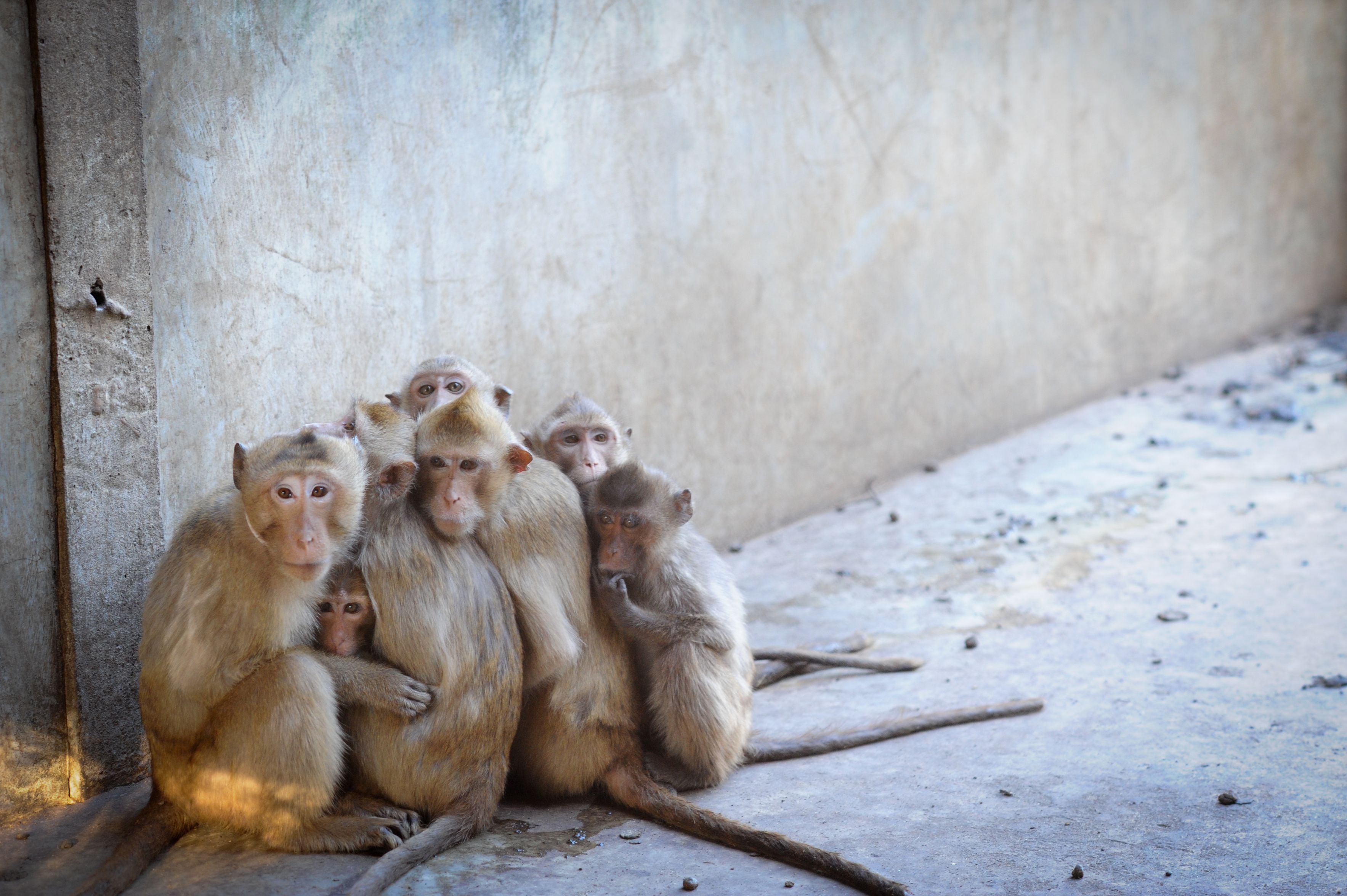
Long-tailed macaques native to Southeast Asia are bred at facilities such as this one in Laos and sold to research labs around the world. Baby macaques captured from the wild are sometimes brutalized in “animal crush videos.” (Jo-Anne McArthur)
|
|
|
|
Strange, but true—and extraordinarily disturbing
Illegal “animal crush videos” of baby monkeys being tortured have been trending on online networks and chat groups, including YouTube, Facebook, TikTok, and Discord. Participants in encrypted online chat groups pay individuals—often overseas—to film the capture, mutilation, and killing of infant monkeys, particularly macaques. U.S. officials are cracking down on perpetrators, with more than 20 people convicted since 2023, according to Department of Justice Press releases and court records. In July, an Ohio man named Nicholas Dryden was sentenced to nine years in prison for paying a minor in Indonesia to create monkey torture videos that featured, among other unspeakable horrors, young monkeys having their genitals burned off. Drydon sold the videos through online chat groups. U.S. prosecutors called the acts “reprehensible” and “extraordinarily disturbing” in a press release about the case. “This sadistic and obscene conduct is unacceptable in any civilized society,” said U.S. Attorney Dominick S. Gerace II for the Southern District of Ohio in a statement. “Dryden will rightfully spend time in prison for his actions.”
|
|
|
|
Like this newsletter? Share it!
|
|
|
|
|
|
|
|
Support WIRE
WIRE runs on curiosity, persistence, and generous support from people who care deeply about what happens to wildlife when no one else is watching. Investigative reporting takes time, expertise, and financial resources, especially when stories cross borders and powerful interests. Our work is funded by readers like you who believe these stories matter. Monthly supporters give us the stability to report deeply, publish independently, and follow the consequences of our investigations. If that resonates, you can support our work here:
|
|
|
|
|
|
|
|
|
Wildlife Investigative Reporters & Editors
Independent, nonprofit journalism exposing wildlife crime and exploitation of nature.
Get in touch: [email protected]
|
|
You received this email because you signed up on our website or made a donation.
|
|
|
|
|
|