|
|
Looking for wildlife at the airport
|
|
|
|
|
Voices and updates from the front lines of wildlife crime and exploitation of nature
|
|
|
|
|
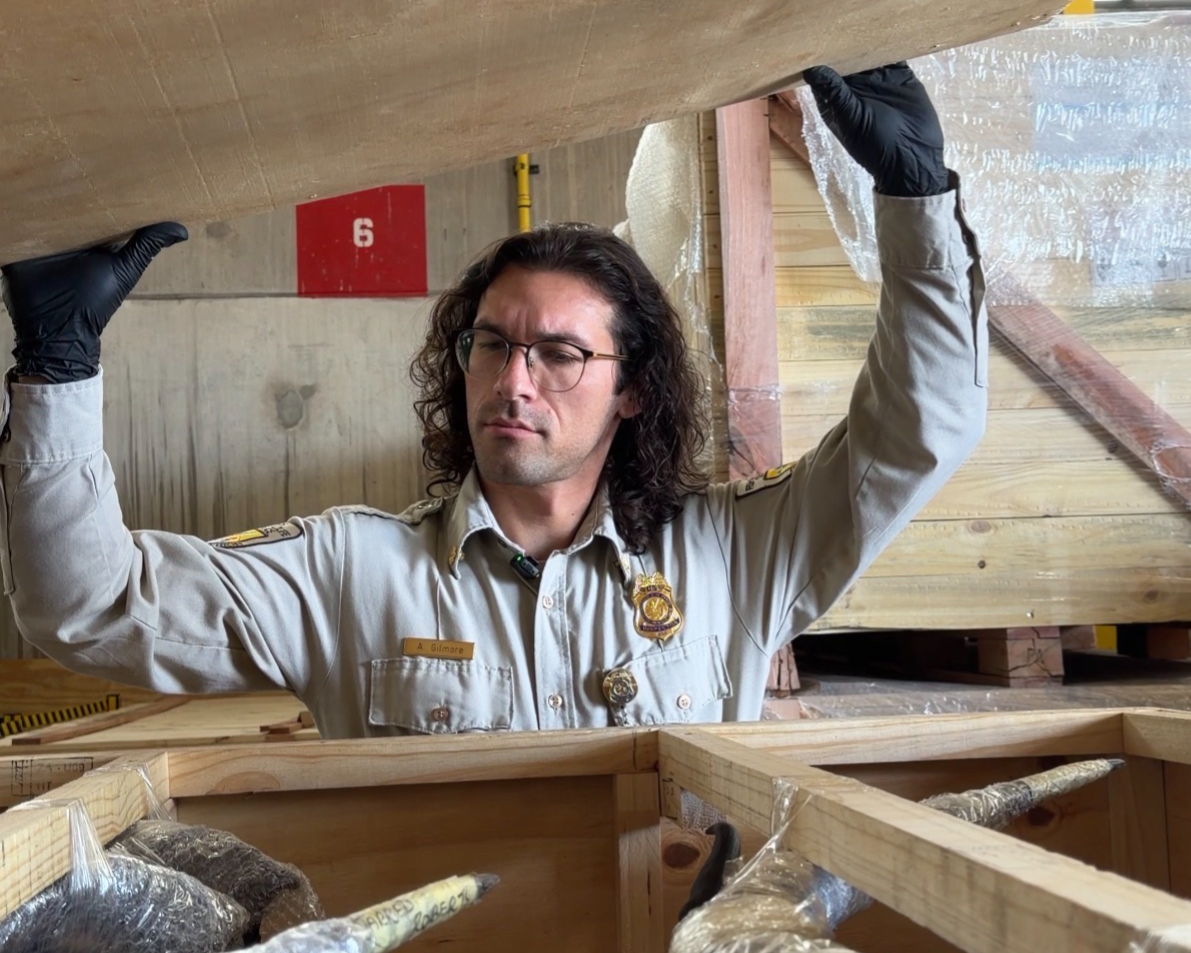
U.S. Fish and Wildlife inspector Anthony Gilmore looks into a crate of legally imported hunting trophies in the cargo warehouse at Denver International Airport. (Rachael Bale)
|
|
|
|
|
By Rachael Bale
July 3, 2026
|
|
|
|
|
Inside the cargo warehouse at Denver International Airport, birds were singing loud and clear. At first I thought, Wow, a shipment of birds must be passing through—lucky timing for me! Then some poop landed on the floor a few inches from where I was standing. I looked up. House sparrows were chirping from every nook and cranny of the warehouse’s high ceilings. A good spot for nests.
Holli Polanski, one of the airport’s two U.S. Fish and Wildlife Service inspectors, who’s giving me a tour, explained that they don’t often get shipments of live birds, or any other animals, because Denver is so far inland. Live wildlife—commercial shipments of birds as well as snakes, lizards, fish, and other likely pets—typically arrive at coastal ports such as Los Angeles or Miami or New York, where they’re inspected before being forwarded to their final destination. Most of those ports also have more inspectors.
In Denver, it’s up to Holli and her colleague, Anthony Gilmore, to monitor everything: all the cargo passing through (here, mostly hunting trophies) AND all the passengers arriving on international flights.
In the warehouse, I watched as they used power drills to remove the plywood cover of a huge crate filled with the heads and skins of African animals. Anthony unrolled a zebra skin packed in a layer of bubble wrap and tucked in the corner of the box next to an antelope head. He looked at the stripes. Black, gray, black, gray. A Burchell’s zebra. Just what was expected. Anthony knows off the top of his head that Burchell’s zebras have these “shadow” stripes, Hartmann’s zebras have a set of horizontal stripes on their rump, and highly endangered Grevy’s zebras have one long stripe running down their back to the tip of their tail. Leaning over the crate, they checked that the other trophies—all antelope heads—also matched what was declared on the paperwork. They do, they almost always do, Anthony says.
|
|
|
|
|
That’s part of the job. U.S. Fish and Wildlife Inspectors are tasked with ensuring that shipments of wildlife—hunting trophies, tropical fish, crocodile handbags, pet snakes, caviar, you name it—only move into or out of the U.S. with the proper paperwork. They inspect shipments known to contain wildlife, and they inspect shipments they suspect may contain smuggled wildlife. They carefully watch arriving international passengers: Does the woman arriving from Paris have the right permit for that crocodile handbag she’s carrying? Could those guys arriving from Vietnam have any snake wine in their carry-on bags that they forgot to declare? Could that passenger’s bundle of “pashmina gifts” from India be hiding illegal shahtoosh shawls, $20,000 garments made from the fur of dead Tibetan antelopes?
|
|
|
|
|
Did a friend forward this newsletter to you?
|
|
|
|
|
|
|
|
|
For the record, the wildlife inspectors at Denver International Airport deny knowing anything about the lizard people and/or aliens that may or may not lurk in the facility’s underground tunnels—one of the many conspiracy theories surrounding the airport. (Courtesy Denver International Airport)
|
|
|
|
|
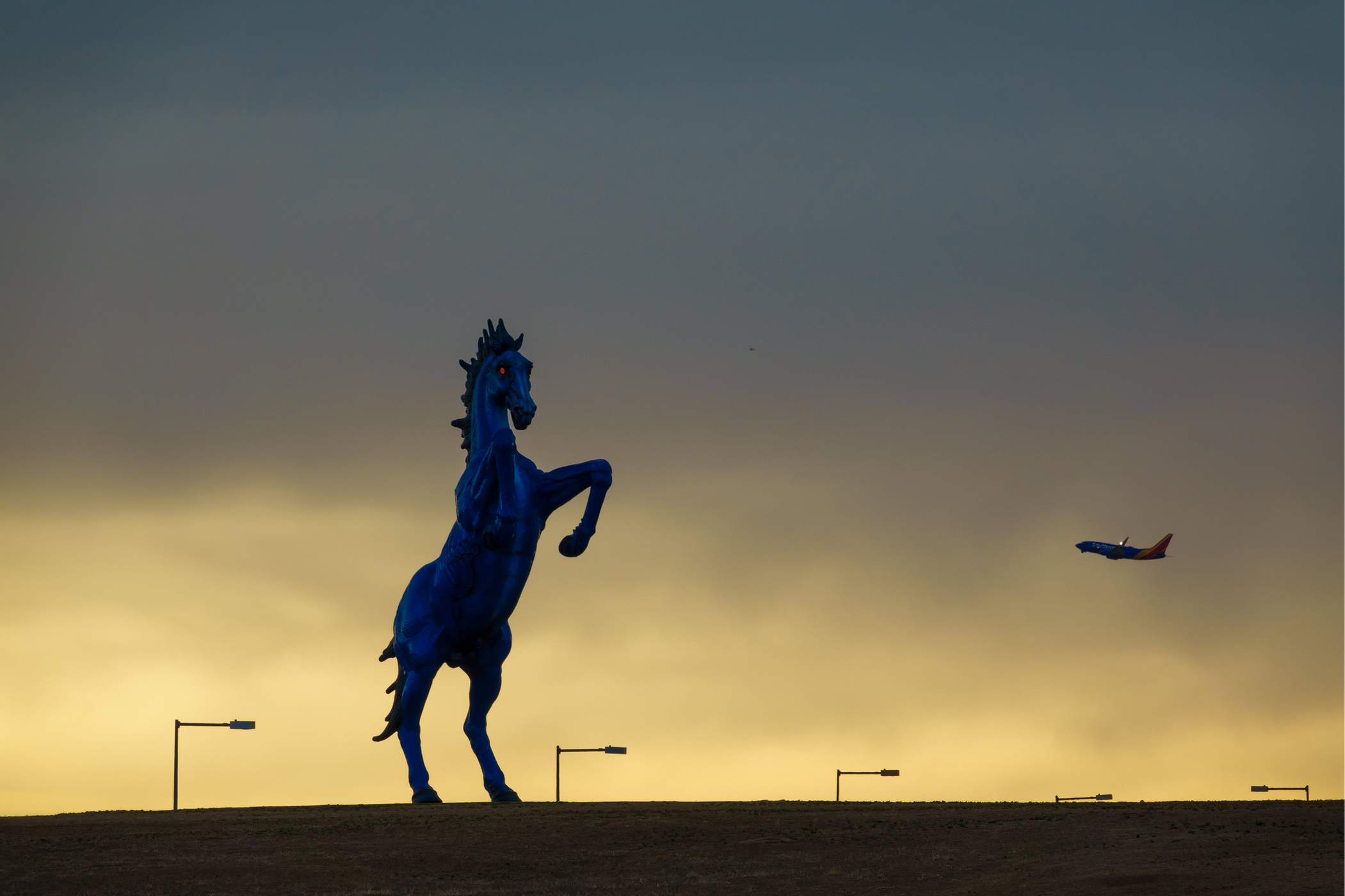
Driving out of the airport and past Blucifer, the 32-foot-tall statue of a bucking blue horse with glowing red eyes, I’m a smidge disappointed that today was uneventful. No big busts, no new mysteries.
Then again, Denver International Airport has enough of those, what with the lizard people and all.
|
|
|
|
|
“The Parrot Cartel,” WIRE’s investigation into African gray parrot trafficking, won the National Press Club’s 2026 Ann Cottrell Free Animal Reporting Award. By Editor-in-Chief Rene Ebersole and co-published with Rolling Stone, the story is “fine example of in-depth, enterprising, and original reporting about an animal crisis,” the judges said. See the story, also featuring photos by Karine Aigner and a short documentary film, here.
|
|
|
|
|
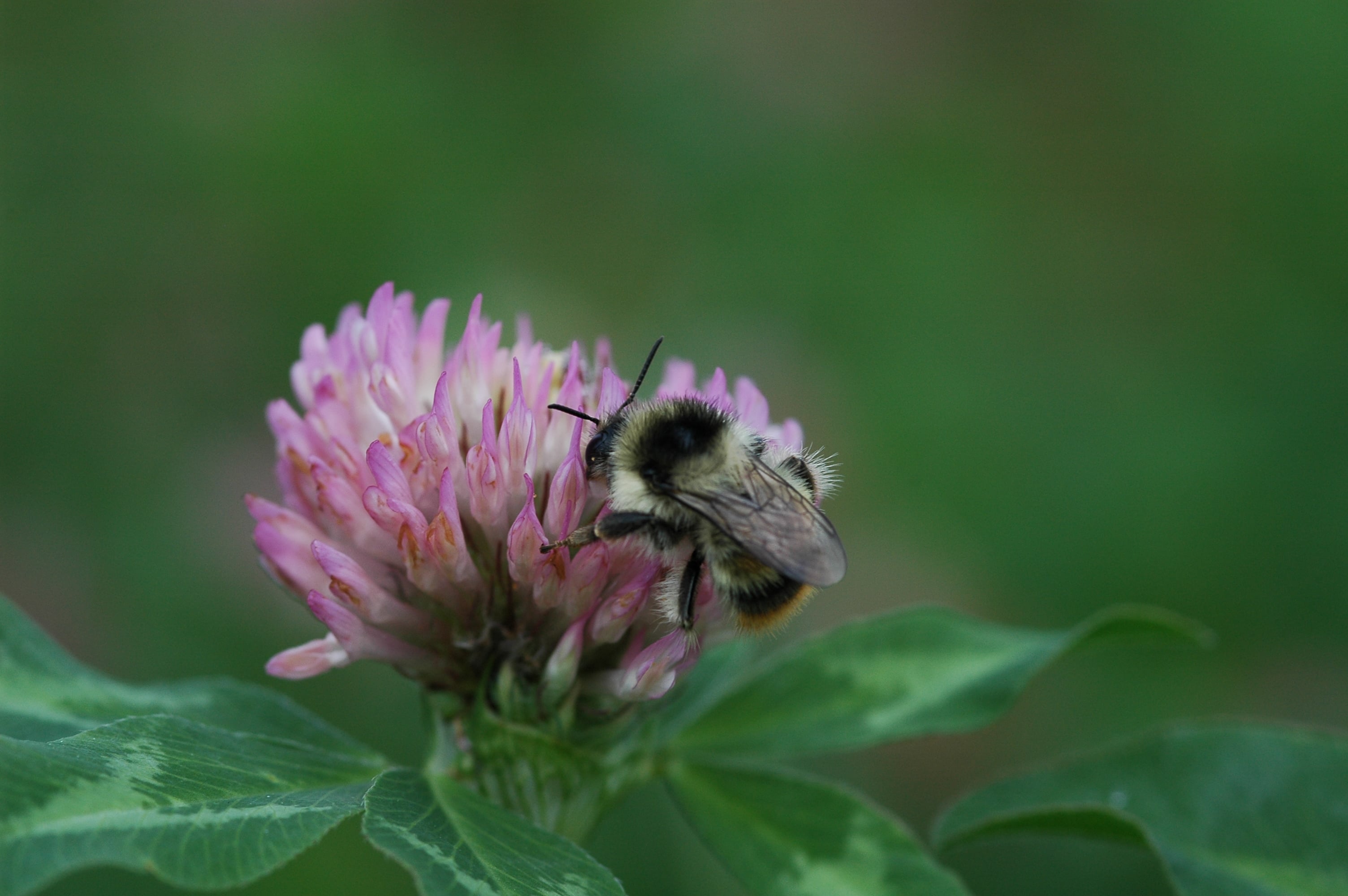
Biodiversity loss translates to economic loss, which could mean trouble for the global economy, researchers warn. (Bumblebee Conservation Trust)
|
|
|
|
- 500 elephant tusks: A North Korean man who’d been arrested in April in Tanzania with 500 elephant tusks was scheduled to appear in court in June. Instead, Un Hyok Ra reportedly was declared persona non grata, a designation typically reserved for diplomatic personnel, and deported, according to the Elephant Crisis Fund. In the past 30 years, there have been at least 18 cases of suspected ivory and rhino horn smuggling involving North Korean diplomats.
-
$162 billion: A new study finds that biodiversity loss is a major, overlooked risk to countries’ credit ratings. Even a partial collapse of just a few key natural systems that provide pollination, seafood, and timber would cut GDPs, triggering credit rating downgrades and raising global government debt payments by $162 billion. The study’s authors call for biodiversity to be built into financial systems as a measurable source of risk, alongside existing considerations like inflation, government stability, and economic diversity.
-
777 eggs: A man arriving in Hong Kong from Thailand was arrested on June 27 when customs found 777 eggs of suspected endangered birds hidden in his carry-on bag. Estimates place the value of the eggs at nearly $1.4 million, or about $1,800 each. In a nearly identical incident last December, another traveler from Thailand was arrested in Hong Kong with 714 eggs from protected bird species, suggesting the involvement of organized trafficking networks.
|
|
|
|
Strange, but true
Luxury yachts and wildlife trafficking? In this case, the wildlife being trafficked is the yacht—or at least, a key part of it. In May, Sunseeker, “the world’s leading luxury motor yacht brand,” pleaded guilty to importing yachts to the U.S. that use illegal Burmese teak. Old-growth teak from Myanmar has historically been the gold standard for yachts because its high oil content makes it especially resistant to the wear and tear of salt water—and its rarity signals wealth and status. The U.S., EU, and U.K. effectively banned the import of Burmese teak, which has been exported by a single state-controlled company in Myanmar since the country’s 2021 coup. Opaque timber supply chains make the origins of many rare hardwoods difficult to trace.
|
|
|
|
Like this newsletter? Share it!
|
|
|
|
|
|
|
|
Support WIRE
WIRE runs on curiosity, persistence, and generous support from people who care deeply about what happens to wildlife when no one else is watching. Investigative reporting takes time, expertise, and financial resources, especially when stories cross borders and powerful interests. Our work is funded by readers like you who believe these stories matter. Monthly supporters give us the stability to report deeply, publish independently, and follow the consequences of our investigations. If that resonates, you can support our work here:
|
|
|
|
|
|
|
|
|
Wildlife Investigative Reporters & Editors
Independent, nonprofit journalism exposing wildlife crime and exploitation of nature.
Get in touch: [email protected]
|
|
You received this email because you signed up on our website or made a donation.
|
|
|
|
|
|