|
|
Our video about a confiscated jaguar fur coat went viral, and the comments got…complicated.
|
͏ ͏ ͏ ͏ ͏ ͏ ͏ ͏ ͏ ͏ ͏ ͏ ͏ ͏ ͏ ͏ ͏ ͏ ͏ ͏ ͏ ͏ ͏ ͏ ͏ ͏ ͏ ͏ ͏ ͏ ͏ ͏ ͏ ͏ ͏ ͏ ͏ ͏ ͏ ͏ ͏ ͏ ͏ ͏ ͏ ͏ ͏ ͏ ͏ ͏ ͏ ͏ ͏ ͏ ͏ ͏ ͏ ͏ ͏ ͏ ͏ ͏ ͏ ͏ ͏ ͏ ͏ ͏ ͏ ͏ ͏ ͏ ͏ ͏ ͏ ͏ ͏ ͏ ͏ ͏ ͏ ͏ ͏ ͏ ͏ ͏ ͏ ͏ ͏ ͏ ͏ ͏ ͏ ͏ ͏ ͏ ͏ ͏ ͏ ͏ ͏ ͏ ͏ ͏ ͏ ͏ ͏ ͏ ͏ ͏ ͏ ͏ ͏ ͏ ͏ ͏ ͏ ͏ ͏ ͏ ͏ ͏ ͏ ͏ ͏ ͏ ͏ ͏ ͏ ͏ ͏ ͏ ͏ ͏ ͏ ͏ ͏ ͏ ͏ ͏ ͏ ͏ ͏ ͏ ͏ ͏ ͏ ͏ ͏ ͏
|
|
|
|
|
Voices and updates from the front lines of wildlife crime and exploitation of nature
|
|
|
|
|
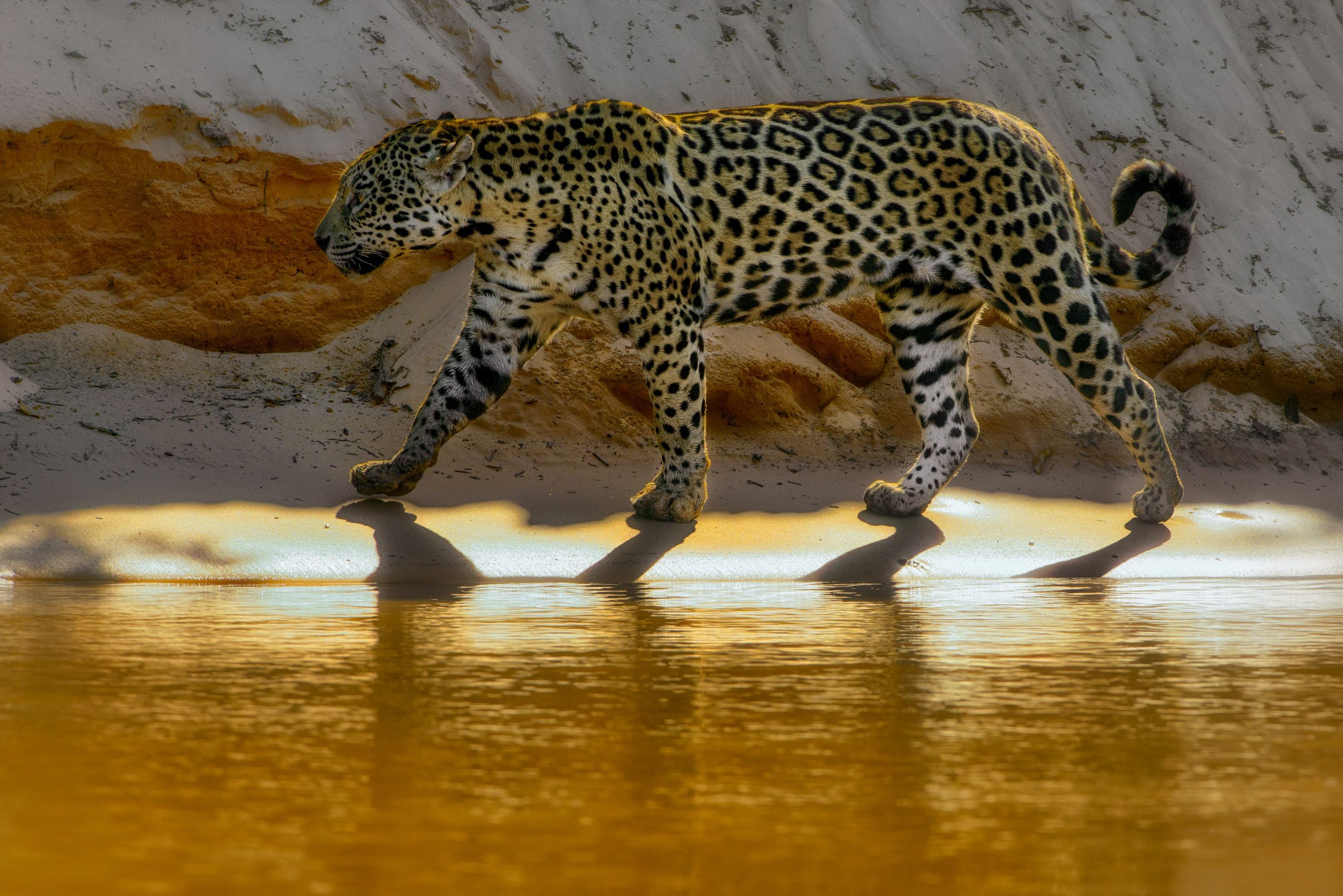
Jaguars are classified as a near-threatened species. Most people who saw WIRE’s posts were upset at the idea of a fur coat made of jaguar skins, but a few said they’d want one. (Simone Sbaraglia)
|
|
|
|
What do you see in a jaguar fur coat?
|
|
|
|
|
By Rachael Bale
June 5, 2026
|
|
|
|
|
WIRE recently had a video go viral, and I’ll admit it: I read the comments. They always say not to, but I wanted to jump in and answer any questions people had. Here’s a glimpse into the rabbit hole it took me down.
First, the post. It shows a fur coat confiscated by law enforcement and explains how many jaguars it took to make: five.
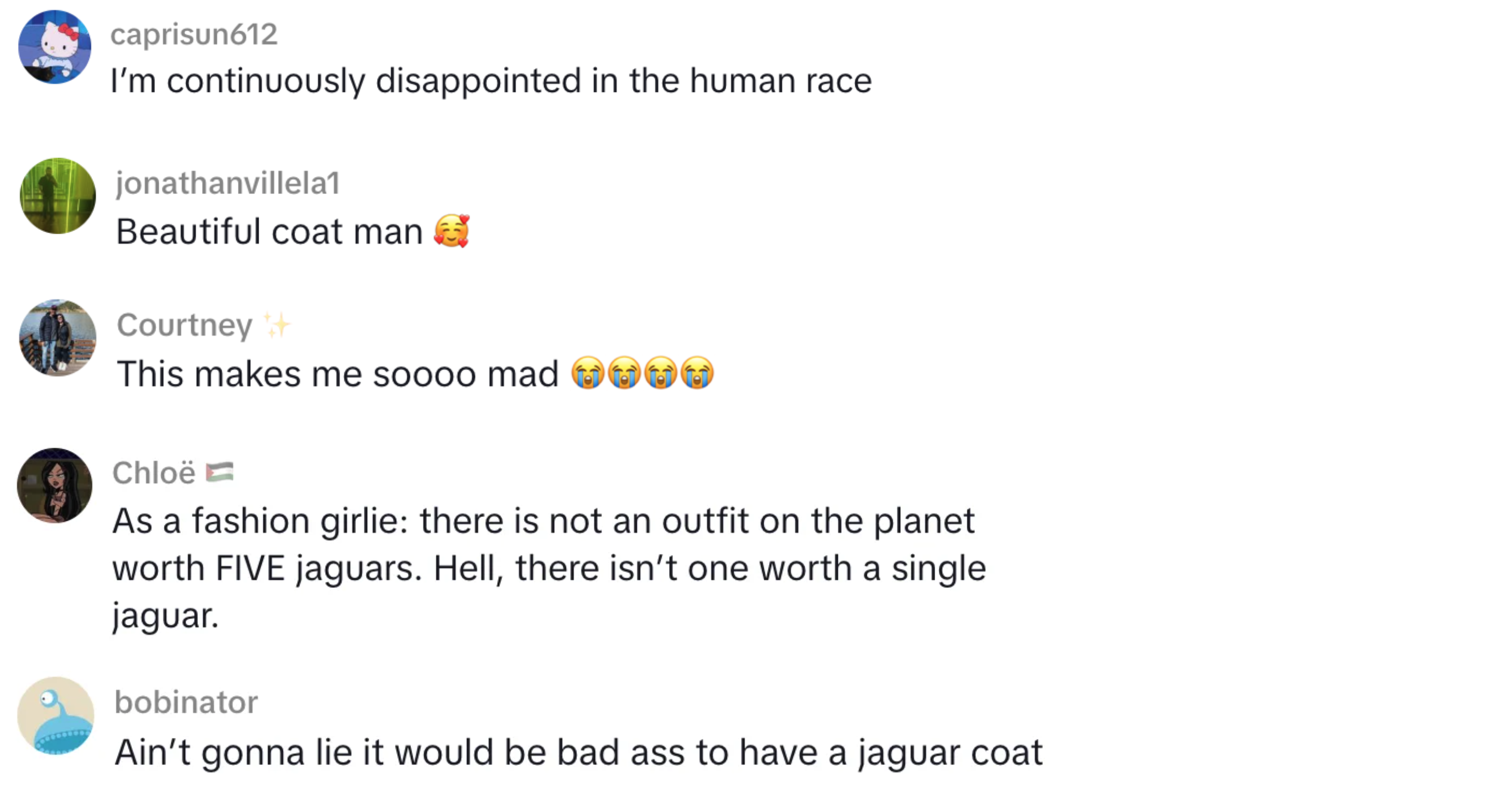
The vast majority of the comments were from people who were shocked and horrified. But sprinkled among the “what is wrong with people”- and “😭💔💔💔💔💔”-type comments were things like ““where can I get one?” And “that’s f****** fire,” which got nearly 450 likes.
|
|
|
|
|
|

|
|
|
|
|
|
46312 likes
|
|
wire_wildlife
|
How many jaguars does it take to make a coat? How many coats does it take to make jaguars extinct? The conservation cost of exotic furs and leathers is even more than you may have realized, says Taliah Farnsworth at the U.S. Fish & Wildlife Service’s National Wildlife Property Repository, where seized illegal products are stored.
Read the full story on our LinkedIn page, Wildlife Investigative Reporters & Editors, and subscribe to our email newsletter through the link in our bio at wireonline.org. 📸🌎
#investigativejournalism #wildlifeconservation
|
|
view all comments
|
|
|
|
|
|
|
|
Most of the comments on TikTok and Instagram were negative, but some reflected admiration and desire for one.
|
|
|
|
|
WIRE’s post made it obvious—or so I thought—that illegally killing multiple jaguars to make a luxury coat is…not a good thing. Apparently some people didn’t get the memo.
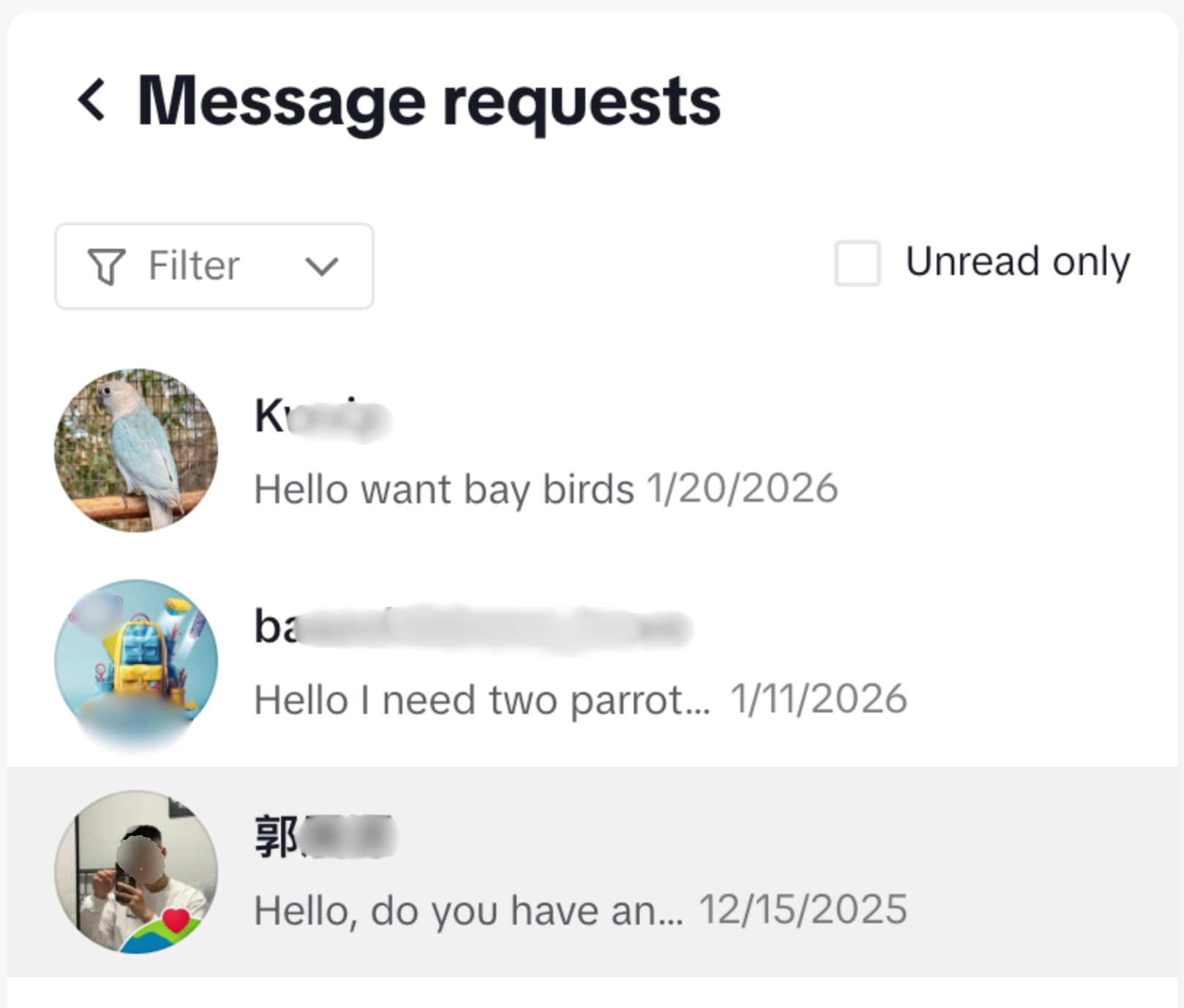
I first started paying attention to this odd little subset of commentary after Katerina Parent, WIRE’s audience engagement specialist, told us about some of the comments and messages on posts about our African grey parrot trafficking investigation last fall. For example:
|
|
|
|
|
We are CLEARLY not advertising endangered parrots for sale. How much more obvious can we make it? Even though this group was in the minority, I still couldn’t help but wonder: Were we inadvertently stoking demand for exotic pets and clothes made from rare animals?
I called up Diogo Veríssimo, a research fellow at Oxford University. He’s a leading expert on what drives people to buy wildlife products and how to change their attitudes, especially through mass media.
“Whenever you have a large audience, there will always be a small subset of people who ignore the context of the post, disagree with it, or simply enjoy provoking reactions from others,” Veríssimo says. “What stands out to me is…how small that group appears to be.”
I showed him the findings of a quick, not-very-scientific sentiment analysis I did of the 11,000+ comments on the jaguar fur coat post on Instagram and TikTok. Factoring in how many times each comment was liked, there were 1,700 responses in the “😭💔😡😳” camps to each one in the “🔥🔥🤩” camp.
So…that’s a relief.
But does any of it matter?
|
|
|
|
|
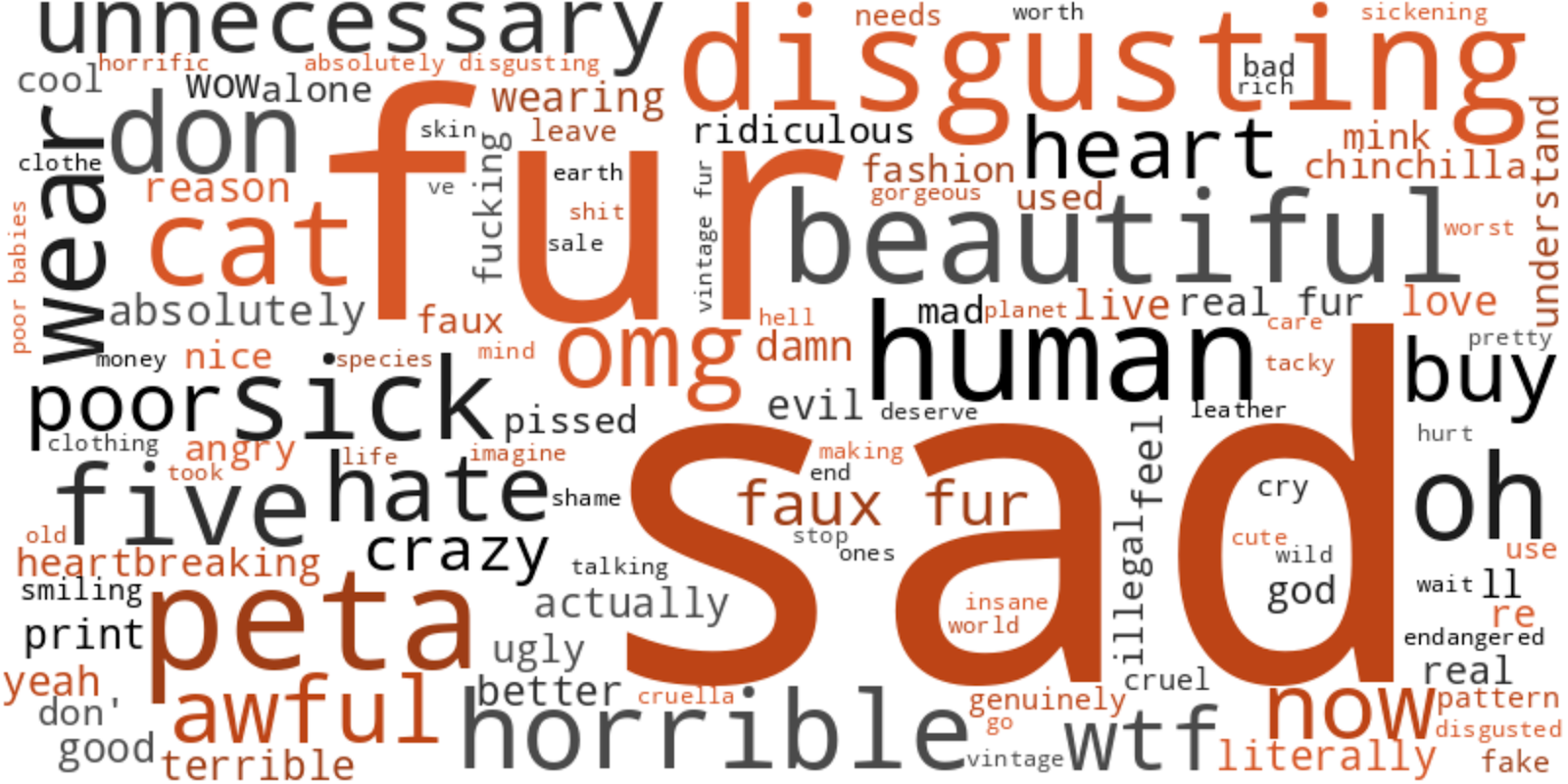
A word cloud generated from a sampling of the TikTok comments helps put into perspective people’s feelings about the jaguar fur coat. (Created with Gemini)
|
|
|
|
|
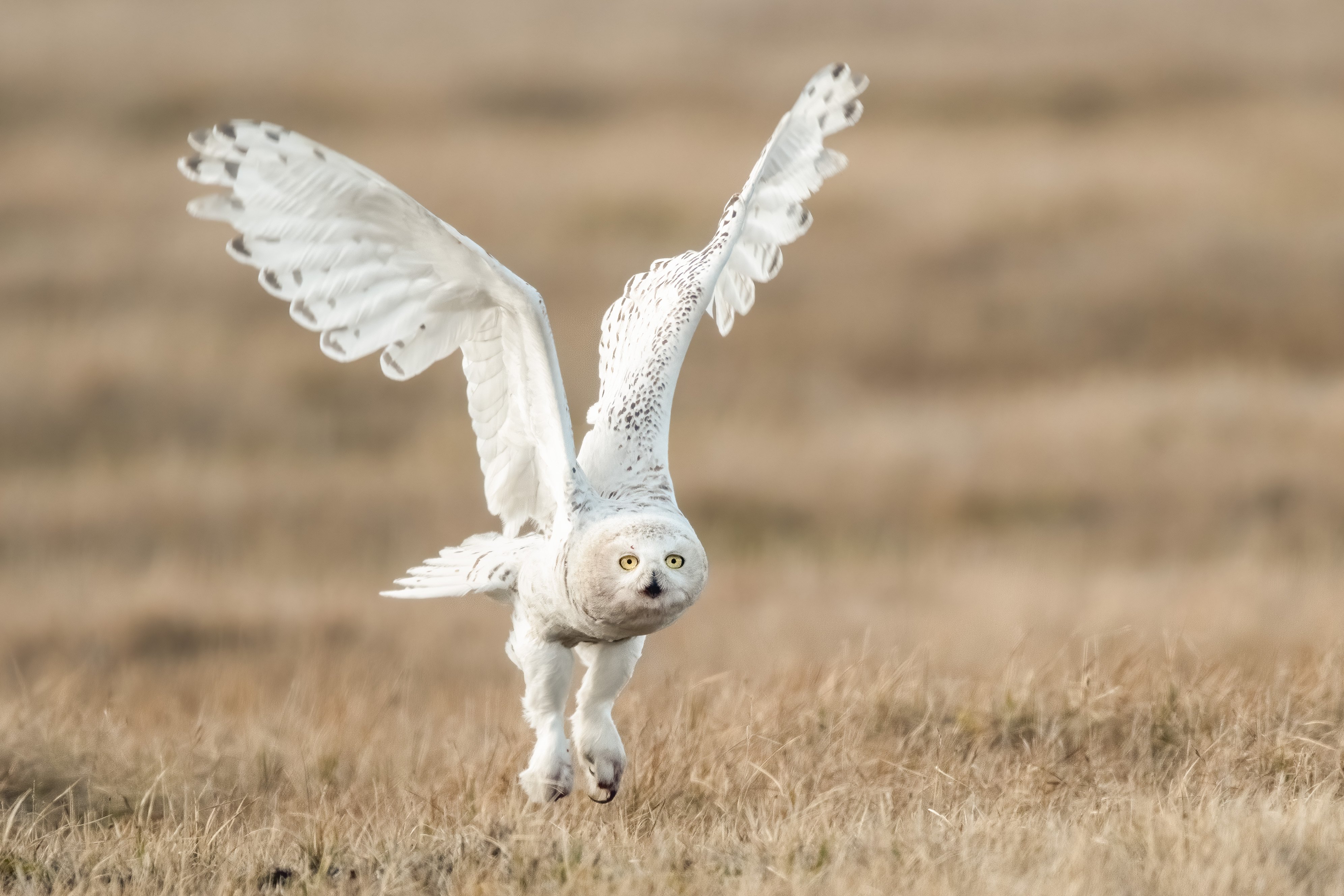
There is still little evidence of how much media coverage affects demand for wildlife products, according to Veríssimo. And crucially, in many cases, interest doesn’t necessarily lead to action. He and his colleagues analyzed demand for owls in the U.K. following the Harry Potter movies and demand for blue tang fish after Finding Dory came out. “In those cases, we found some evidence of increased public interest but not evidence of corresponding increases in acquisition or ownership of those animals,” he says.
That is, of the small proportion of people admiring or asking how to buy the jaguar fur coat, even fewer actually would if given the chance. And that makes sense to me. A jaguar coat is a rare and illegal product, and when it comes down to it, how many people have the resources and appetite for risk to get such a garment?
|
|
|
|
|
Did a friend forward this newsletter to you?
|
|
|
|
|
|
|
|
|
Research has found that the Harry Potter movies increased interest in snowy owls, but not purchases of them. (Melissa Groo)
|
|
|
|
|
“In fact, there is a plausible argument that seeing overwhelming opposition in the comments may actually reinforce social norms against these products,” Veríssimo says. “Those individuals expressing positive views are being exposed to the fact that most people do not share their perspective. From a behavioral science standpoint, making social norms visible can sometimes be persuasive in its own right.”
Admittedly we at WIRE are considering a very small sample size—a few of our most popular social media posts—but we’re constantly brainstorming and reassessing how we can best engage with people. It was heartening to confirm that the people admiring the jaguar coat and asking to buy parrots were firmly in the minority—and that their interest didn’t necessarily signal intent. But more than anything, I was relieved to see how much engagement these posts have sparked. There will always be trolls, but the genuine debates, real discoveries, and raw emotions gives me confidence we’re on the right path.
Thanks for joining me down the rabbit hole into WIRE’s social media comments. If you’re interested in reading more about the effects of mass media on people’s interest in wild animals and products made from them, see:
|
|
|
|
-
Ebola outbreak: The Congolese government has confirmed more than a thousand suspected cases of Ebola and at least 220 deaths since the outbreak was declared on May 15. Research shows that Ebola is generally not spread in food. But cases have been associated with hunting, butchering, and processing meat from infected animals—bats, rodents, primates—to supply the demand for commercial bushmeat in urban centers such as Kinshasa, the capital of the Democratic Republic of Congo, with nearly 22 million residents.
- Visas banned: The U.S. State Department has restricted visa access for 24 individuals and separately revoked the travel documents of former Argentine official Pablo Ferrara Raisberg and Mexican national Jose Ali Amador over alleged involvement in illegal, unreported, and unregulated (IUU) fishing. Ferrara, previously a Foreign Ministry representative on the Federal Fisheries Council, is accused of corrupt activities in relation to an incident involving illegal Patagonian toothfish (Chilean seabass) that prompted his resignation in 2024. Amador faces charges of illegally catching endangered fish species and supporting trafficking networks along the U.S.-Mexico border.
-
Moon bear liberation: Authorities in Laos, working with the conservation group Free the Bears, rescued 27 young Asiatic black bears (aka moon bears) from an illegal bear bile farm. The bears, believed to have been taken from the wild as cubs after their mothers were killed, were confined in tiny cages for bile extraction. Bear bile, which contains a compound used in traditional medicine, is sold for purported health benefits, despite the availability of synthetic or plant-based alternatives.
-
Amazon gold rush: As gold prices have soared, a new Greenpeace investigation reveals that wildcat miners are using inactive or "ghost permits" to launder illegally mined gold from Indigenous territories and protected areas in the Amazon. Mercury waste from illegal mining is poisoning rivers and streams.
|
|
|
|
Strange, but true
In 2019, police in Brazil's Piauí state arrested an unusual suspect: a pet parrot allegedly trained as a lookout to warn drug dealers by squawking “Mamãe, polícia!” (“Mom, police!”) whenever authorities approached. After being taken into custody, the bird reportedly stayed loyal to its accomplices, refusing to say another word.
|
|
|
|
Like this newsletter? Share it!
|
|
|
|
|
|
|
|
Support WIRE
WIRE runs on curiosity, persistence, and generous support from people who care deeply about what happens to wildlife when no one else is watching. Investigative reporting takes time, expertise, and financial resources, especially when stories cross borders and powerful interests. Our work is funded by readers like you who believe these stories matter. Monthly supporters give us the stability to report deeply, publish independently, and follow the consequences of our investigations. If that resonates, you can support our work here:
|
|
|
|
|
|
|
|
|
Wildlife Investigative Reporters & Editors
Independent, nonprofit journalism exposing wildlife crime and exploitation of nature.
Get in touch: [email protected]
|
|
You received this email because you signed up on our website or made a donation.
|
|
|
|
|
|