|
|
Behind the headlines: The author of Poached on what it takes to report on wildlife crime
|
͏ ͏ ͏ ͏ ͏ ͏ ͏ ͏ ͏ ͏ ͏ ͏ ͏ ͏ ͏ ͏ ͏ ͏ ͏ ͏ ͏ ͏ ͏ ͏ ͏ ͏ ͏ ͏ ͏ ͏ ͏ ͏ ͏ ͏ ͏ ͏ ͏ ͏ ͏ ͏ ͏ ͏ ͏ ͏ ͏ ͏ ͏ ͏ ͏ ͏ ͏ ͏ ͏ ͏ ͏ ͏ ͏ ͏ ͏ ͏ ͏ ͏ ͏ ͏ ͏ ͏ ͏ ͏ ͏ ͏ ͏ ͏ ͏ ͏ ͏ ͏ ͏ ͏ ͏ ͏ ͏ ͏ ͏ ͏ ͏ ͏ ͏ ͏ ͏ ͏ ͏ ͏ ͏ ͏ ͏ ͏ ͏ ͏ ͏ ͏ ͏ ͏ ͏ ͏ ͏ ͏ ͏ ͏ ͏ ͏ ͏ ͏ ͏ ͏ ͏ ͏ ͏ ͏ ͏ ͏ ͏ ͏ ͏ ͏ ͏ ͏ ͏ ͏ ͏ ͏ ͏ ͏ ͏ ͏ ͏ ͏ ͏ ͏ ͏ ͏ ͏ ͏ ͏ ͏ ͏ ͏ ͏ ͏ ͏ ͏
|
|
|
|
|
Voices and updates from the front lines of wildlife crime and exploitation of nature
|
|
|
|
|
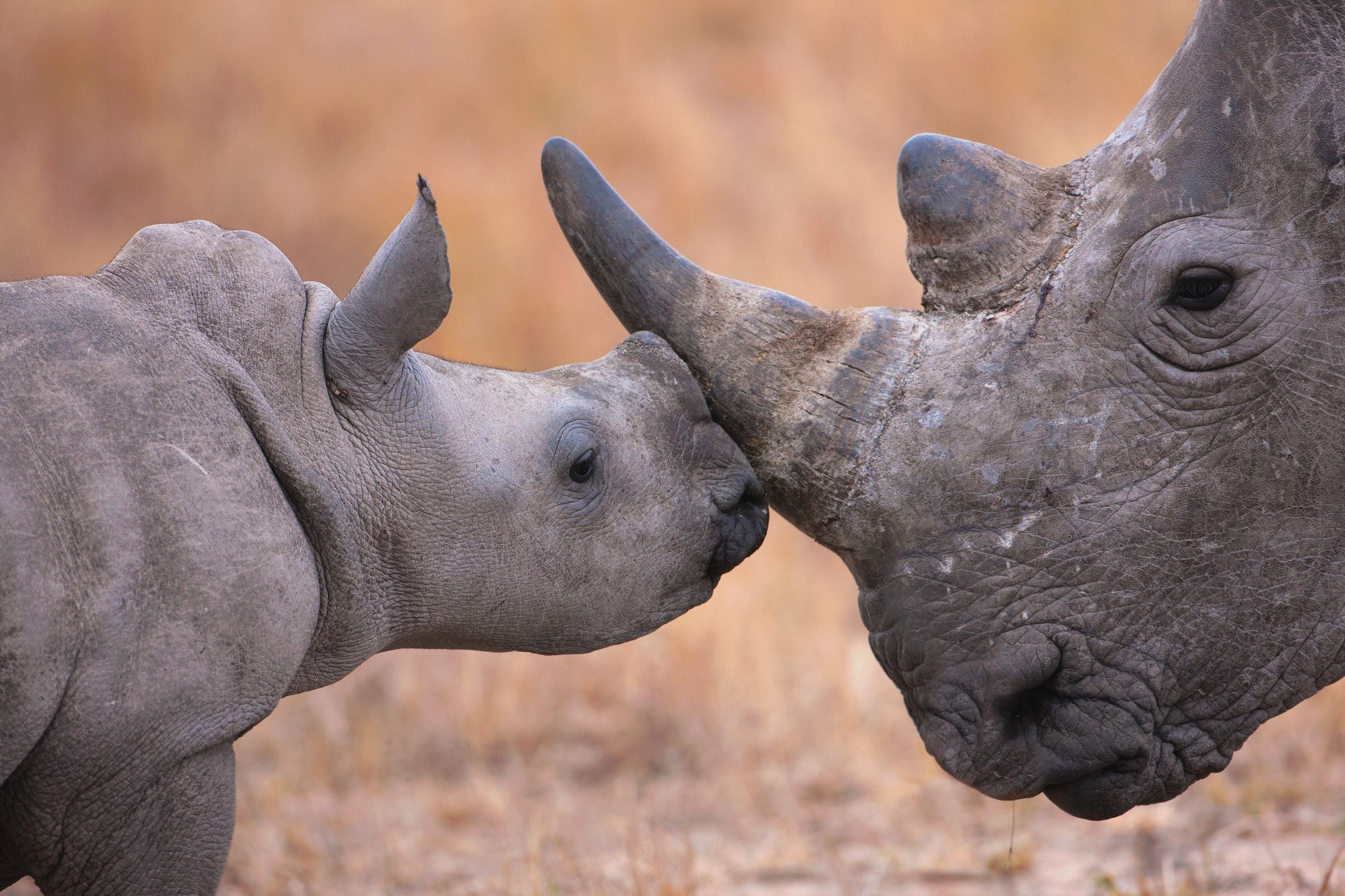
A young southern white rhinoceros in South Africa nuzzles its mother. Despite decades of conservation efforts, as many as 600 of these rhinos are poached each year for their horns for traditional medicine markets. (Martin Harvey)
|
|
|
|
A conversation with the author of Poached, Inside the Dark World of Wildlife Trafficking
|
|
|
|
|
By Rene Ebersole
April 10, 2026
|
|
|
|
|
Few writers have delved deeper into the shadowy underworld of animal smuggling than New York-based journalist Rachel Nuwer, author of Poached, Inside the Dark World of Wildlife Trafficking. Her reporting for The New York Times, National Geographic, Scientific American, and many other outlets, has helped illuminate the hidden networks threatening species and ecosystems around the globe.
I admire her because she’s a fearless journalist, and because we both started in ecology before embarking on careers that have taken us to distant corners of the world covering subjects we care about, from biodiversity loss and environmental crime to habitat destruction and climate change. I recently chatted with Rachel about Poached and “The School for Wildlife Traffickers”—a scoop she brought to The Economist exposing how a children’s orphanage in Malawi became entangled with criminal wildlife networks.
|
|
|
|
|
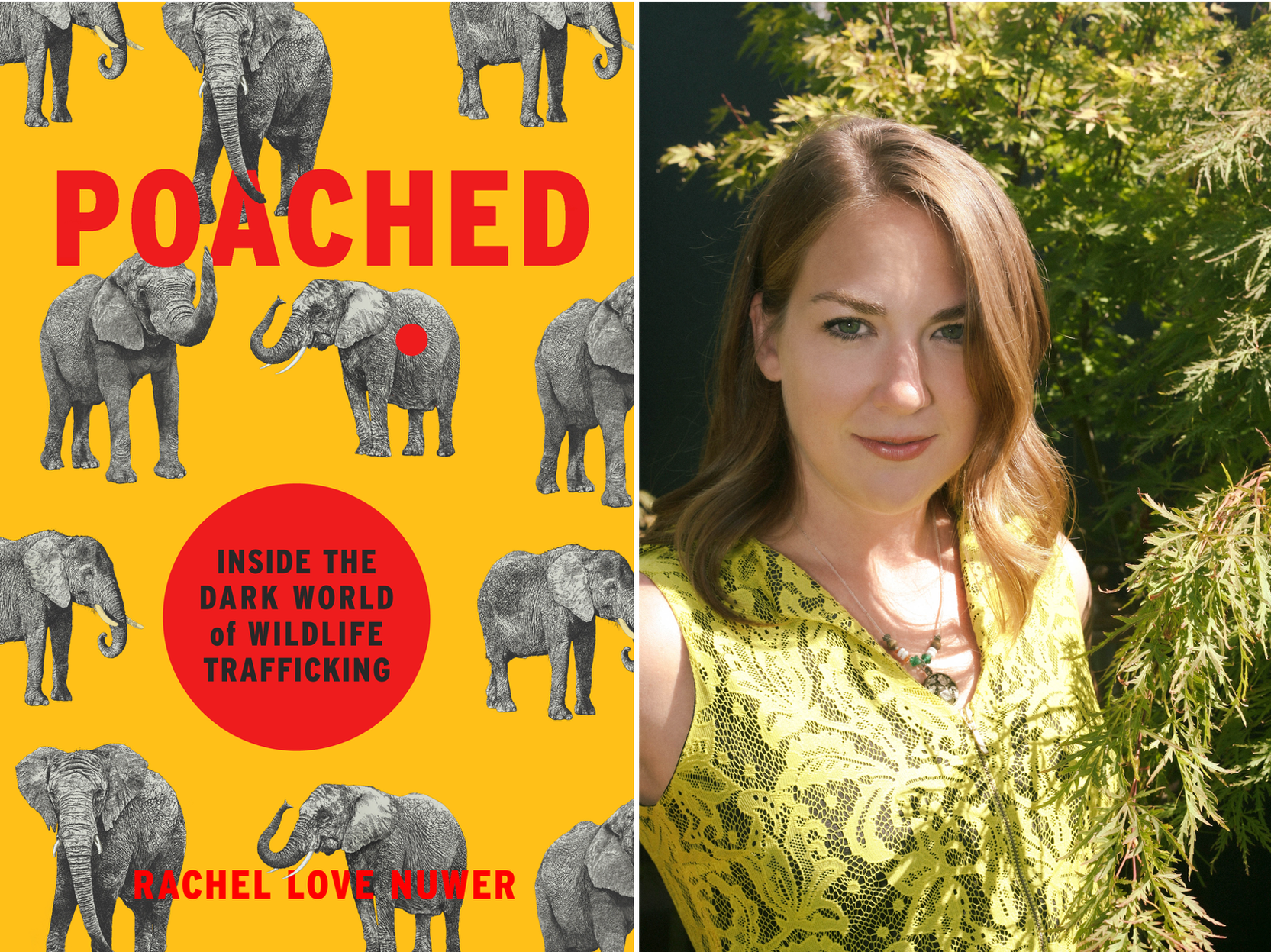
Author Rachel Nuwer and her book Poached, Inside the Dark World of Wildlife Trafficking (Courtesy of Rachel Nuwer)
|
|
|
|
|
WIRE: What inspired you to explore the world of wildlife trafficking and write Poached?
Rachel Nuwer: I came into science journalism right after completing a master's in ecology. For my thesis, I investigated natural resource use in a couple national parks in Vietnam. I met professional poachers who told me they were hunting the region's last pangolins and described the exorbitant amount of money they could get for those animals. While I was in the country, news also reached me that wildlife officials had just found Vietnam's last Javan rhino, poached with her horn hacked off. I really wanted to know more about what was going on, including who was paying all this money to make poachers like the ones I was interviewing go through all the trouble to hunt these animals to extinction. I wanted to write a book, because that was the only way I'd be able to dive deep enough into the topic to satisfy my own curiosity and also convey to readers some of the complexity of what's going on.
WIRE: How did you choose which stories and regions to include?
RN: I organized the book into three rough sections: drivers of demand, impacts in the field, and solutions. I knew the broad strokes I wanted to include, such as rhino horn, ivory, exotic pets, and traditional medicine. But under all of those categories were potentially hundreds of different stories I could have pursued. In the end, it really came down to a mix of stories I felt were important to tell and could actually access. I sent lots of queries to sources who didn't respond or were not willing to meet with me for various reasons, from logistics and timing to the sensitivity of their work.
|
|
|
|
|
Did a friend forward this newsletter to you?
|
|
|
|
|
|
|
|
|
WIRE: Can you describe a moment during your research that fundamentally changed your understanding of the wildlife trade?
RN: The research process was really a wake up call in so many ways that it's difficult to choose one thing. I'm thinking about everything from meeting actual poachers and realizing that they're just poor men trying to make ends meet—something that seems so obvious to me now, but prior to those encounters, I really had the flawed view of demonizing these individuals. Attending the CITES Conference of the Parties also opened my eyes to the fact that major conservation decisions are oftentimes not based on science (or just science) but on politics and profit. The biggest lesson, though, was probably the sheer amount of corruption that exists in this space, and that it's really the driving force behind much of the illicit wildlife trade. [The CITES Conference of the Parties is the periodic meeting where countries decide how wildlife trade is regulated.]
This corruption and the fact that countries just don't take wildlife crime seriously enough leads to a tremendous amount of impunity. This was on full display, for example, when I met a rhino horn user at a busy Hanoi restaurant, and he brought his rhino horn out at the dining table and began enthusiastically demonstrating how he prepares it for his buddies. Imagine taking a big bag of cocaine out and doing lines on the table at a crowded restaurant in NYC—you would very likely be kicked out of the restaurant, and the police might even be called! Yet in this case, no one batted an eye.
WIRE: What first alerted you to the story of the orphanage in Malawi and its alleged links to wildlife trafficking?
RN: I've been reporting on wildlife trade and trafficking issues in Africa for 15 years, so I have a lot of sources on the ground. Years ago, when the main subject of the investigation, Yunhua Lin, was prosecuted, one of my sources mentioned this orphanage to me, and I immediately hooked onto that because it sounded so incredible. But they hadn't gathered enough evidence about it yet. So I put a pin in it and said, hey, when this is ready, I would love to hear more about it.
And then, indeed, when it was ready, they came back to me. But even at that time, I had my doubts, because it just sounded like such an incredible claim—an orphanage that is grooming children to become wildlife traffickers. Before I brought anything to an editor, I had to make sure that this actually was the case. It took a year or so of me telling them to get more evidence and looking into things myself, for me to be convinced this was a big story.
|
|
|
|
|
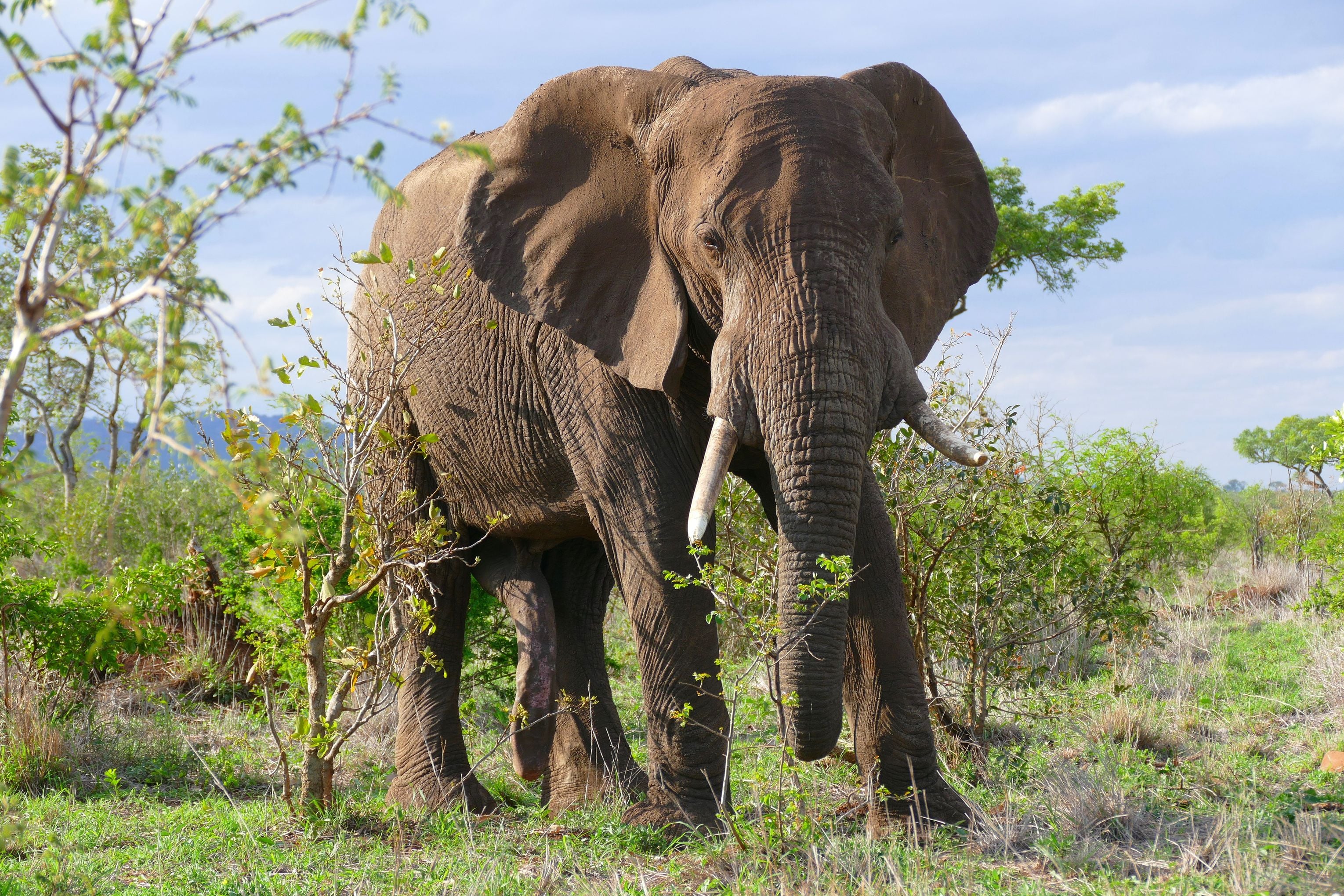
Roughly 20,000 elephants are killed each year for their ivory. (Bernard Dupont)
|
|
|
|
|
WIRE: Can you walk us through how the idea evolved from a tip into a full-length feature?
RN: From there, it was the difficult task of finding a home for a 4,000-word story, because I knew it wasn't something that I could just do from my desk here in Brooklyn. You know, it would require going to the field, seeing this organization myself, interviewing, especially the people who were involved. So it was months of trying to get grants and failing at that.
EventuallyThe Economist said, You know what? Fine, we'll just pay for it. And they gave me a set amount of money to do it. So fortunately, it got done, but that delayed things by several months.
WIRE: Did you encounter resistance when shaping the story?
RN: The big thing was, how much do we focus on wildlife trafficking versus how much do we focus on this orphanage also committing all kinds of abuses and atrocities against the children in their care. I really wanted to do both. But The Economist editors felt that child abuse is rife and what made this story unique is the wildlife trade aspect.
Some of the abuse stuff wound up getting taken out, but I did make a case to keep some of it. Talking to the children who had graduated from there (they’re in their 20s now), their stories were horrific.
WIRE: Stories like this are not as easy to get published as they used to be. Do you think there’s a lack of appetite for them? Or is it likely because they’re so costly to report?
RN:I think it's both. I have felt like since the pandemic, there's been a retraction of appetite in the U.S. for international stories. I don't know if that's a reflection of budgets or reflection of what they see their readers consuming on their websites. The refreshing thing about The Economist is they have this international outlook.
|
|
|
|
|
WIRE: Is there more to investigate?
RN: There’s still a question, is Yunhua Lin going to be let out of prison? Is he just going to resume activities? He’s still really doing a lot of his activities from behind bars, with his cell phone and with all the associates who get to visit him all the time.
|
|
|
|
|
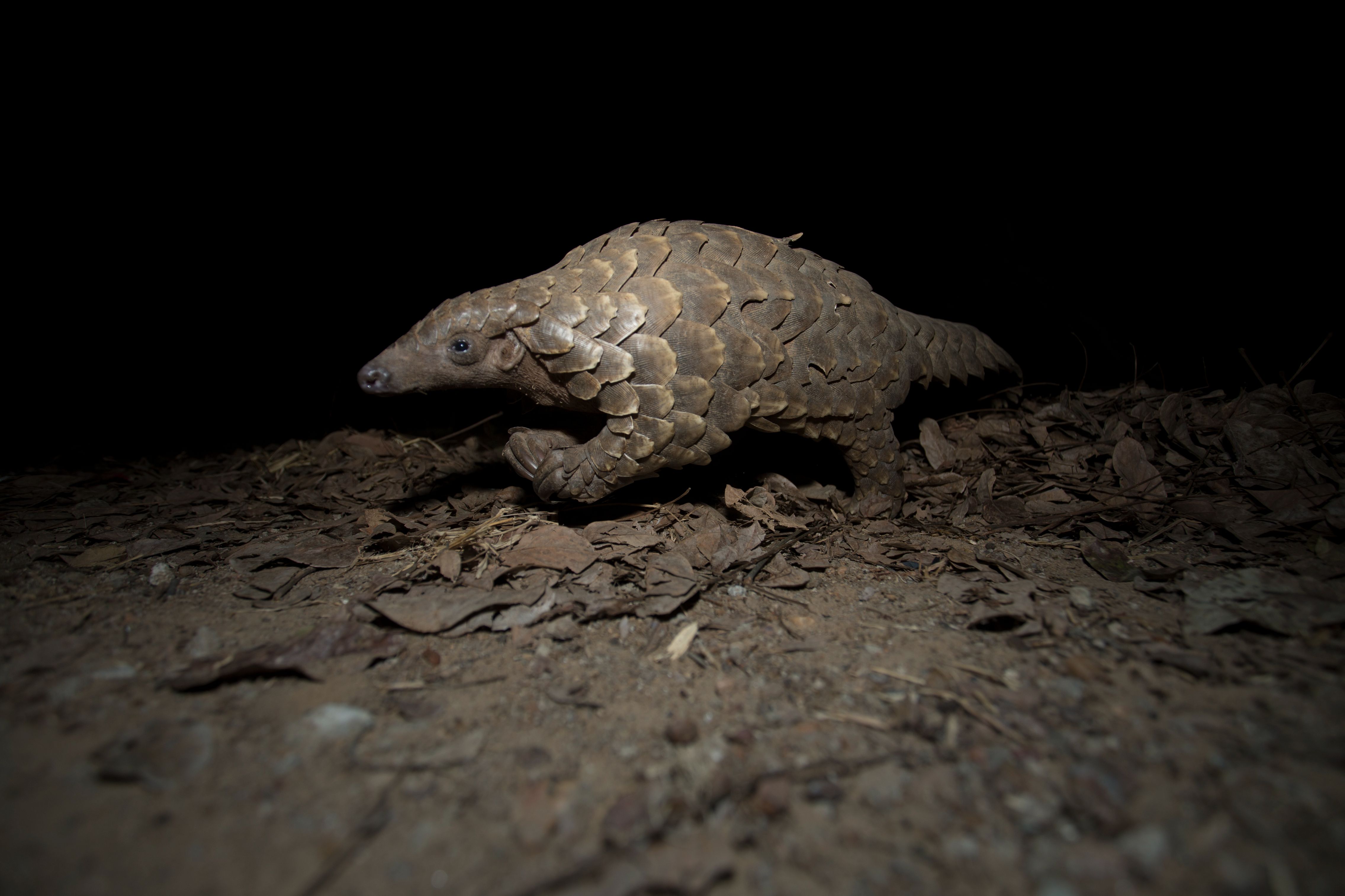
Pangolins, like this Temminck’s species, curl into a tight ball when threatened—a defense that makes it easy for poachers to collect them, contributing to their plight as one of the most heavily trafficked mammals in the world. (Luke Massey)
|
|
|
|
|
WIRE: How do you balance big investigations like this with other work?
RN: That’s such a good question. I would love to spend all my time doing complex investigations, but I would not be able to pay my mortgage. I love this kind of meaty work because to me, it's the most rewarding. It’s the work that will most likely affect some sort of positive, real change in the world. My story from Malawi has been cited in the courts. It was used to help get Lin's bail rejected, and I think it's really opened people's eyes in Malawi that these orphanages need to be looked into.
That said, these stories, especially for a freelancer, just the hours and hours of work that go into them, they don't pay well, and there's not that many opportunities left to do stories like this.
WIRE: What do you hope people take away from this piece?
RN: For policymakers, I really hope that Malawi will look into this orphanage and change the way it's doing business, and also keep Lin behind bars, and get more serious about cracking down on his network. But honestly, I just don't know how realistic that is because of the depth of the corruption in Malawi right now. I hope that this reaches policymakers in other countries as well, because I think it's their pressure that can really change things. International pressure contributed to Lin's arrest and his prosecution, whereas before he was just acting with pure impunity.
To read more of Rachel Nuwer’s work, visit her website, where you can buy her book, Poached, Inside the Dark World of Wildlife Trafficking, or ask for it at your local bookstore.
|
|
|
|
|
Our website gets an upgrade: Thanks to our web developer, Patrick Wellever—founder and principal consultant at Typenode—WIRE’s website now features improvements designed to better serve our growing community, including an archive of our newsletters. Patrick brings experience at the intersection of journalism and technology, with past roles at National Geographic, MediaStorm, and MIT’s Knight Science Journalism program. With an editor’s eye and a knack for solving problems, Patrick has built and sharpened our site to support WIRE’s mission of advancing investigative wildlife journalism.
Award nomination: WIRE’s inaugural investigation, “The Parrot Cartel”, has been nominated for a Deadline Award for magazine investigative reporting. Organized by the Deadline Club, the 2026 awards received more than 500 entries, from which finalists were selected, with winners to be announced at the annual awards dinner on Thursday, May 14, at the Harvard Club in New York City.
|
|
|
|
|
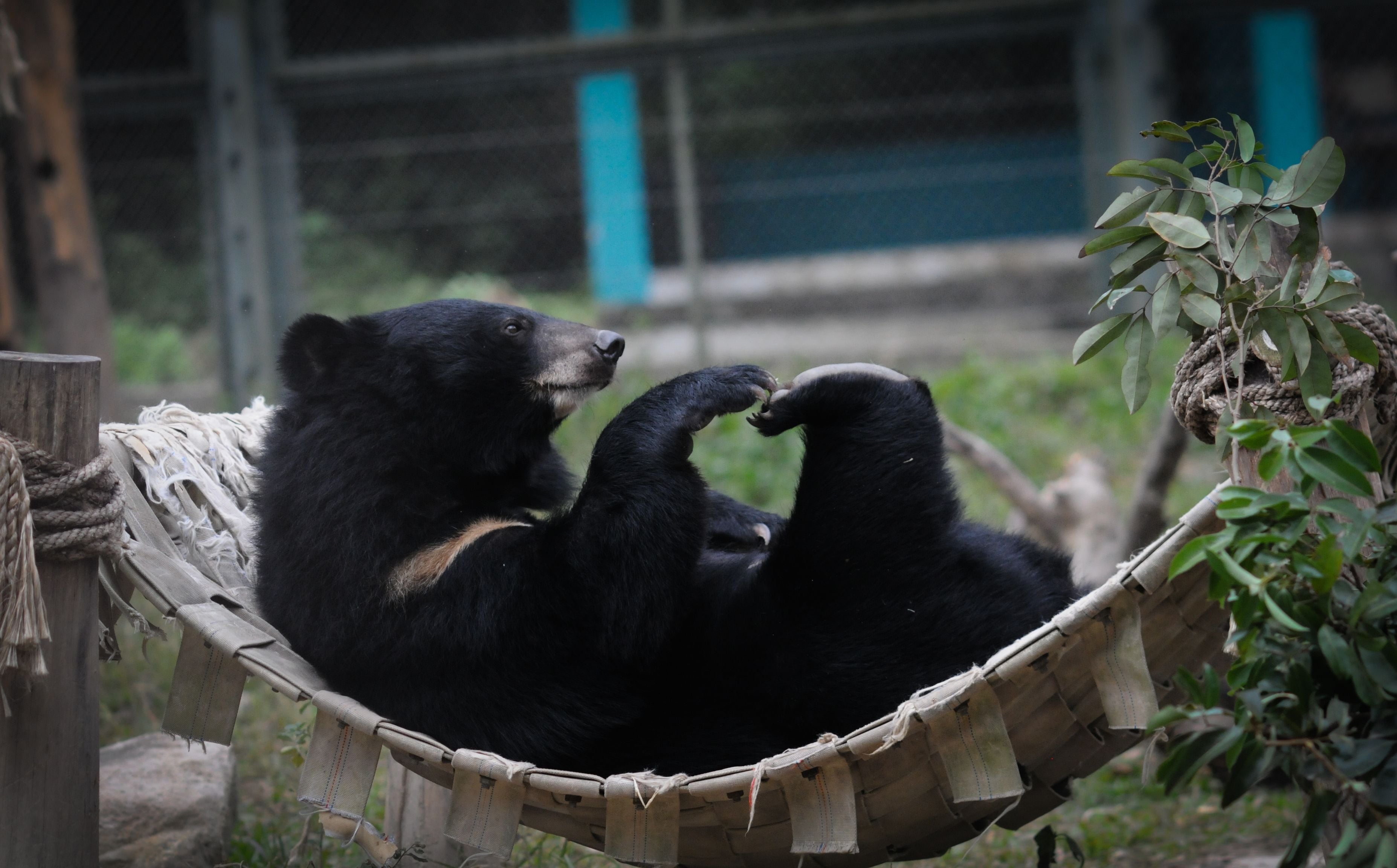
An Asiatic black bear rescued from the bear bile trade recovers at a sanctuary in Vietnam. Bile farmers keep the animals in small cages, subjecting them to painful, invasive procedures to collect bile for traditional medicine. (Jo-Anne McArthur/We Animals)
|
|
|
|
-
Seized: More than 400 bear gall bladders, 600 python gall bladders, and dozens of “compressed pieces” suspected to be parts of tigers and primates were among a record-breaking seizure made by Malaysian wildlife authorities on April 4. The haul, valued at more than nine million dollars, is believed to belong to a major international trafficking network.
-
All your eggs in one…suitcase: When Dutch authorities found 261 parrot eggs in the carry-on luggage of a couple flying from Central America to Asia, one of the eggs was already hatching. Suspected to have been taken illegally from the wild, the chick and the rest of the eggs have been transferred to a specialized care facility. Watch a video of the discovery, including the hatching chick, here.
-
“No skulls with bullet holes”: For trafficking more than a hundred wildlife parts, including orangutan, tiger, pangolin, and polar bear skulls, a Massachusetts man has been sentenced to eight months in prison and a $75,000 fine. During the trial, the court was shown texts between Adam Bied and a poacher in Cameroon discussing hunting and killing endangered chimpanzees and gorillas. “I need rare things for my customers,” one text from Bied said. “No skulls with bullet holes.” You can read some of the text exchanges on page 13 of the government’s sentencing memo here.
|
|
|
|
|
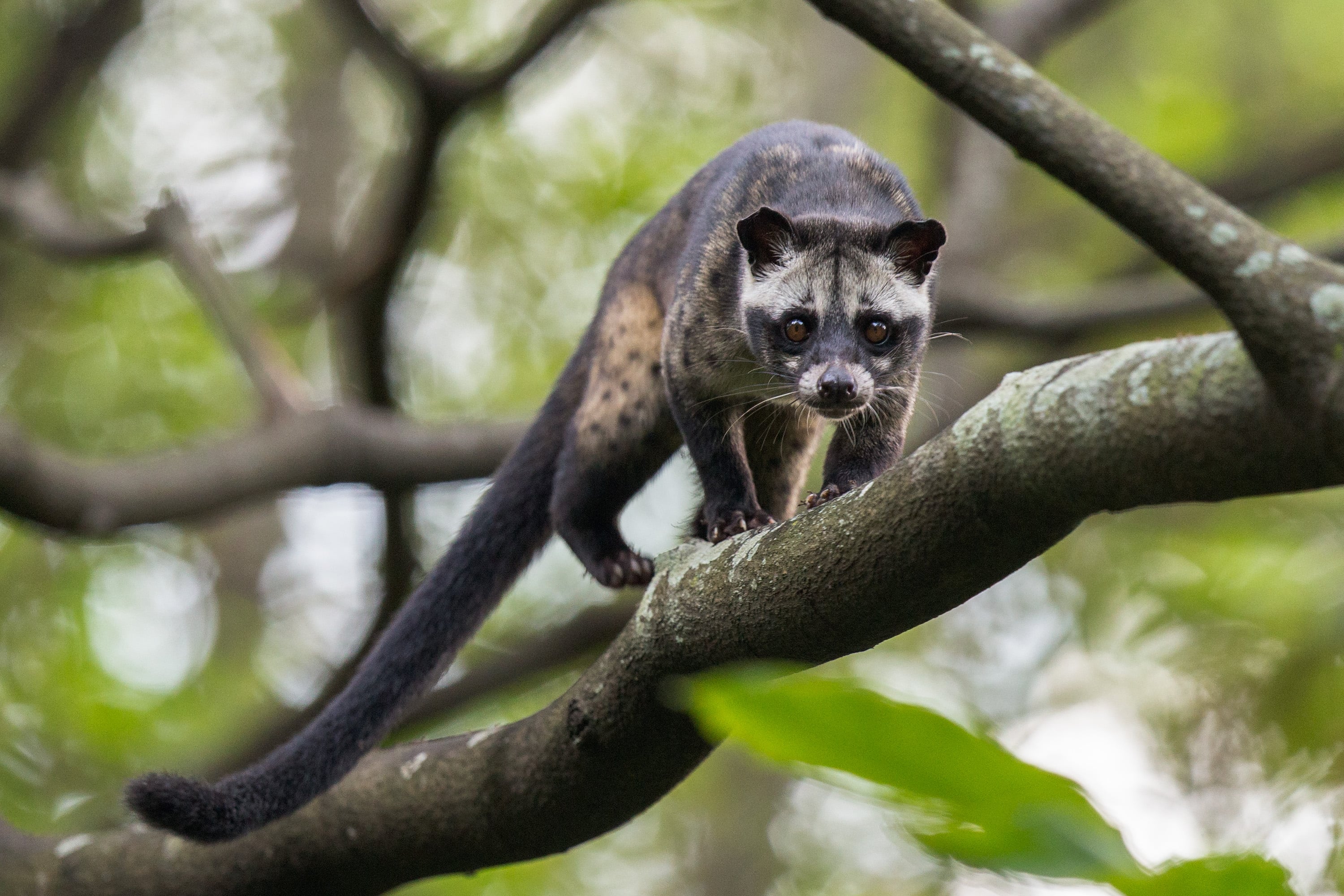
Civets, like this Asian palm civet, belong to a family of cat-like carnivores that includes binturongs and genets. Hyenas, mongooses, and cats themselves are also distant cousins. (Francis Yap)
|
|
|
|
Strange, but true
The world’s most expensive coffee is made from beans pooped out by palm civets—small, cat-like creatures found in Southeast Asia that eat coffee cherries and other fruits. It’s called kopi luwak, and the beans can sell for more than $100 a pound. The civet’s digestive enzymes and gut microbes alter the chemical composition of the beans, making for a smoother cup of coffee. The civet coffee industry has grown increasingly exploitative. Today, especially in Indonesia, civets are confined to battery cages on coffee plantations to produce the beans and to show off to unwitting tourists. Some specialty companies sell beans they say are sourced only from wild civets, but the claims can be difficult to verify.
|
|
|
|
Like this newsletter? Share it!
|
|
|
|
|
|
|
|
Support WIRE
WIRE runs on curiosity, persistence, and generous support from people who care deeply about what happens to wildlife when no one else is watching. Investigative reporting takes time, expertise, and financial resources, especially when stories cross borders and powerful interests. Our work is funded by readers like you who believe these stories matter. Monthly supporters give us the stability to report deeply, publish independently, and follow the consequences of our investigations. If that resonates, you can support our work here:
|
|
|
|
|
|
|
|
|
Wildlife Investigative Reporters & Editors
Independent, nonprofit journalism exposing wildlife crime and exploitation of nature.
Get in touch: [email protected]
|
|
You received this email because you signed up on our website or made a donation.
|
|
|
|
|
|