|
|
David Quammen on bird flu, wildlife trade, and the rise of spillovers
|
|
|
|
|
Voices and updates from the front lines of wildlife crime and exploitation of nature
|
|
|
|
|
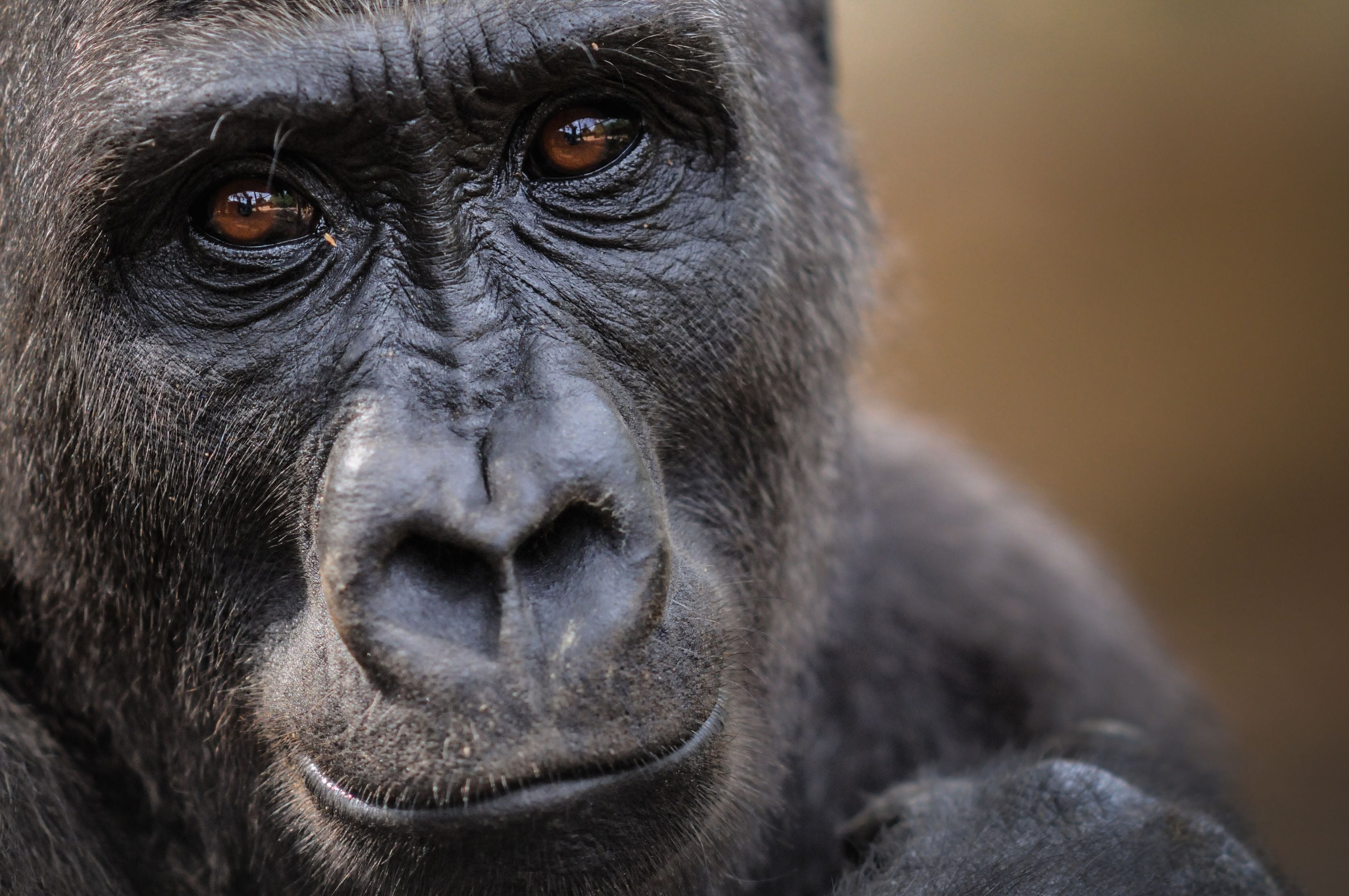
Ebola outbreaks in the early 2000s killed more than 90 percent of endangered western lowland gorillas in one affected area of Central Africa. (Jo-Anne McArthur)
|
|
|
|
There will be a next big one.
|
|
|
|
|
By Rene Ebersole
June 19, 2026
|
|
|
|
|
David Quammen wishes he’d gotten it wrong.
Back in 2012, after years of reporting for his book Spillover: Animal Infections and the Next Human Pandemic, he landed on a prediction:
Yes, there will be a Next Big One. It will be caused by a virus. That virus will be new to humans, coming out of a wild animal… very possibly a bat… very possibly a coronavirus or influenza virus… under conditions of close contact between humans and wild animals—such as in or around a wet market in, say, China.
Quammen wasn’t peering into a crystal ball. He was drawing on years of conversations with virologists, epidemiologists, and field researchers tracking how viruses move—silently, repeatedly—between wildlife and people.
And then it happened.
On March 11, 2020, the World Health Organization announced that a novel coronavirus, thought to have crossed from animals into humans in Wuhan, China, had become a global pandemic. Air travel halted, borders closed, and daily life around the world ground to a stop. In the next three years, COVID-19 killed more than seven million people, according to official data, but the WHO estimates the actual death toll as closer to 21 million.
|
|
|
|
|
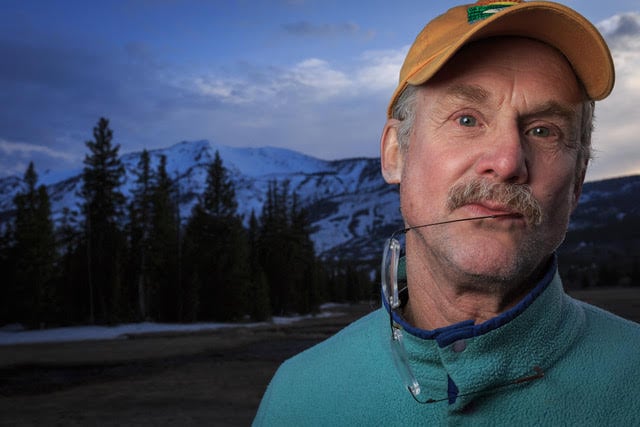
David Quammen’s reporting on Ebola, coronaviruses, and other zoonotic diseases has helped popularize “spillover”—the moment a pathogen spreads from animals to humans, sometimes with catastrophic global consequences. (Ronan Donovan)
|
|
|
|
|
COVID-19 may be mostly in the rearview now, but animal-borne diseases continue to make headlines. Since 2022, over 100,000 cases of Mpox (monkeypox) have been confirmed in more than a hundred countries. Highly pathogenic avian influenza (H5N1) has spread beyond wild bird populations, jumping into dozens of mammal species, including North American dairy cattle, marine mammals, and seabirds from the Arctic to Antarctica. And in 2026, Ebola is resurgent again, in the Democratic Republic of Congo and Uganda, with more than 800 confirmed cases and 200 deaths. Officials say this ongoing outbreak is almost certainly underreported, given the difficulties of disease surveillance and treatment in such conflict-driven regions. If transmission rates continue to rise, they warn it will become the worst Ebola outbreak on record, lasting as long as a year and infecting thousands of people.
Each new disease outbreak is unique, but the underlying story is always the same: A pathogen finds an opening that allows it to leap across the species divide. And that opening usually comes from the way people are reshaping nature and interacting with animals—clearing forests for agriculture or mining, intensifying livestock production, moving wildlife through legal and illegal trade networks that put species, and their microbes, into unnaturally close contact with humans.
|
|
|
|
What’s surprising isn't that spillovers keep happening, Quammen lamented. It's that we continue to treat each outbreak as though it arrived out of nowhere.
|
|
|
|
|
“Viruses don’t walk, they don’t run, they don’t swim, they don’t fly—they ride, and they spill over,” Quammen told me when we spoke recently about the wave of animal-borne diseases in the news, and a new Science study examining how wildlife trade contributes to disease transmission. “They’re always out there. What changes is whether we give them the chance to move.”
The term “spillover” has become lodged in the public consciousness largely because of Quammen’s writing in magazines and books, yet he believes many people today still don’t understand what it means. That’s because “most people don't pay attention to science, and a lot of people even distrust and deny science,” he said. “So there's resistance to absorbing the clear warnings and the present danger of spillover of new viruses, in particular from wild animals.”
|
|
|
|
|
Did a friend forward this newsletter to you?
|
|
|
|
|
|
|
|
|
Sure, the word “spillover” is in the public discourse, he continued, but that’s not enough. “I've been yammering about it since 2012, and a lot of other people, writers and scientists, have been talking about it. We still have to talk louder and more often and more effectively about it to get more people to understand.”
Quammen’s path to writing about zoonotic diseases began when he read Richard Preston’s 1994 nonfiction thriller, Hot Zone, a Terrifyingly True Story, about the origins of hemorrhagic fevers like Ebola and Marburg and the military efforts to contain a potential outbreak in the suburbs of Washington, D.C. One of the main characters in Preston’s book was virologist Karl McKibben Johnson, nicknamed “Doctor Ebola,” the disease scientist who led the international response to the first Ebola outbreak, in 1976.
When Johnson moved to Quammen’s hometown, Bozeman, Montana, the writer and the scientist found friendship and a shared passion for fly-fishing. Their conversations led Quammen deeper down the rabbit hole of infectious disease research.
He later embarked on an assignment for National Geographic where he periodically joined an expedition that began in 1999 with an explorer-scientist named Mike Fay, who was trekking across Central Africa on a historic 2,000-mile foot journey—the MegaTransect. They traveled through dense forests and remote villages in the Republic of Congo and Gabon, where Ebola was lurking.
“There had been a human outbreak in a village at the edge of this forest, and we knew that the reservoir host of Ebola was somewhere in that forest,” Quammen remembered. “We walked through that forest for 10 days in sandals and shorts, eating out of a common pot at the campfire each night, and wondering which animal around us was carrying the Ebola virus.”
Though the forest was pristine, there was an eerie void. “The absence of gorillas was like a deafening silence telling us that Ebola was there,” Quammen said. “It had burned through that area and killed a lot of chimpanzees and gorillas, as well as people.”
So far, there have been no new reported gorilla infections from the current Ebola outbreak. Still, this particular horror is unfolding against the backdrop of increasingly frequent spillover events worldwide. In 2023, Equatorial Guinea confirmed its first-ever outbreak of Marburg, a deadly hemorrhagic fever that can be transferred to humans who have prolonged exposure to mines or caves inhabited by Egyptian fruit bats. Researchers have found the virus that causes COVID-19 is circulating in wild white-tailed deer across North America, demonstrating that once a pathogen leaps into humans, it can jump back into wildlife and establish entirely new reservoirs.
What’s surprising isn't that spillovers keep happening, Quammen lamented. It's that we continue to treat each outbreak as though it arrived out of nowhere.
When asked what worries him most today, Quammen considered the question thoughtfully. “There are so many possible things to keep you up at night,” he said. “Wars. Nuclear weapons. How are you going to pay the bills as a freelance writer.”
Then he paused.
“If you want something to keep you up at night, think about a secretary of health who doesn't believe in vaccines.”
And what about the next big pandemic?
“If you had to bet,” he said, “you should bet on bird flu.”
Given his track record, that's not a prediction to dismiss lightly.
Yet Quammen insists he isn't losing sleep over it.
“I'm the bushmeat equivalent of a war correspondent,” he said. “There are dangers out there, but it's my work, and it fascinates me.”
|
|
|
|
|
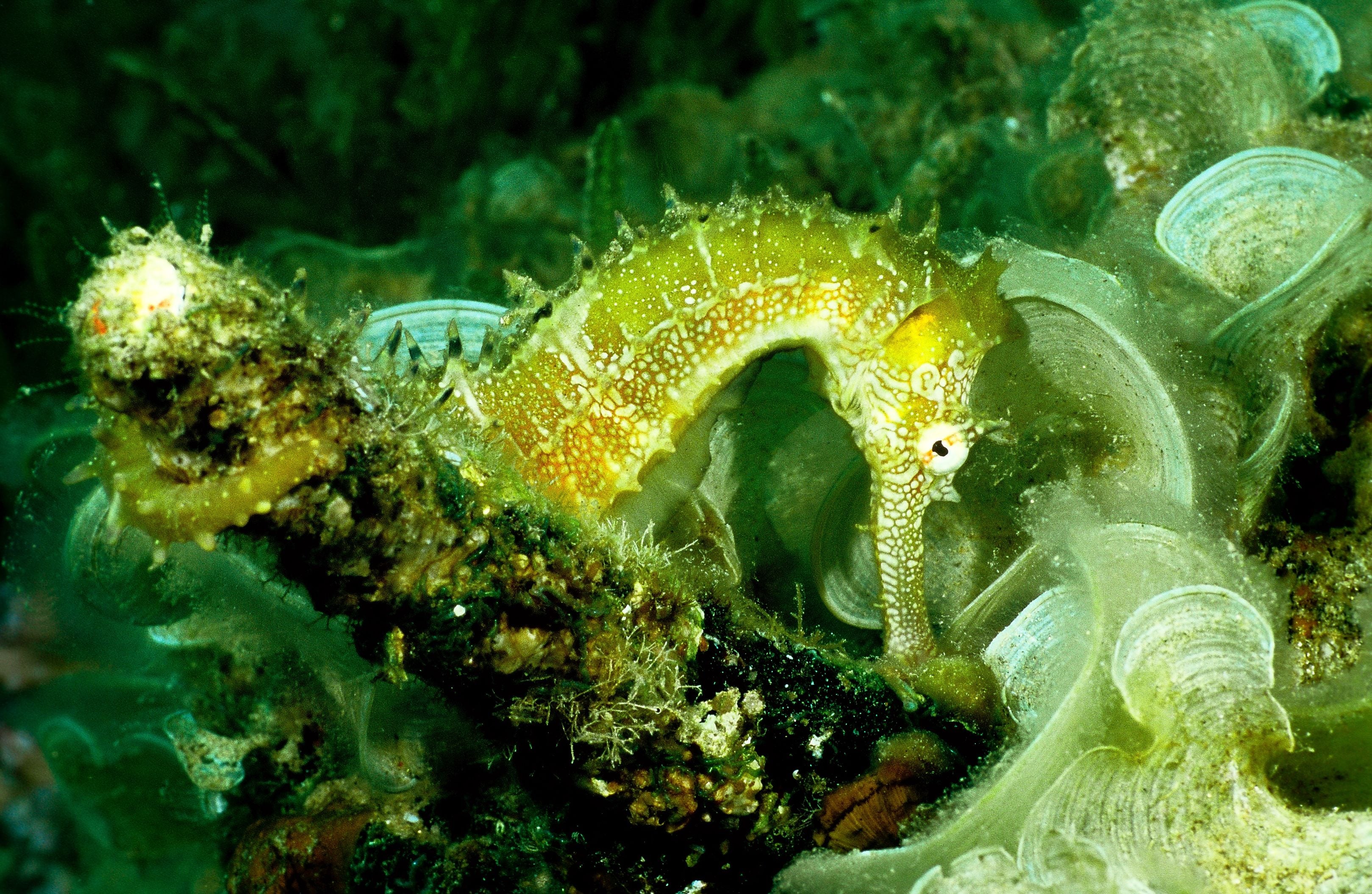
About 46 species of seahorses live in oceans around the world, including the Jayakar’s seahorse shown here. An estimated 20 million seahorses are traded illegally each year—most to be dried for traditional Asian medicine—largely supplied as bycatch from bottom trawl fisheries. (Ole Johan Brett)
|
|
|
|
-
AI vs. smugglers: Researchers at Macquarie University in Australia have trained AI to detect smuggled marine wildlife—shark fins, seahorses, and sea cucumbers—concealed in luggage. Integrated with an airport CT scanner, the system had an accuracy rate of 90 percent. The new technique could help border agencies flag illegal trade and protect vulnerable ocean species.
-
Monkey mayhem: In Florida, a repeat wildlife trafficker calling himself “the monkey whisperer,” is back in prison after he was caught selling protected primates—including spider monkeys, capuchins, red-handed tamarins, and marmosets—online to an undercover U.S. Fish and Wildlife Service agent.
-
Ivory bust: Nigeria customs officials intercepted four men transporting 22 pieces of ivory weighing more than 280 pounds. Roughly 20,000 elephants are killed each year to supply the lucrative illegal ivory trade.
-
Airport sting: South African authorities arrested a 28-year-old traveler at Cape Town International Airport after it was discovered that he was hiding 150 live, venomous scorpions in his suitcase. Many scorpion species are prized by collectors, fueling a lucrative underground market.
|
|
|
|
Strange, but true
In 2009, a burglar broke into England’s Natural History Museum at Tring and stole nearly 300 priceless bird specimens, including quetzals and cotingas from Central and South America and birds-of-paradise from New Guinea. After a 15-month investigation, police arrested the mastermind: Edwin Rist, a 22-year-old American flutist at London's Royal Academy of Music and avid fly-tier. Rist reportedly stole the plumes to sell on the black market catering to collectors and fly-tiers who prize authentic feathers for Victorian-style fishing flies. His defense successfully argued that Asperger’s syndrome contributed to Rist’s obsessive behavior and impaired his judgement. He received a 12-month suspended sentence, avoiding jail time. The incident is the basis of the 2018 true-crime book, The Feather Thief: Beauty, Obsession, and the Natural History Heist of the Century by Kirk Wallace Johnson.
|
|
|
|
Like this newsletter? Share it!
|
|
|
|
|
|
|
|
Support WIRE
WIRE runs on curiosity, persistence, and generous support from people who care deeply about what happens to wildlife when no one else is watching. Investigative reporting takes time, expertise, and financial resources, especially when stories cross borders and powerful interests. Our work is funded by readers like you who believe these stories matter. Monthly supporters give us the stability to report deeply, publish independently, and follow the consequences of our investigations. If that resonates, you can support our work here:
|
|
|
|
|
|
|
|
|
Wildlife Investigative Reporters & Editors
Independent, nonprofit journalism exposing wildlife crime and exploitation of nature.
Get in touch: [email protected]
|
|
You received this email because you signed up on our website or made a donation.
|
|
|
|
|
|