|
WIRE: Why did you first reach out to me?
Melissa Groo: I felt like there was this huge story waiting to be told, and I didn’t really know how to get it out there, but I had all the evidence–or at least enough evidence—to say these places are like the exotic version of puppy mills. All of these places have animal welfare violations. I had hundreds of documents I'd acquired through Freedom of Information Act requests to the USDA and to the Montana and Minnesota fish and wildlife agencies—dispositions that told me where the animals were going, and to see the scale at which this was happening. I felt like we’ve got to get the information out there so that people can begin to turn away from these places and these pictures, so they can’t continue to abuse animals, because it just feeds this endless cycle of exploitation.
WIRE: Do you believe the photographers visiting these places are being deceived?
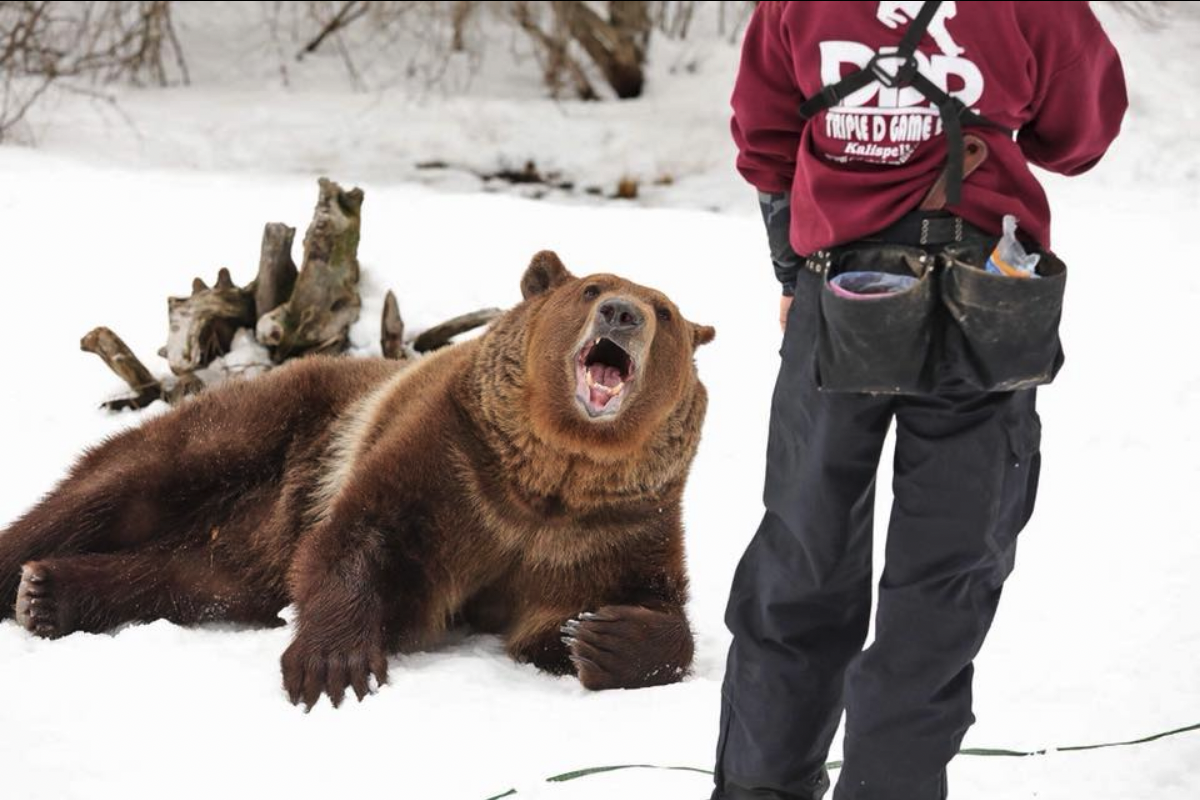
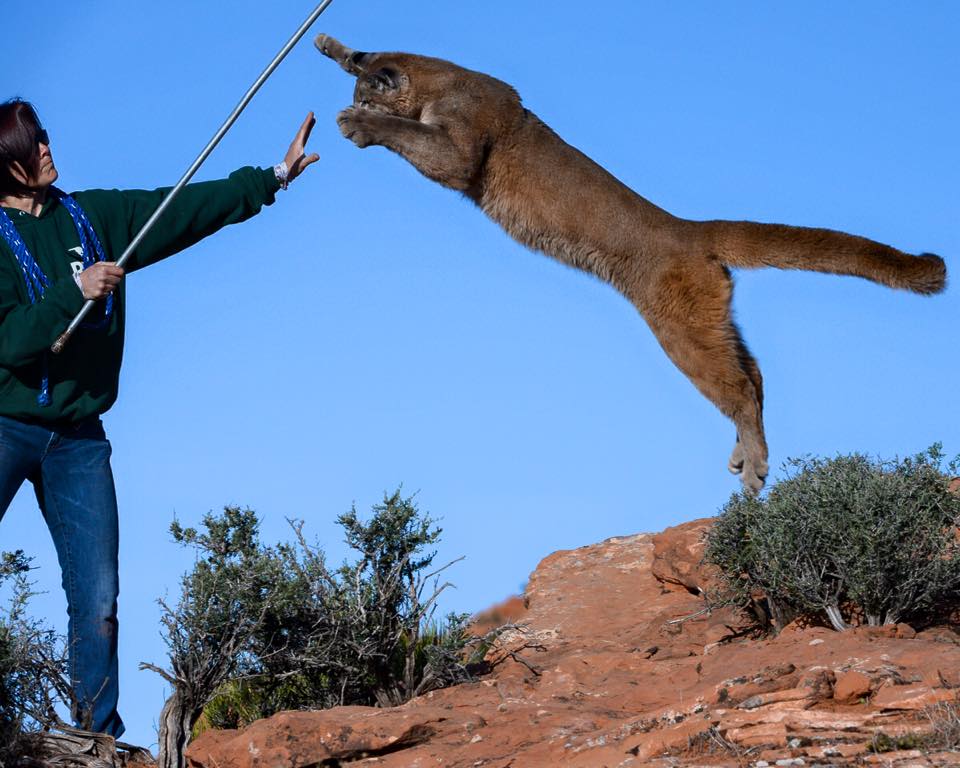
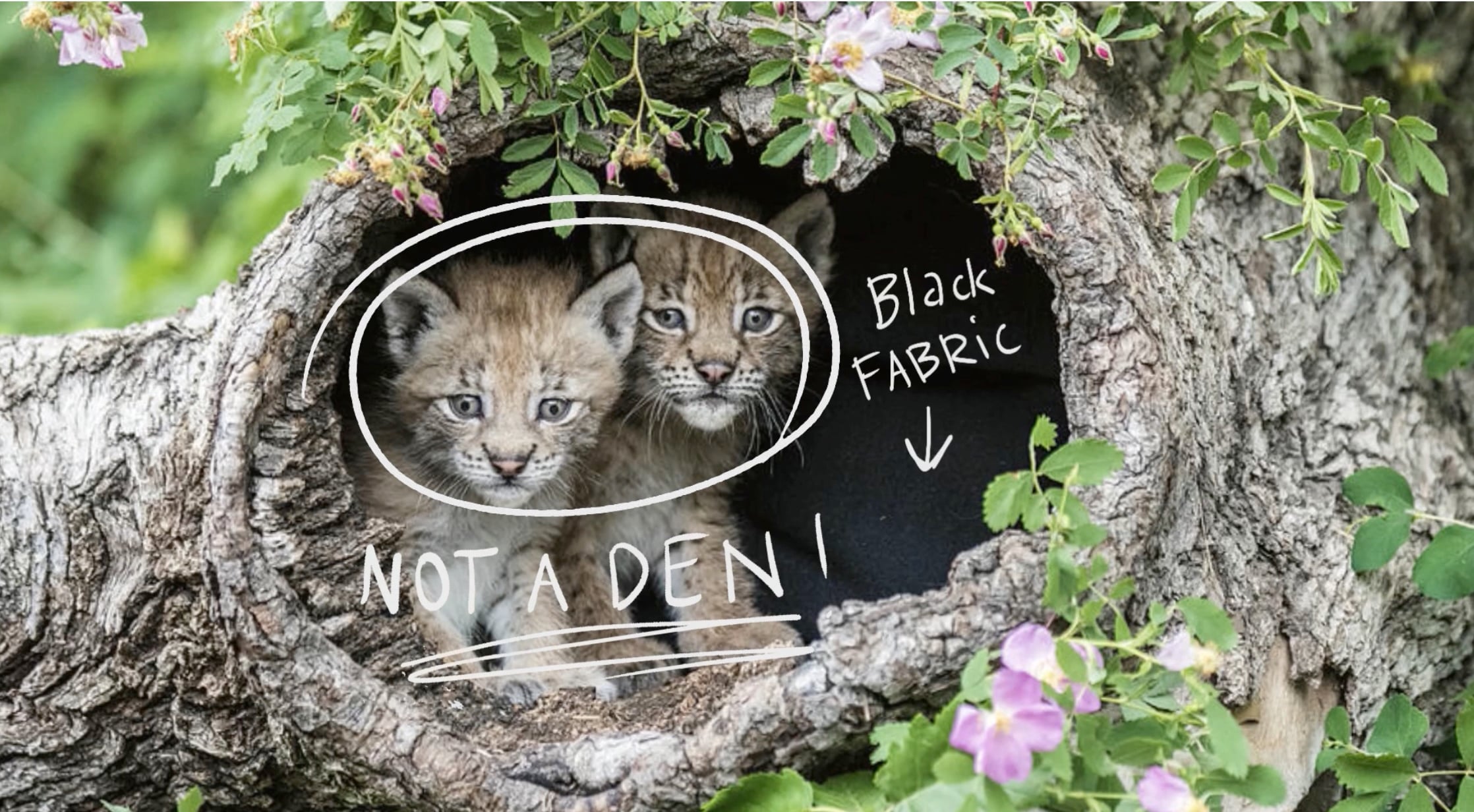
MG: What the photographers see is an animal that seems ecstatic to be out of its cage, being given treats to perform, with a trainer—like Heather Keepers, who was the head trainer at Triple D for almost a decade—showing them affection, hugging and kissing them. So photographers leave thinking, oh my gosh, those animals look happy, well cared for—it’s obvious they’re loved. And it’s this complete ruse, this carefully constructed facade. What you don’t see is the misery, the filth, the cramped quarters, and the complete deprivation of the physical and emotional needs these complex animals have.
WIRE: The story was originally slated for National Geographic, but it wound up getting killed, possibly in part because of concerns about litigation. It was then commissioned by Rolling Stone. How did you feel about the change to a new venue?
MG: You know, at first I was disappointed that Nat Geo had killed it. When we talked about where else it could go after that, you brought up Rolling Stone. And I started to get excited about that, because it meant we could reach a different audience, which felt really important for this story.
You also said they would probably allow you to use more words, and that, to me, was huge because it’s not a simple story—it needed a very full treatment because there are so many different parts. In the end, I much prefer that it went to Rolling Stone. Seeing how long it was—7,500 words—being able to have that full treatment and reach a different audience made it an exceptionally better option. I feel like Rolling Stone is one of the few places left where there’s this real commitment to hardcore journalism and photography. I’m really grateful for that.
WIRE: Do you think the article has made an impact?
MG: I do. It’s hard to measure these things when you’re talking about a shift in culture because of journalism, but I do think it’s raised awareness. It’s been very useful in terms of educating people.
And I’ve noticed at Triple D, they used to have big-name photographers leading workshops. You can still look at their calendar—they’re operating, with a website and announced workshops—but those well-known names that used to be scattered throughout aren’t there anymore. Now it’s more general-themed photography days, and a few people I’ve never heard of who are presented as pros, but no more big names. People have really turned away from these places.
WIRE: What’s the latest on these game farms?
MG: Two of the game farms have seemingly shut down in the last few years, which suggests a real shift in public perception—both of the places themselves and the images they produce—though I have heard rumors that one of them is still operating on the down low. Triple D is the last one, but there are many places around the world that keep animals captive for photo purposes. So I don't want to imply that if Triple D closes, the problems are over. There will always be facilities that keep wild animals captive purely to exploit them, for photography, filmmaking. We just have to be more aware and discerning of those facilities, as well as the pictures that come out of them.
WIRE: How did you come to be involved with the upcoming film, Captured.
MG: I knew filmmaker Katie Schuler through the International League of Conservation Photographers. I’d seen a film she did on pangolins for Nature on PBS, so we had a bit of a passing acquaintance. There was also a private Facebook group focused on game farms that I and a couple of others were moderating—really just to educate people within a particular circle who had been accepted into the group.
My colleagues and I were using it as a place to share reliable information about photography game farms and the welfare violations associated with them. At one point, Katie responded to something I had posted, and someone else in the group said, “Gosh, you guys should make a movie about this.” Not long after that, I got an email from another person in the group—someone with deep pockets—who said they’d provide the seed money to get the film made. They ended up providing a very generous startup fund, and we began getting the film underway.
WIRE: You were sued for going public with this story. Do you ever regret it?
MG: No, never. I would do it again in a heartbeat. And I was not sued for defamation or slander or libel, because nothing that I said was untrue. I was sued for “tortious interference,” for messing with his business.
I'm also very grateful that I had business insurance that covered me and the settlement. So if I’d had to pay out of pocket, would my answer be different? Maybe, but I am very grateful.
WIRE: Looking forward, what can consumers do?
MG: I really believe that photography game farms are, in the not-too-distant future, going to be a thing of the past. I think we’re getting wiser to the needs of wild animals in captivity, and more aware of the tricks these facilities use—like the names they give themselves. It’s extraordinary. We have over 2,500 roadside zoos in this country, and they can call themselves anything—a sanctuary, a haven, a preserve—and be the exact opposite. No one is really going in and making sure those names are appropriate, and people tend to take them at face value. They see “sanctuary” and immediately trust it.
What I’m hoping is that we become much more discerning consumers and visitors of captive wildlife facilities. People want to see animals up close that they’ll never encounter in the wild—I understand that. Zoo and captive photography isn’t for me, but I know it’s something many photographers and families engage in. So the question becomes: how do we make better-informed decisions? How do we not just rely on convenience or appearances?
MG: What questions should consumers be asking?
Groo: There are some basic questions we can ask before visiting any place: Do they buy or sell animals? Do they breed animals? Do they allow interactions like cub petting or photo props? These are all red flags—if you see them, don’t go. The exception, in terms of breeding, would be Species Survival Plan programs at accredited zoos, which are intended to support conservation and science.
There will always need to be places that rescue animals from terrible situations—whether that’s someone’s backyard, a game farm, or a roadside zoo. And there are also sanctuaries for animals injured in the wild that can’t be released. That’s a different, but equally important, role.
All of this information is available online—we just have to do a bit of due diligence. Even a few minutes of research before visiting a place can make a difference. We shouldn’t continue supporting exploitation and the miserable lives of captive animals when we have the tools to make better choices.
WIRE: What do you hope the impact of the film will be?
MG: For me, I really hope the film encourages people to think more deeply about what we owe wild animals in captivity—how to recognize when something isn’t right, and when to turn away, speak out, and ultimately help shut down places like roadside zoos.
Check out “The Ugly Truth About the Wild Animals of Instagram,” Rolling Stone, and the newly released film Captured. Join WIRE in signing the filmmakers’ #wildwithoutwalls pledge to stop liking, sharing, buying, creating, or commissioning images made at game farms.
Looking for more stories on ethical wildlife photography?
|