|
|
Figuring out what to do with those awkward family heirlooms
|
͏ ͏ ͏ ͏ ͏ ͏ ͏ ͏ ͏ ͏ ͏ ͏ ͏ ͏ ͏ ͏ ͏ ͏ ͏ ͏ ͏ ͏ ͏ ͏ ͏ ͏ ͏ ͏ ͏ ͏ ͏ ͏ ͏ ͏ ͏ ͏ ͏ ͏ ͏ ͏ ͏ ͏ ͏ ͏ ͏ ͏ ͏ ͏ ͏ ͏ ͏ ͏ ͏ ͏ ͏ ͏ ͏ ͏ ͏ ͏ ͏ ͏ ͏ ͏ ͏ ͏ ͏ ͏ ͏ ͏ ͏ ͏ ͏ ͏ ͏ ͏ ͏ ͏ ͏ ͏ ͏ ͏ ͏ ͏ ͏ ͏ ͏ ͏ ͏ ͏ ͏ ͏ ͏ ͏ ͏ ͏ ͏ ͏ ͏ ͏ ͏ ͏ ͏ ͏ ͏ ͏ ͏ ͏ ͏ ͏ ͏ ͏ ͏ ͏ ͏ ͏ ͏ ͏ ͏ ͏ ͏ ͏ ͏ ͏ ͏ ͏ ͏ ͏ ͏ ͏ ͏ ͏ ͏ ͏ ͏ ͏ ͏ ͏ ͏ ͏ ͏ ͏ ͏ ͏ ͏ ͏ ͏ ͏ ͏ ͏
|
|
|
|
|
Voices and updates from the front lines of wildlife crime and exploitation of nature
|
|
|
|
|
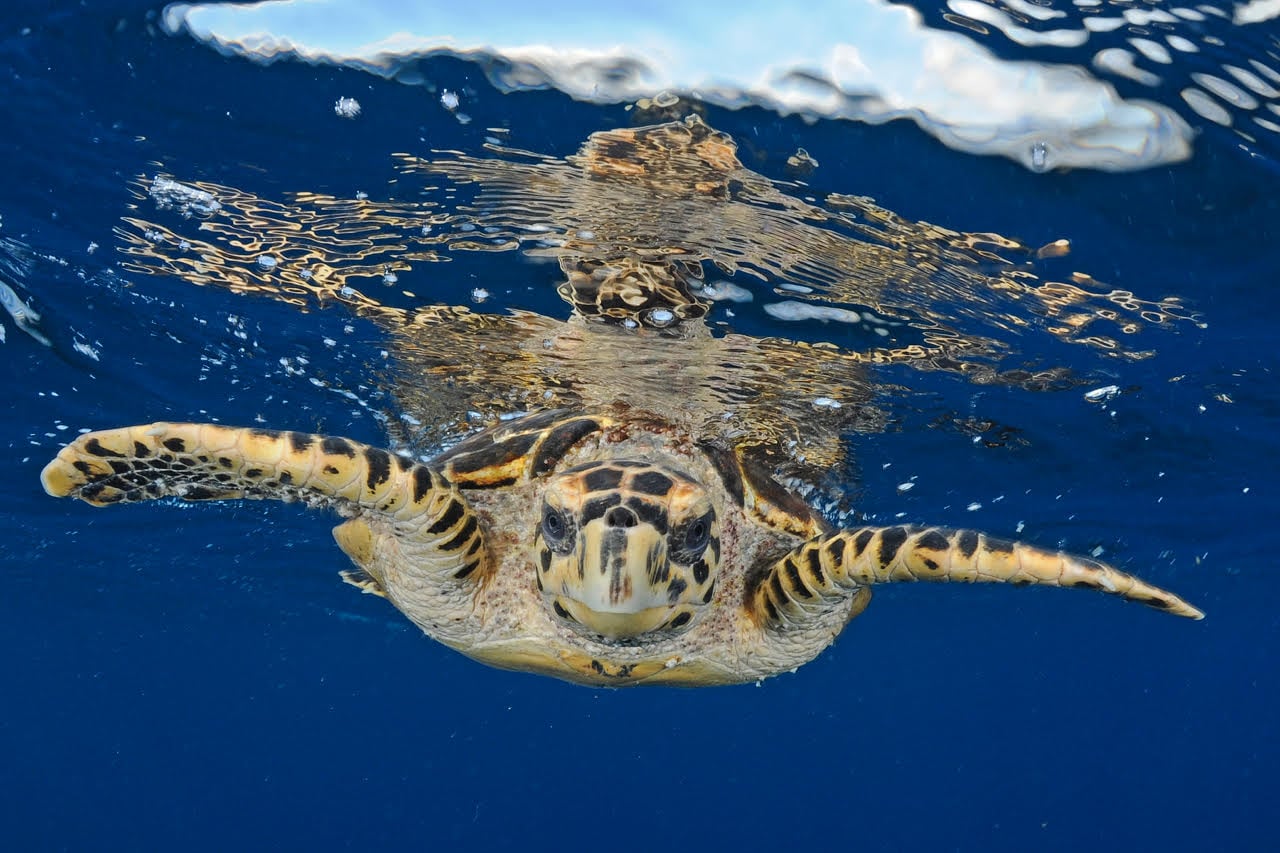
Among the 1.2 million wildlife products stored at the National Wildlife Property Repository are thousands of tortoiseshell items from hawksbill turtles. (Tom Peschak)
|
|
|
|
|
By Rachael Bale
April 24, 2026
|
|
|
|
|
How did I end up with the shell of a critically endangered sea turtle in my basement? I know, it’s not what you’d expect from a journalist who’s spent her career writing about the horrors of the illegal wildlife trade. And yet, there it was, right next to the fur coats.
I’m digging myself a deeper hole, but stick with me.
We found the shell in the closet of my grandma’s condo when she died in 2017. It’s about the length of my forearm, with a gleaming amber-and-coffee pattern and jagged scutes around the outside. Pretty quickly, we figured out it was a hawksbill sea turtle. My grandparents probably got it on vacation in the Caribbean at some point in the 1940s, a souvenir to remind them of fun times. Of course, they meant no harm—everyone who visited tropical islands back then bought sea turtle shell souvenirs. Luxury tortoiseshell accessories remained all the rage for most of the 20th century, wiping out almost a full generation’s worth of hawksbills, which can live 50 years or more, and leaving the species on the brink of extinction.
What was I supposed to do with the shell? Hawksbills are on the Endangered Species List, so selling it would be illegal. Donating to a thrift store might send it onto the black market. Trashing it felt wrong. And although it was beautiful, I definitely didn’t want it on my wall.
So I took it home with me—along with my grandma’s fur coats, which I planned to donate to a wildlife rescue center, where they’re used to comfort orphaned animals. The beautiful shell traveled with me from New York to Washington, D.C., to Denver, where I live now. All the while, I couldn’t think of what to do with it.
|
|
|
|
|
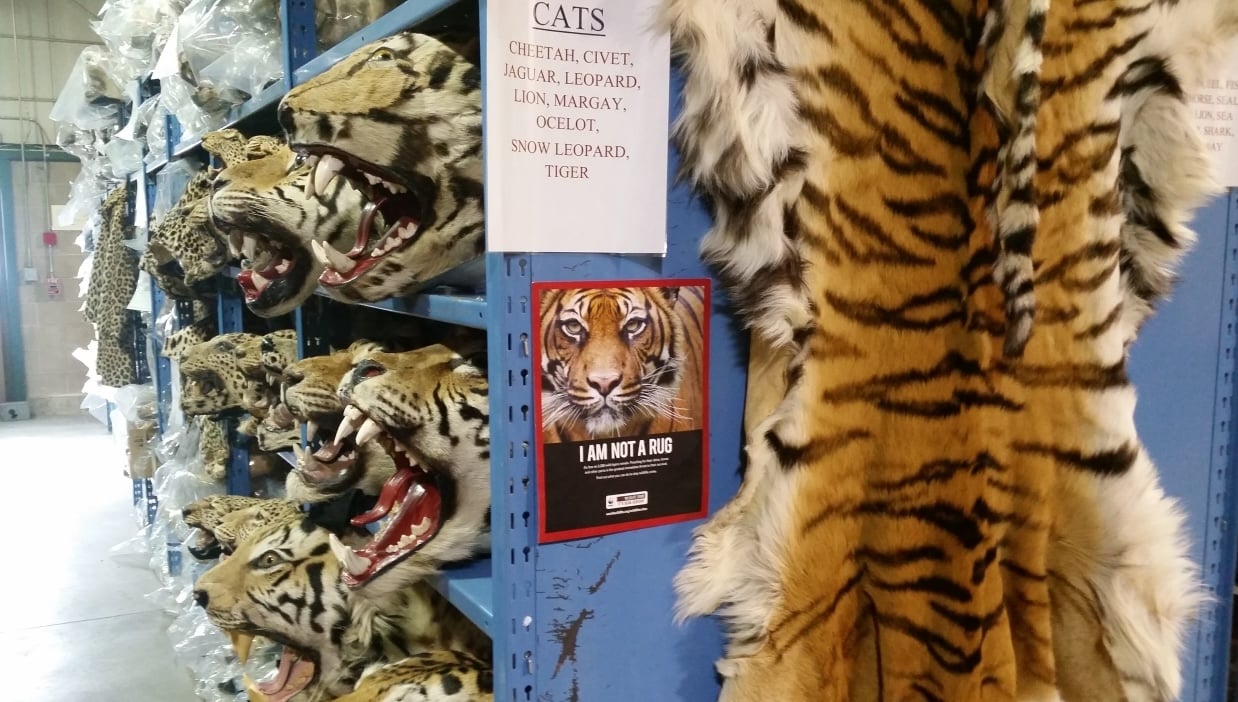
The U.S. Fish and Wildlife Service’s wildlife property repository stores many illegal tiger and leopard rugs, some seized in law enforcement action, others turned in voluntarily. (Courtesy U.S. Fish and Wildlife Service)
|
|
|
|
|
Then I remembered the National Wildlife Property Repository. It’s a storage facility run by the U.S. Fish and Wildlife Service for wildlife products seized by law enforcement. The warehouse is just north of Denver in a national wildlife refuge that was once a weapons manufacturing site.
It turns out that the wildlife repository also takes donations, or “abandonments,” as they’re officially called. A lot of them. “Mail day is always fun because we never know what’s in the boxes,” said Taliah Farnsworth, the facility’s supervisor. Apparently there are a lot of people like me who end up with their grandparents’ tortoiseshell items, or ivory carvings, or hunting trophies, or what have you. I asked if I could “abandon” mine in person—and take a tour.
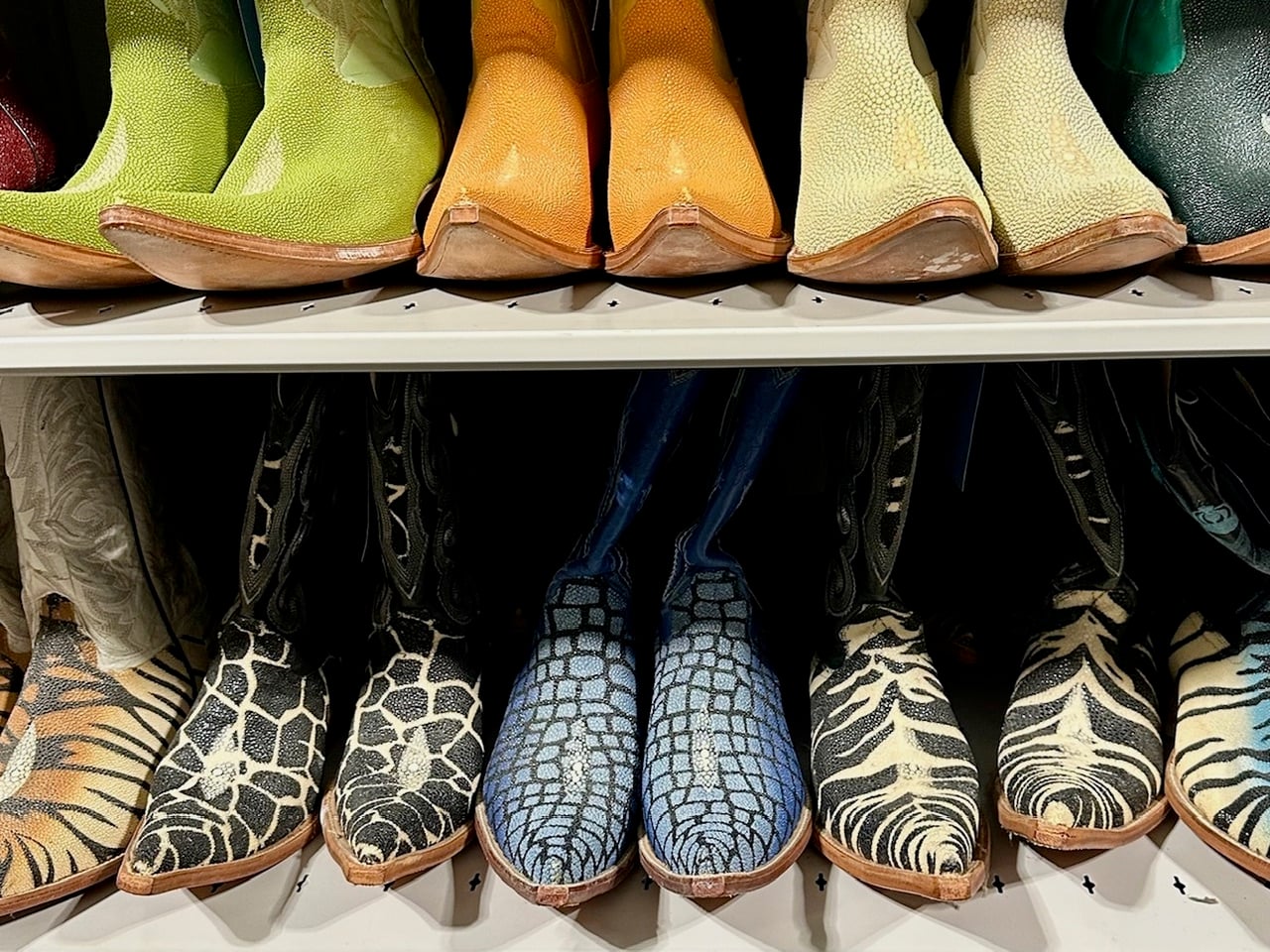
And that’s how I ended up in a 22,000-square-foot warehouse surrounded by things made from dead animals. Think Costco, but instead of industrial-size containers of mixed nuts and toilet paper, there were bags of dried seahorses, stacks of sea turtle shells, and shelves and shelves of cowboy boots. No matter how hard I tried, I couldn’t imagine what someone would want with neon-colored, zebra-striped, ray-leather boots, or snakeskin boots with the snake’s head looking out from the toe. For that matter, I don’t know why anyone would want a teddy bear made with mountain lion fur, a full-size, stuffed polar bear, or a lamp made from an elephant trunk, but I guess someone did, because they were all in the warehouse too.
|
|
|
|
|
Did a friend forward this newsletter to you?
|
|
|
|
|
|
|
|
|
But what stopped me cold in my tracks were the tiger- and leopard-skin rugs. Seven shelves high, several shelving units across. The skins themselves were rolled up, but the attached heads stared out from their protective plastic bags like accusatory witnesses to their own demise. Each had a unique face. One had beady eyes. One with wide-set eyes. A long muzzle, a squarer jaw, a shallower forehead. Each had been an individual creature with its own life. I thought of my cat.
From that moment, everything in the warehouse looked different. Because each one of those rays, each of those snakes, that polar bear, and even the seahorses—they also had once been individual beings living their own lives.
|
|
|
|
|
Boots, purses, belts, wallets, and other fashion items abound at the wildlife property repository, made of everything from ray skins (above) to elephants, sea turtles, crocodilians, and snakes. (Emily Marcus)
|
|
|
|
|
Ultimately, that’s why I didn’t want the shell hanging on my wall. No matter how captivating it is, I’d always be thinking about the hawksbill it belonged to. In our line of work, we have to compartmentalize. If we got lost in the cruelty and misery, we couldn’t write our stories, we couldn’t effectively tell people what’s going on. That was the mindset I took into the wildlife property repository. But everything I saw there—and particularly the big cats—reminded me that the illegal wildlife trade isn’t just about issues of conservation. It’s also about the audacity and greed of humans to inflict our will on fellow animals—no matter the suffering it causes—contributing to the impoverishment of the natural world.
I surrendered the turtle shell after the tour. The collections manager, Elisa Dahlberg, turned it over in her hands and nodded. It was small. It had belonged to a young hawksbill. It was the perfect size to send out for training sessions with wildlife agents, to help stop the smuggling of sea turtles.
If you have wildlife items you’d like to donate—endangered or not—contact the National Wildlife Property Repository at [email protected]. Read more about the process here.
|
|
|
|
|
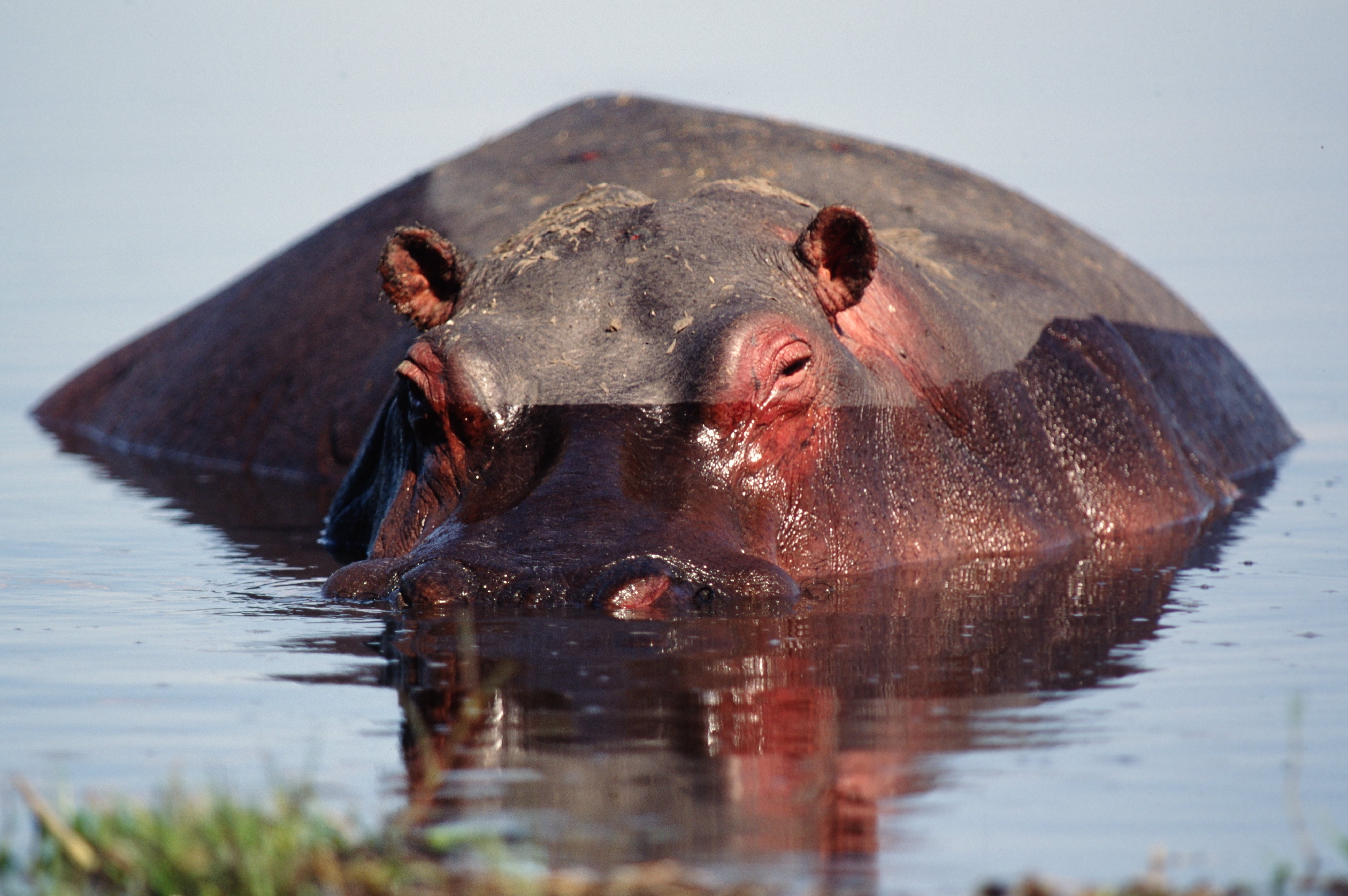
Descended from four animals illegally brought to Columbia for drug lord Pablo Escobar’s private zoo, about 170 hippos roam Columbia’s rivers. (Kevin Richardson)
|
|
|
|
- Escobar’s hippos: Colombia—the only country outside Africa with wild hippos—plans to euthanize dozens of them to protect ecosystems and communities. About 170 of the behemoths, descended from four imported illegally by cocaine king Pablo Escobar, now roam freely, competing with native species and posing risks to people. Animal rights groups urge humane alternatives, but officials say sterilization has been too costly and dangerous.
-
Million-dollar shark fin bust: U.S. authorities intercepted more than 1,600 pounds of illegal shark fins tied to a multistate smuggling ring. Twenty shipments—falsely labeled as car parts—contained roughly 50,000 fins valued at $1 million and destined for Asian markets to satisfy demand for shark fin soup.
-
Rising pandemic risk: A new global study details how the ever expanding wildlife trade multiplies the opportunities for dangerous animal-borne diseases to jump to humans—reinforcing warnings that the trade is not just a conservation crisis but a public health threat. The scientists examined data from the past four decades and found that the longer a species had been traded, the greater the likelihood that it shared some sort of pathogen with humans. Researchers are calling for stronger regulation and surveillance worldwide.
|
|
|
|
Strange, but true
Creative undercover: In 1993, U.S. Fish and Wildlife Service agent Terryl English tugged on a furry gorilla costume and climbed inside a crate marked “Live Animal” at a Miami airport to bait Mexican zoo officials attempting to illegally buy a gorilla. The sting was a success—when the officials ponied up cash for their “gorilla,” they were arrested. (Source: Grist, The best time a federal agent went undercover as a gorilla.)
|
|
|
|
Like this newsletter? Share it!
|
|
|
|
|
|
|
|
Support WIRE
WIRE runs on curiosity, persistence, and generous support from people who care deeply about what happens to wildlife when no one else is watching. Investigative reporting takes time, expertise, and financial resources, especially when stories cross borders and powerful interests. Our work is funded by readers like you who believe these stories matter. Monthly supporters give us the stability to report deeply, publish independently, and follow the consequences of our investigations. If that resonates, you can support our work here:
|
|
|
|
|
|
|
|
|
Wildlife Investigative Reporters & Editors
Independent, nonprofit journalism exposing wildlife crime and exploitation of nature.
Get in touch: [email protected]
|
|
You received this email because you signed up on our website or made a donation.
|
|
|
|
|
|