|
|
The documentaries putting today’s wildlife crises in focus
|
͏ ͏ ͏ ͏ ͏ ͏ ͏ ͏ ͏ ͏ ͏ ͏ ͏ ͏ ͏ ͏ ͏ ͏ ͏ ͏ ͏ ͏ ͏ ͏ ͏ ͏ ͏ ͏ ͏ ͏ ͏ ͏ ͏ ͏ ͏ ͏ ͏ ͏ ͏ ͏ ͏ ͏ ͏ ͏ ͏ ͏ ͏ ͏ ͏ ͏ ͏ ͏ ͏ ͏ ͏ ͏ ͏ ͏ ͏ ͏ ͏ ͏ ͏ ͏ ͏ ͏ ͏ ͏ ͏ ͏ ͏ ͏ ͏ ͏ ͏ ͏ ͏ ͏ ͏ ͏ ͏ ͏ ͏ ͏ ͏ ͏ ͏ ͏ ͏ ͏ ͏ ͏ ͏ ͏ ͏ ͏ ͏ ͏ ͏ ͏ ͏ ͏ ͏ ͏ ͏ ͏ ͏ ͏ ͏ ͏ ͏ ͏ ͏ ͏ ͏ ͏ ͏ ͏ ͏ ͏ ͏ ͏ ͏ ͏ ͏ ͏ ͏ ͏ ͏ ͏ ͏ ͏ ͏ ͏ ͏ ͏ ͏ ͏ ͏ ͏ ͏ ͏ ͏ ͏ ͏ ͏ ͏ ͏ ͏ ͏
|
|
|
|
|
Voices and updates from the front lines of wildlife crime and exploitation of nature
|
|
|
|
|
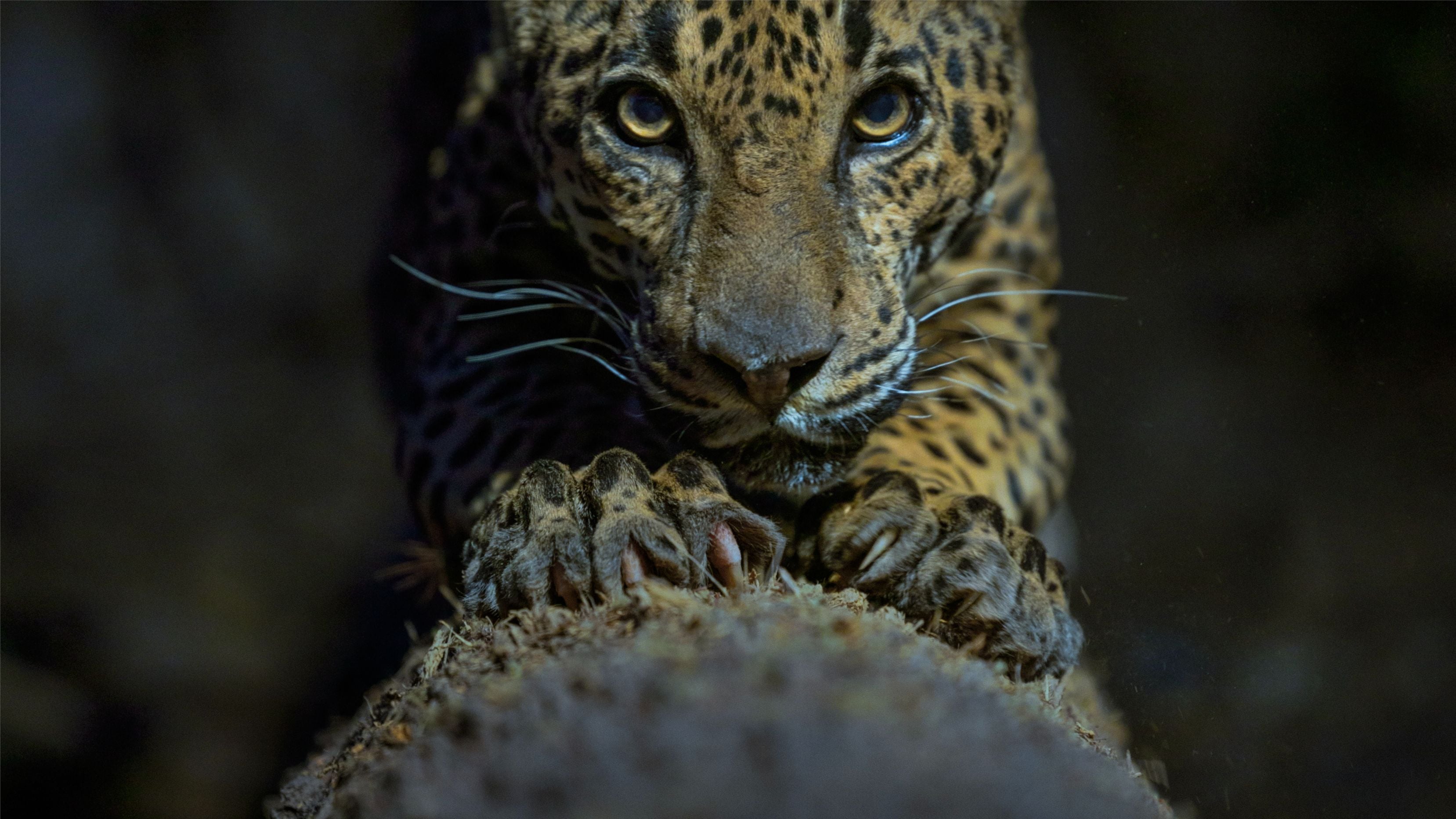
In Borderlands Jaguar, showing this week at the Washington, D.C., Environmental Film Festival, wildlife filmmakers track elusive jaguars along the U.S.-Mexico border, navigating a wilderness defined today by politics. (Borderlands Jaguar, Ben Masters)
|
|
|
|
|
Rene Ebersole
March 27, 2026
|
|
|
|
|
I’ll admit, I watch the Oscars as much for the red carpet as the films—and some years, I haven’t even seen the best picture. This time, I caught the grand-prize-winner, One Battle After Another. In case you haven’t seen the movie, I’ll just say that it lives up to its title. The story builds, one challenge spilling into the next, propelling the characters to adapt, give up, or endure.
It's a structure that feels familiar in the context of today’s environmental crises. The biodiversity and climate emergencies aren’t defined by a single turning point, but by a cascade of pressures—habitat loss, pollution, warming seas, illegal wildlife trade—each compounding the next, with no simple solutions. That’s what makes visual storytelling so vital right now. As attention spans shrink, newsrooms are gutted, and threats to the natural world accelerate, environmental films are extending the reach of these stories in ways print journalism often can’t—immersing us in distant places, humanizing complex crises, and bringing urgency and visibility to struggles that might otherwise stay hidden.
Over the past two decades, a wave of hard-hitting investigative documentaries has helped redefine what environmental storytelling can do. Films like The Cove, Blackfish, and Virunga set a new standard—exposing the brutal dolphin hunts in Taiji, Japan, scrutinizing the ethics of keeping orcas captive in aquariums, and chronicling rangers protecting endangered gorillas amid armed conflict and the greed of oil interests.
|
|
|
|
|
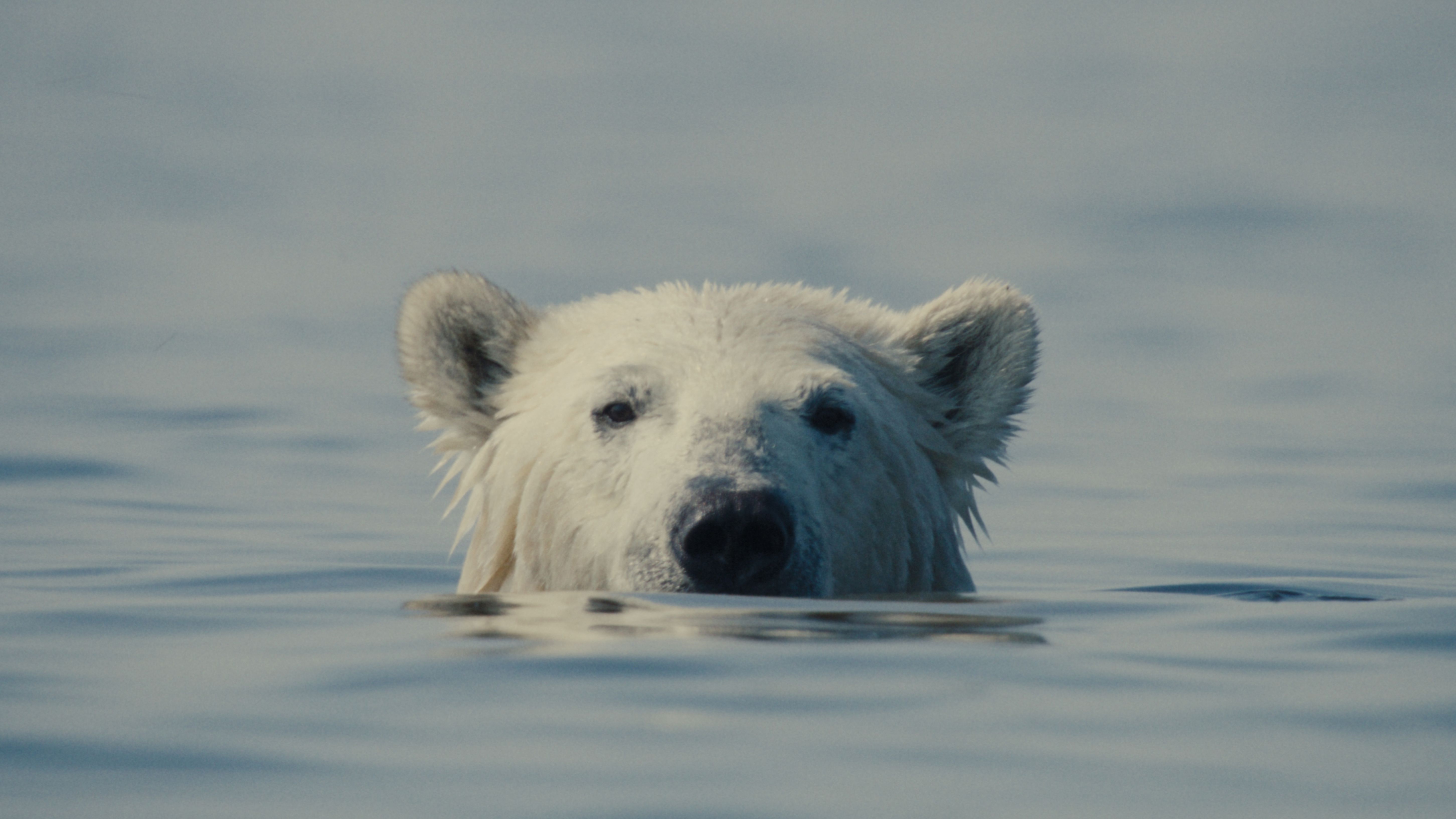
Nuisance Bear is a 2026 Sundance-selected documentary that explores the contentious relationship between polar bears and humans in Churchill, Manitoba. (Nuisance Bear, Gabriela Osio Vanden & Jack Weisman)
|
|
|
|
|
These films demonstrated that environmental storytelling can do more than inform: It can mobilize audiences, fuel activism, and even influence corporate behavior and policy—all while unfolding with the tension and pacing of a thriller. Blackfish caused a public backlash against SeaWorld that led to the demise of the company’s theatrical whale shows and orca breeding program. The Cove helped bring unprecedented global scrutiny to Japan’s dolphin hunts (although the practice has persisted). Virunga spurred widespread support for park rangers and contributed to pressure on oil companies to abandon exploration efforts in the region.
At the same time, another kind of environmental filmmaking has emerged—one that leans less on investigation and more on intimacy. My Octopus Teacher is a wonderful example. Rather than presenting statistics or policy debates, it centers on a filmmaker’s relationship with a single octopus. The result is deeply personal, almost meditative—and profound. For many, it turns admiration into action: Once you meet this octopus, you’ll likely never eat one again.
Together, these approaches point to the same truth: People protect what they love. Whether through exposé or quiet connection, documentary storytelling translates distant, multilayered issues into narratives that come across as immediate and human.
|
|
|
|
|
Nowhere is the vitality of this genre more evident than at the Environmental Film Festival in Washington, D.C., one of the world’s leading nature-focused showcases. Founded in 1993, the festival, which runs this year from March 19 to 28, brings a sweeping lineup that explores biodiversity, climate justice, and conservation efforts.
|
|
|
|
|
Did a friend forward this newsletter to you?
|
|
|
|
|
|
|
|
|
This year’s theme, “Against the Current,” highlights stories of resilience and resistance in the face of environmental crisis. Nuisance Bear follows a polar bear who struggles to negotiate the fraught intersection of humans and wildlife in Churchill, Manitoba. Yunani chronicles Indigenous chief Juma Xipaia’s fighting to protect her tribal lands amid assassination attempts. Other standout titles: A Life Illuminated tells the story of a pioneer explorer in the ocean’s twilight zone; Borderlands Jaguar tracks elusive cats along the U.S.-Mexico border; The Conservatives explores the deep political divide on climate change; Sallie’s Ashes, a David-and-Goliath short, follows three Alabama grandmothers confronting a polluting corporation. Dozens more films span the gamut from intimate ecological portraits to sweeping global investigations.
|
|
|
|
|
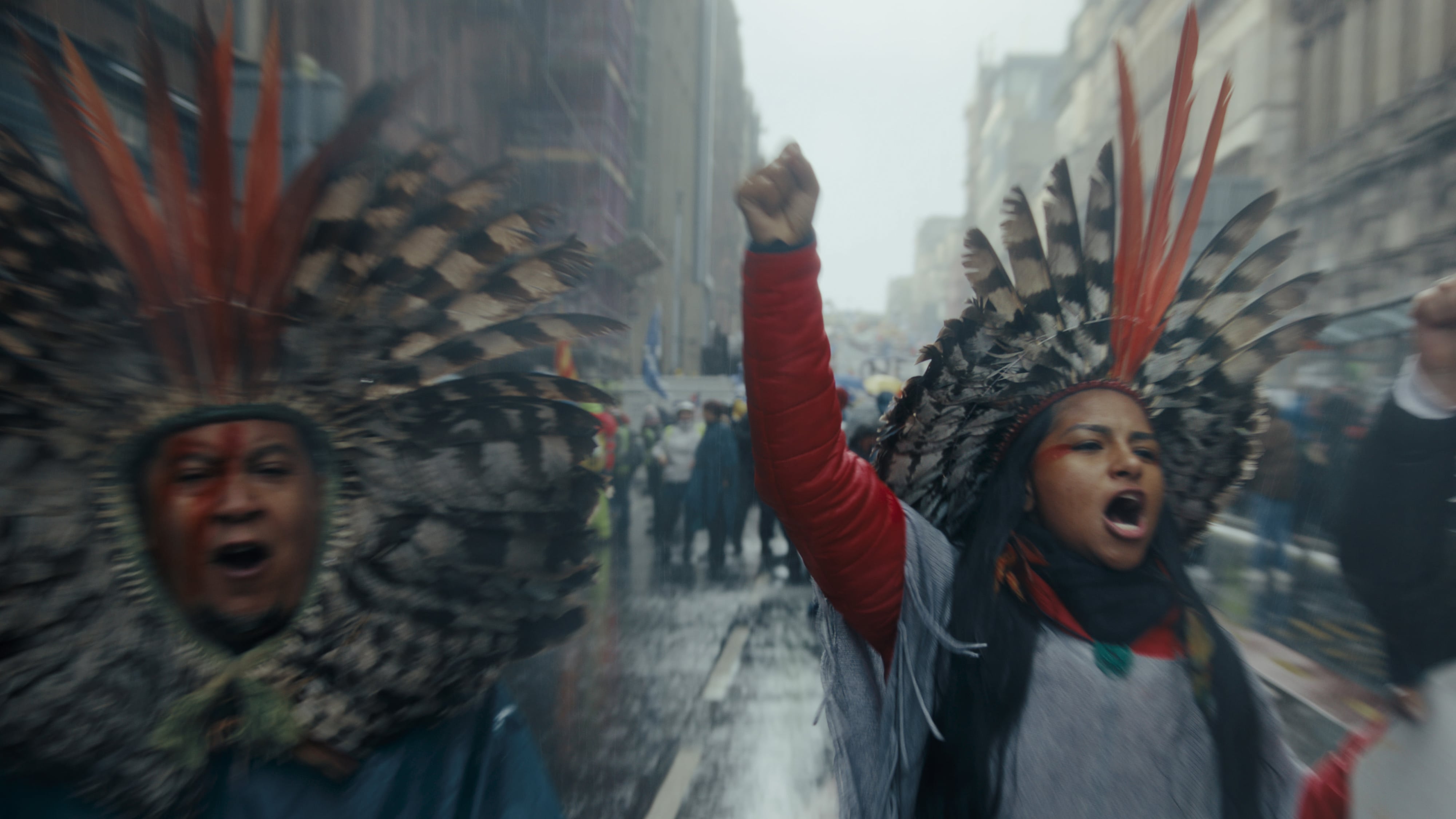
Yunani chronicles Indigenous chief Juma Xipaia’s fight in the Brazilian Amazon to protect her tribal lands from illegal gold miners and multinational corporations. (Yunani, Richard Ladkani)
|
|
|
|
|
If you’re lucky enough to be in the capital this week, you can still catch the closing events today and tomorrow. Readers of this newsletter receive a 25 percent discount on tickets with the code DCEFFENV26.
A selection of the festival’s short films is available online. Look for them in theaters and on streaming platforms, and you can find more than 500 others to watch on the Environmental Film Festival’s website. In the famous words of film critic Roger Ebert: “I’ll see you at the movies!”
|
|
|
|
|
We’re thrilled to welcome Katerina Parent as WIRE’s new social media manager. A producer, photographer, and social media strategist, Katerina previously worked at National Geographic managing @natgeo—the world’s largest brand on Instagram, with 275 million followers—and has since led engagement campaigns for SeaLegacy, Vital Impacts, HarperCollins, Sports Illustrated, and E! News
|
|
|
|
Send Katerina a DM on WIRE's socials with questions, collaborations, and story ideas.
|
|
|
|
|
|
|
|
- Alleged kingpin arrested: The notorious Vietnamese owner of a game farm in South Africa is in custody after a multiagency law enforcement operation discovered $12,000 worth of ivory in his possession. The man, Chu Dang Khoa, known as Michael Chu, has long been linked to wildlife trafficking cases in the country, where he reportedly specializes in rhino horn, ivory, and diamonds. He’s believed to be involved with the staged theft of rhino horns from his own game farm earlier this year, and he was previously fined and deported in 2011 for possessing rhino horn.
- Mixed signals: A leading snake expert and conservationist has been called out for his NGO accepting donations from Louis Vuitton, which makes python skin bags. Daniel Natusch is the chair of the International Union for Conservation of Nature’s Snake Specialist Group, which helps determine whether python and other snake species should be classified as endangered. Natusch is also on the steering committee of the IUCN’s sustainable use specialist group, which promotes the regulated use of wildlife products. Natusch told The Times that the funding from Louis Vuitton is for conservation work unrelated to snakes or the skin trade.
- Baby Bili: Using poignant animations and sparse words, the New York Times Magazine tells the story of one baby gorilla’s capture from the wild and what it took to rescue her before she could become someone’s pet overseas. A longer companion story takes a look at the race to stop wildlife trafficking in Nigeria, a hub for primate smuggling, where Bili was rescued.
|
|
|
|
Species spotlight: Indian star tortoise
|
|
|
|
|
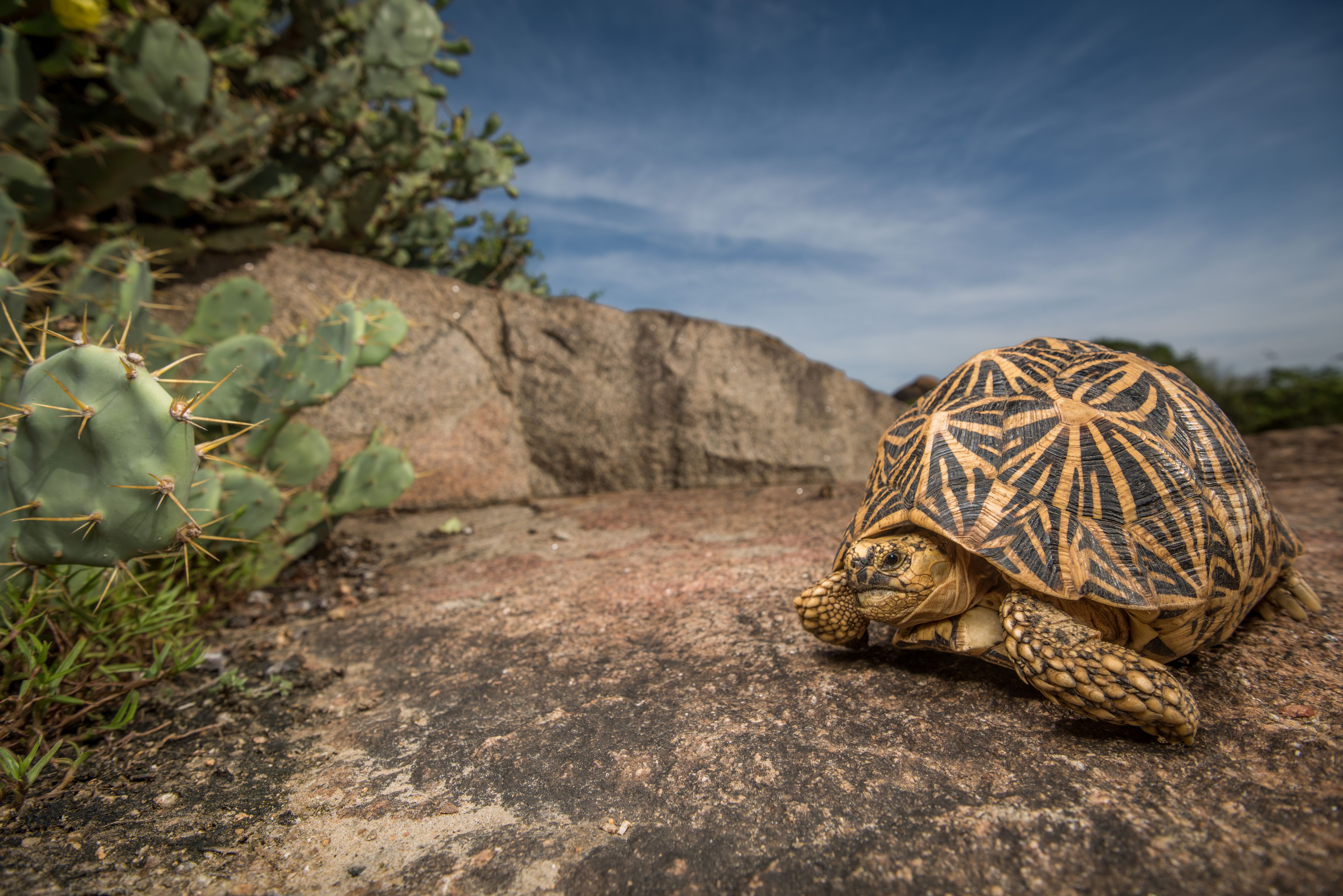
The beautiful Indian star tortoise gets its name from…well, you can see. Those stars on each plate of its shell help it stay camouflaged in dry, grassy areas across India, Pakistan, and Sri Lanka. Their fancy looks have also made them stars of the pet trade. So popular, in fact, that the international sale of wild Indian star tortoises was banned in 2019. Still, even today, law enforcement officers regularly intercept illegal shipments of hundreds at a time—sometimes a thousand or more. To keep Indian star tortoises from becoming endangered, conservationists say stronger enforcement of the international trade ban is essential.
|
|
|
|
Strange, but true
Think of an animal, and there’s almost certainly someone, somewhere, smuggling it. Even ants. On March 17, two men were arrested in Kenya where one was found with hundreds of live ants in tubes at the Nairobi airport, almost certainly destined for the pet trade. This wasn’t the first such arrest, in Kenya and elsewhere around the world—ant keeping has boomed as a hobby in recent years. While a small subset of collectors seek out the rarest species, most people involved in the hobby are young and have no criminal intentions, Wired reports.
|
|
|
|
Like this newsletter? Share it!
|
|
|
|
|
|
|
|
Double your support
The Bloomberg Ocean Fund has awarded WIRE a $208,000 matching grant to support our oceans reporting—an opportunity to significantly expand investigative coverage of ocean exploitation, environmental crime, illegal fishing, and the pressures facing marine ecosystems at a critical moment.
Help us unlock the full match. Make a gift today to support rigorous journalism about the world’s oceans—and double your impact while the match window remains open.
|
|
|
|
|
|
|
|
|
Wildlife Investigative Reporters & Editors
Independent, nonprofit journalism exposing wildlife crime and exploitation of nature.
Get in touch: [email protected]
|
|
You received this email because you signed up on our website or made a donation.
|
|
|
|
|
|